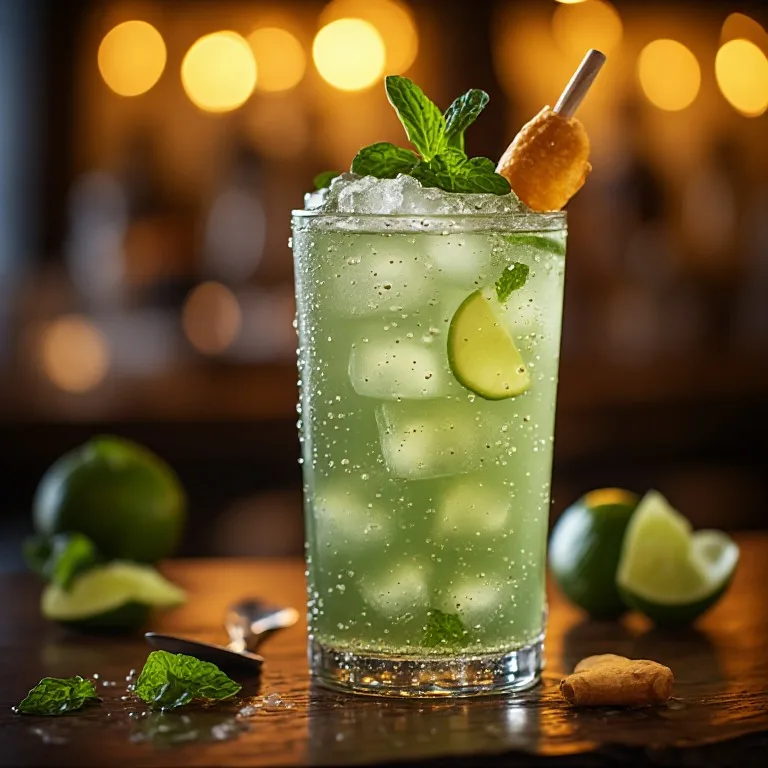
Audrey Saunders is one of the bartenders who shaped the modern cocktail revival. Her bar, the Pegu Club on West Houston Street in SoHo, opened in 2005 and quickly became famous for serious gin drinks. Its signature was the Gin-Gin Mule, a drink she had created a few years earlier.
The Story
Saunders created the Gin-Gin Mule around 2000 while running the bar program at Beacon, a restaurant in Midtown Manhattan. At the time, vodka dominated American bars and gin was considered old-fashioned. She wanted a gin drink that people who didn’t think they liked gin would order. She combined the Mojito (rum, lime, mint, sugar, soda) with the Moscow Mule (vodka, lime, ginger beer) and used gin as the base.
When she opened the Pegu Club in 2005, the Gin-Gin Mule came with her. The bar trained many bartenders who went on to open their own famous bars. The Pegu Club closed in 2020, during the pandemic, and didn’t reopen. The drink is still widely made.
Saunders’ Spec
The recipe she published:
- 1 oz simple syrup
- ¾ oz fresh lime juice
- 2 mint sprigs (about 6 leaves), muddled
- 1¾ oz Tanqueray gin
- 1 oz homemade ginger beer
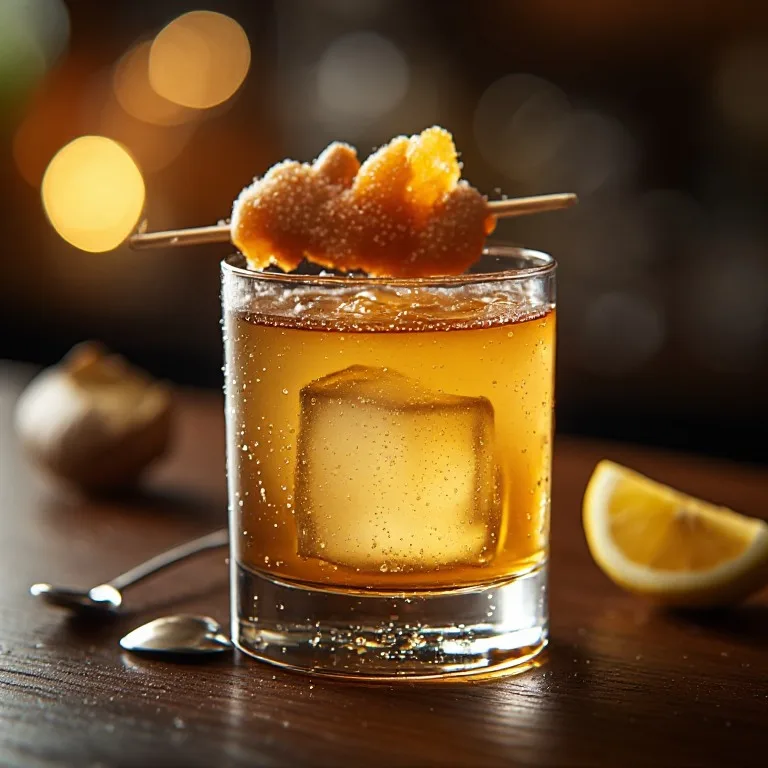
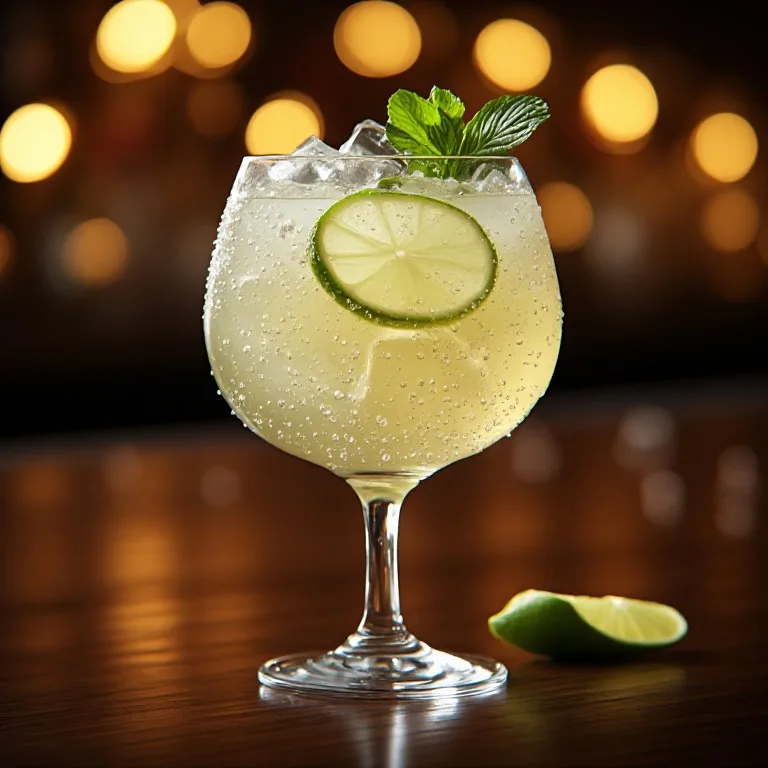
It’s shaken, strained over ice in a highball glass and garnished with mint and candied ginger. Note that the ginger beer is only one ounce — it’s an accent, not the main ingredient. That’s the biggest difference from a Moscow Mule.
Why the Copycats Miss
Most home versions treat this as a gin Moscow Mule: a shot of gin over ice with a can of ginger beer. That’s a different, weaker drink. The Gin-Gin Mule is a shaken sour with mint, with a small amount of ginger beer on top.
The other common issue is mild ginger beer. Saunders’ homemade ginger beer is spicy — closer to a strong ginger extract. Most bottled ginger ales are much too sweet and mild. If you’re buying it, choose a spicy one.
Over-muddling is the third mistake. Mint is delicate; tearing or grinding it releases bitter flavors. Press it lightly.
The Key Technique: Homemade Ginger Beer
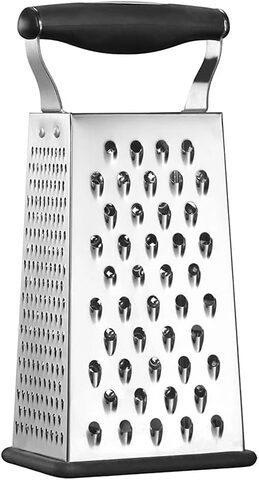
You don’t need to ferment anything. Grate fresh ginger finely, steep it in hot water for an hour, and strain it, pressing the ginger hard. Add a little brown sugar and lime. The result is spicy and only slightly sweet. Keep it in the fridge for up to a week.
Because it’s not fizzy, top the drink with a little soda if you want bubbles.
Making It for a Group
The mint is the hard part to scale. Instead of muddling each drink, make a mint syrup: blend simple syrup with mint leaves and strain. Mix that with gin and lime in a pitcher and refrigerate. Pour over ice and top each glass with ginger beer. The ratios are in the FAQ.
The Mocktail: Ginger Garden
A botanical zero-proof gin like Seedlip Garden 108 or Lyre’s Dry London Spirit keeps the herbal note. Since there’s no alcohol to provide warmth, double the ginger beer — the ginger’s heat does the same job. Keep the mint and lime the same.
Choosing the Gin
Saunders’ choice of Tanqueray was deliberate. Strong, juniper-forward London dry gins hold their own against mint, lime and ginger. Tanqueray (47.3% ABV in the US), Beefeater and Fords are all good choices.
Softer, floral or citrus-heavy ‘new western’ gins tend to disappear in this drink. If that’s what you have, increase the gin to 2 oz and cut the syrup slightly.
Fresh mint makes a big difference. Use spearmint (the common grocery-store mint), choose bright green leaves without dark spots, and store it in a glass of water in the fridge like a bouquet.
Enjoy responsibly — must be 21+.