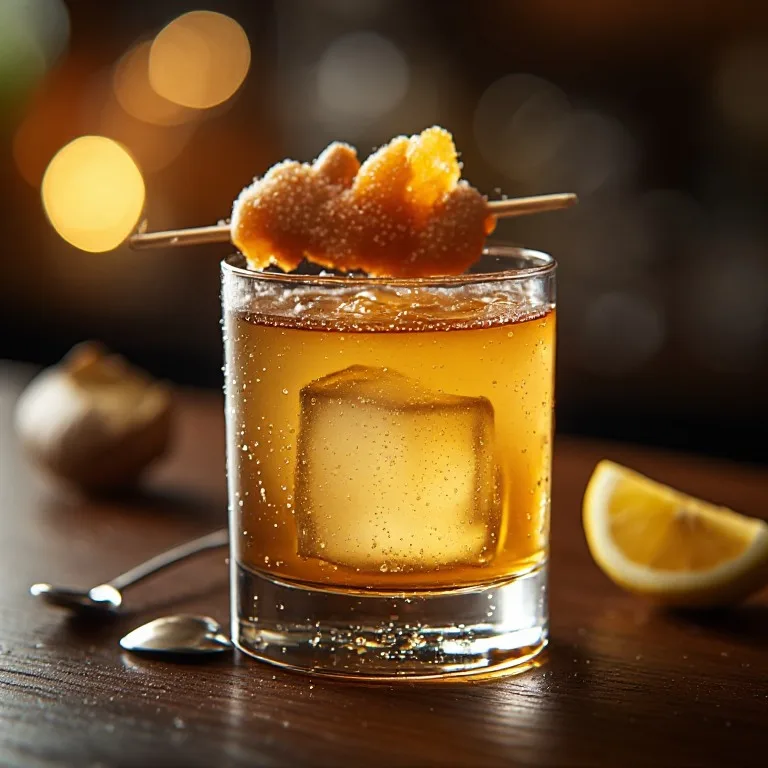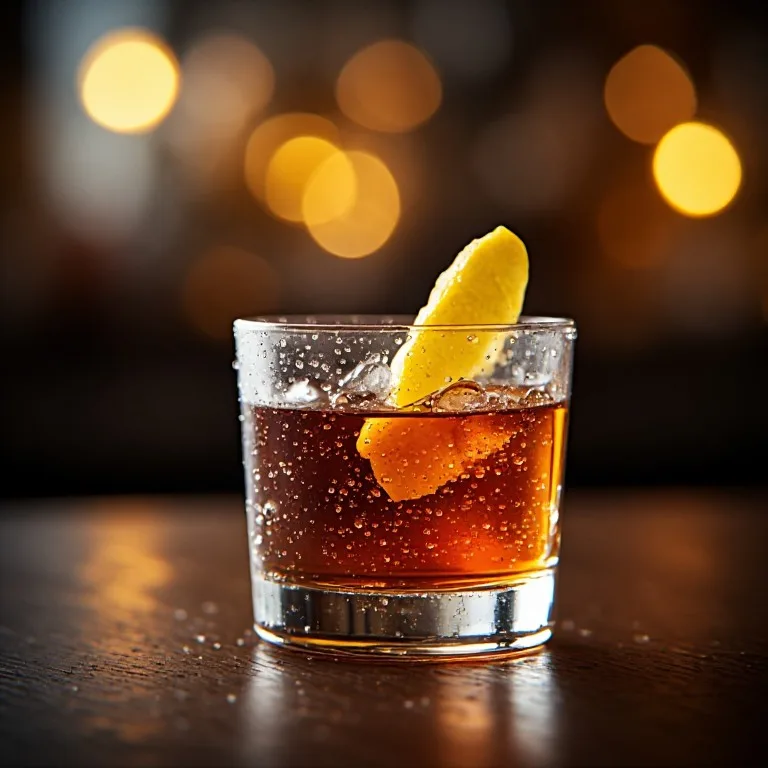
The Sazerac Bar sits just off the lobby of the Roosevelt Hotel in New Orleans, a few blocks from the French Quarter. It’s a long Art Deco room with walnut paneling and murals of the city by Paul Ninas, and the drink it’s named for is the most New Orleans cocktail there is. The bar didn’t invent it, but this is where most people go to drink it.
What the Sazerac Bar Serves
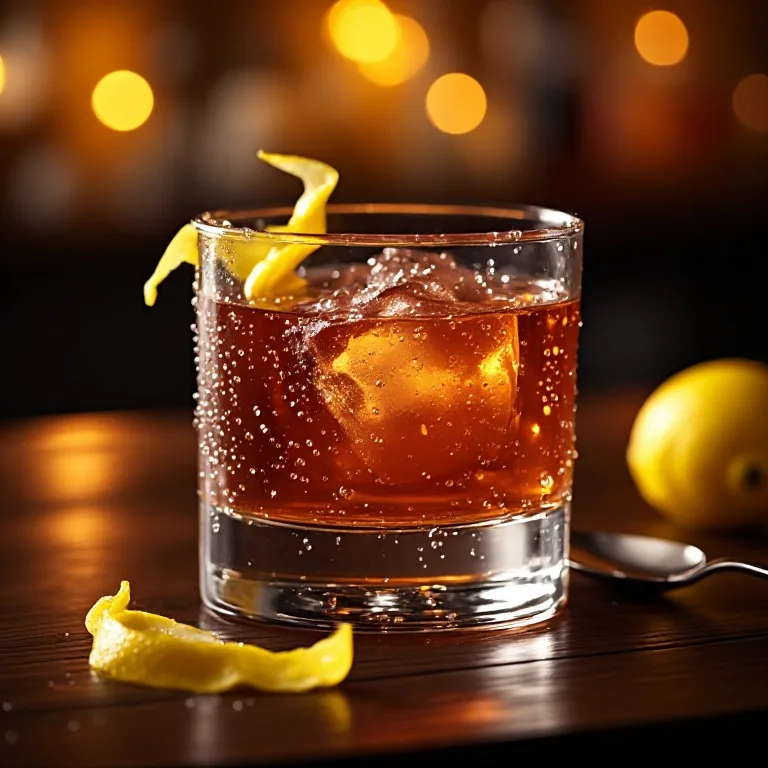
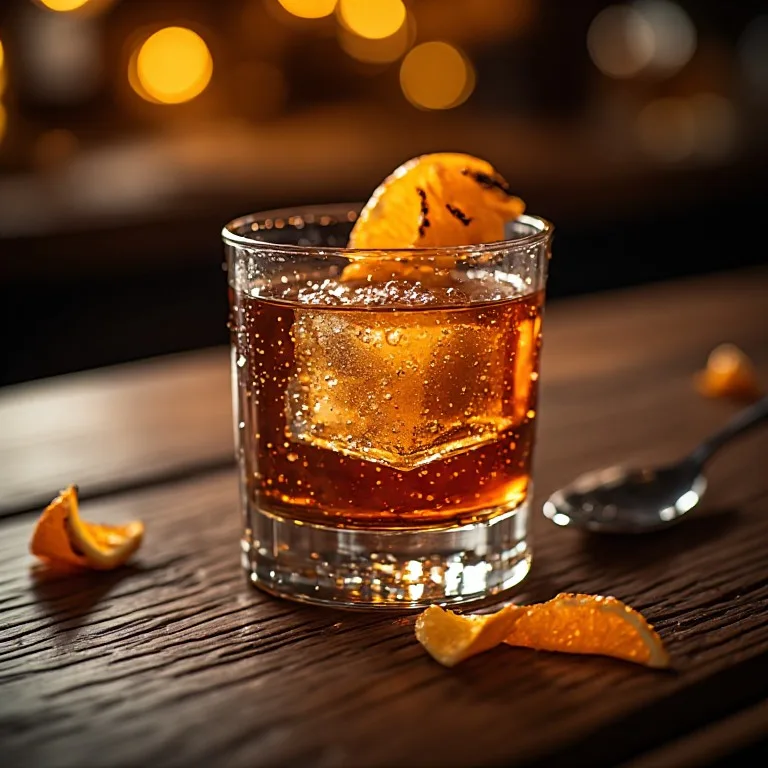
The house Sazerac is stirred and strong: Sazerac rye, sugar, Peychaud’s bitters and a lemon peel, served neat in a chilled glass coated with a thin film of Herbsaint. It’s the color of rust, smells of anise and lemon, and tastes of spicy rye with a soft sweetness.
Reports in recent years put the price at around $20. The bar has also offered special high-end versions made with rare whiskeys for anniversaries.
The Real History (and the Myths)
The Sazerac’s history is a mix of fact and New Orleans storytelling.
Fact: In the mid-1800s, the Sazerac Coffee House on Exchange Alley served a cocktail made with Sazerac-de-Forge et Fils cognac and Peychaud’s bitters. Antoine Amédée Peychaud was a real French Quarter apothecary who made a bright red, anise-scented bitters.
Myth: The idea that Peychaud invented the word ‘cocktail’ by serving brandy in an egg cup called a coquetier. The word ‘cocktail’ was in print in the early 1800s, before Peychaud’s bitters existed.
Fact: In the late 1800s, a pest called phylloxera wiped out much of France’s vineyards. Cognac became scarce, and bartenders switched to American rye whiskey.
Fact: When absinthe was banned in the US in 1912, New Orleans bartenders used other anise liqueurs. In 1934, Herbsaint was created locally and became the standard rinse.
Fact: The Roosevelt Hotel (which was the Grunewald until 1923) opened its Sazerac Bar in 1949 after acquiring rights to the name. In 2008, the Louisiana legislature named the Sazerac New Orleans’ official cocktail.
So the Roosevelt is the drink’s best-known home, not where it was invented.
Why Copycats Go Wrong
- Too much absinthe. The rinse should leave only a thin coating. Too much and the drink tastes like licorice.
- Serving it on the rocks. A Sazerac is served cold and neat. Ice dilutes it and dulls the aroma.
- Using only Angostura. Peychaud’s is essential. It’s lighter, fruitier and more floral, with anise and cherry notes that echo the rinse. Many bartenders add one dash of Angostura as well, which is fine.
- Bourbon instead of rye. Bourbon makes a sweeter, softer drink. Rye’s peppery spice is what defines a Sazerac.
The Key Technique: Two Glasses
A Sazerac uses two glasses. One is chilled with ice water, then rinsed with Herbsaint. The other is for mixing the drink with ice. You strain the cold drink into the empty, rinsed glass. Bartenders sometimes toss the glass in the air while swirling the Herbsaint, but a quick swirl is all you need.
Finish by twisting a lemon peel over the drink to spray its oils. The Roosevelt usually discards the peel, because leaving it in the glass can make the drink too lemony as you sip.
Batching
Spirit-only drinks like the Sazerac batch well. Combine rye, syrup, bitters and water for dilution in a bottle and keep it in the freezer. Rinse each glass and add a lemon peel when serving.
The Mocktail: Exchange Alley
Peychaud’s bitters are about 35% alcohol, so the mocktail rebuilds its flavor: a teaspoon of tart cherry juice for fruit and color, and a pinch of nutmeg for spice. A drop of anise extract swirled in the glass replaces the Herbsaint, and a zero-proof whiskey alternative supplies body. Express a lemon peel over it and it smells right.
Enjoy responsibly — must be 21+.