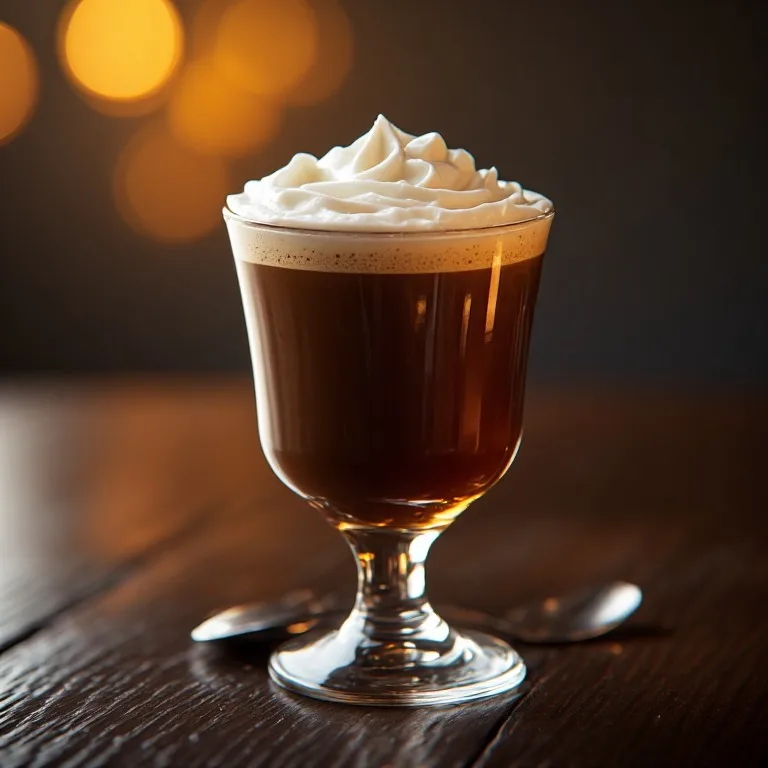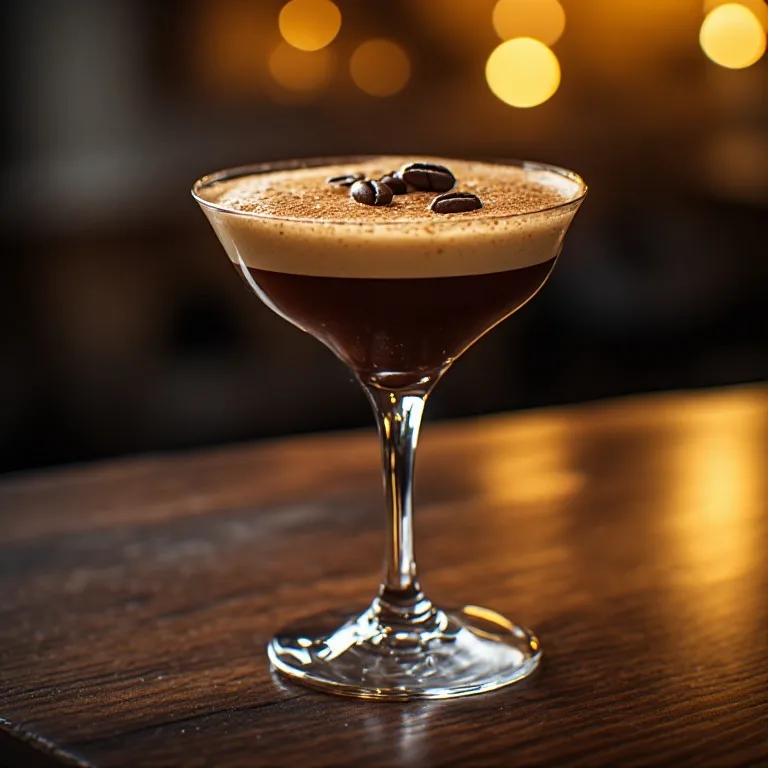
The Espresso Martini is the most popular drink to come out of the London bar scene of the 1980s. It’s sweet, strong, caffeinated and great-looking, with a thick cream-colored foam on top. It’s also one of the most disputed origin stories in modern cocktails.
The Bradsell Story
Dick Bradsell was one of London’s most influential bartenders, credited with several modern classics, including the Bramble. The most common story is that in 1983, while working at the Soho Brasserie on Old Compton Street, he was asked by a famous model for a drink that would, in her words, wake her up and then keep the party going. The espresso machine was right next to the bar, so he combined vodka, fresh espresso, coffee liqueur and sugar.
He reportedly called it the Vodka Espresso, and served it over ice.
Why It’s Disputed
The story has problems, and the facts are uncertain:
- The venue and year. The Soho Brasserie in 1983 is the most common version, but Bradsell has also said, in interviews, that he made it at Fred’s Club in the late 1980s.
- The model. Kate Moss and Naomi Campbell are both named often, but both were children in 1983. Some people suggest it was someone else.
- The name. It moved from ‘Vodka Espresso’ to ‘Pharmaceutical Stimulant’ (at Pharmacy, a London bar in the late 1990s) to ‘Espresso Martini.’
What’s not disputed is that Bradsell created it. The Soho Brasserie closed long ago, and Bradsell died in 2016.
Why Most Espresso Martinis Disappoint
The main problems are flat, thin drinks with no foam, or ones that are too sweet. Both have the same causes:
- Old or cold coffee. Brewed coffee from the morning, or refrigerated espresso, doesn’t foam well.
- Too much coffee liqueur. It’s sweet. Half an ounce is enough when combined with simple syrup.
- A weak shake. The foam comes from shaking hard enough to whip air into the espresso.
The Key Technique: Fresh Espresso, Hard Shake
Pull the espresso just before you shake. Pour it hot into the shaker with the other ingredients and plenty of ice. Shake as hard as you can for 15 seconds. Then double-strain through a fine sieve into a chilled coupe. Ice chips break up the foam, so double-straining matters. Let it settle for 10 seconds and you’ll see a clean, thick layer of crema.
The three coffee beans on top are a tradition said to represent health, wealth and happiness.
Batching for a Party
You can’t batch the espresso without losing foam, but you can batch everything else. Mix the vodka, coffee liqueur and syrup in a bottle. When it’s time to serve, pull espresso, add 2½ oz of the batch to the shaker, and shake. If you don’t have an espresso machine, cold-brew concentrate works, though the foam is thinner.
The Mocktail: Wide Awake
Without vodka, the drink needs extra body. Use a double espresso, a rich demerara syrup and a couple of drops of vanilla. A zero-proof coffee liqueur like Lyre’s Coffee Originale works too. Shake just as hard — the foam comes from the espresso, not the alcohol, so the alcohol-free version looks the same.
No Espresso Machine?
You can still make a good Espresso Martini without a machine. A moka pot makes strong, concentrated coffee that foams well. An AeroPress with a fine grind and less water also works. Instant espresso powder (like Medaglia d’Oro), dissolved in a small amount of hot water at double strength, makes a surprisingly good foam because it dissolves completely.
Cold-brew concentrate is convenient and works for batches, but its lower oil content means less foam. Shake it extra hard.
Regular drip coffee is too weak and makes a thin, watery drink.
Enjoy responsibly — must be 21+.