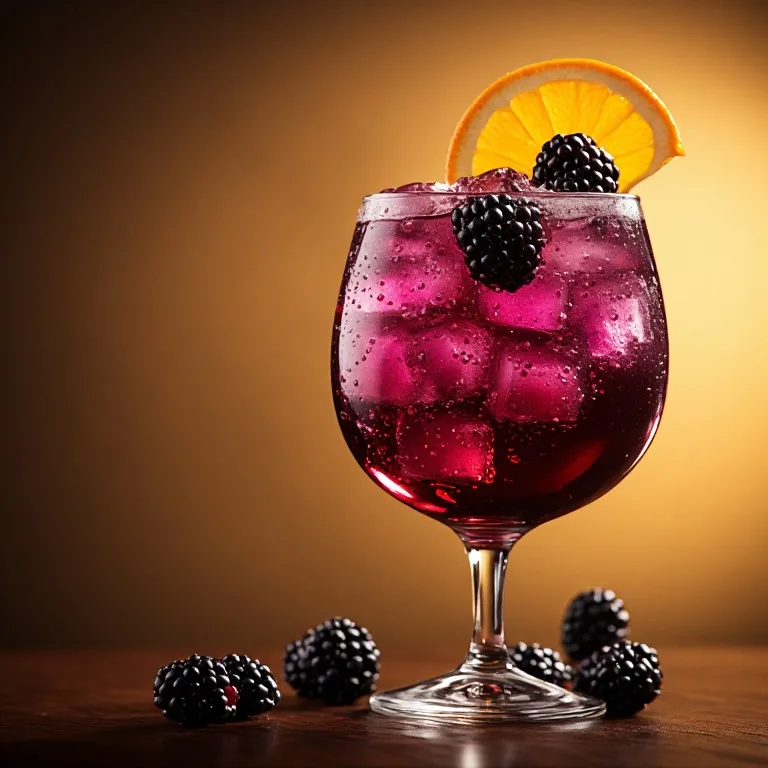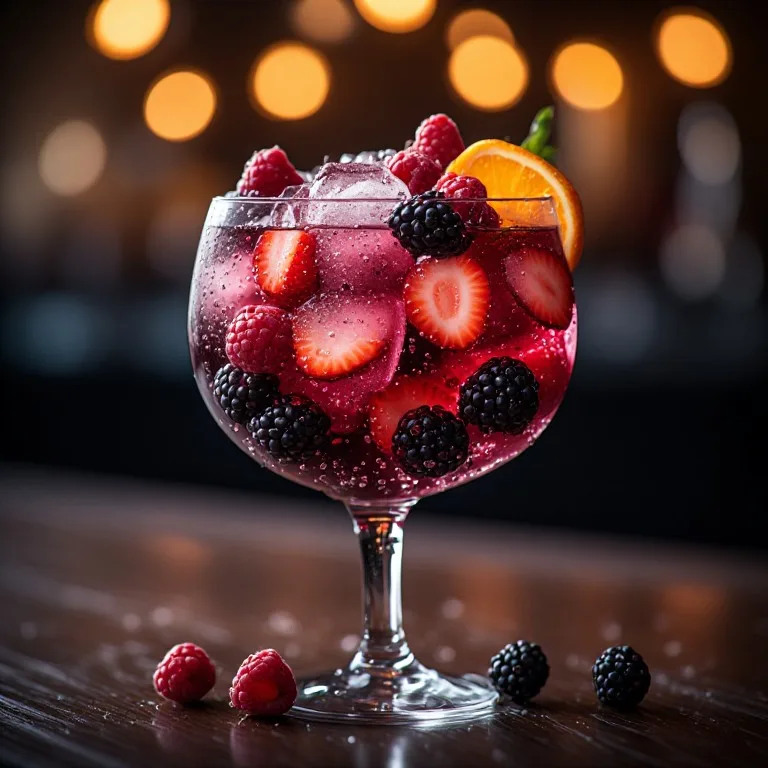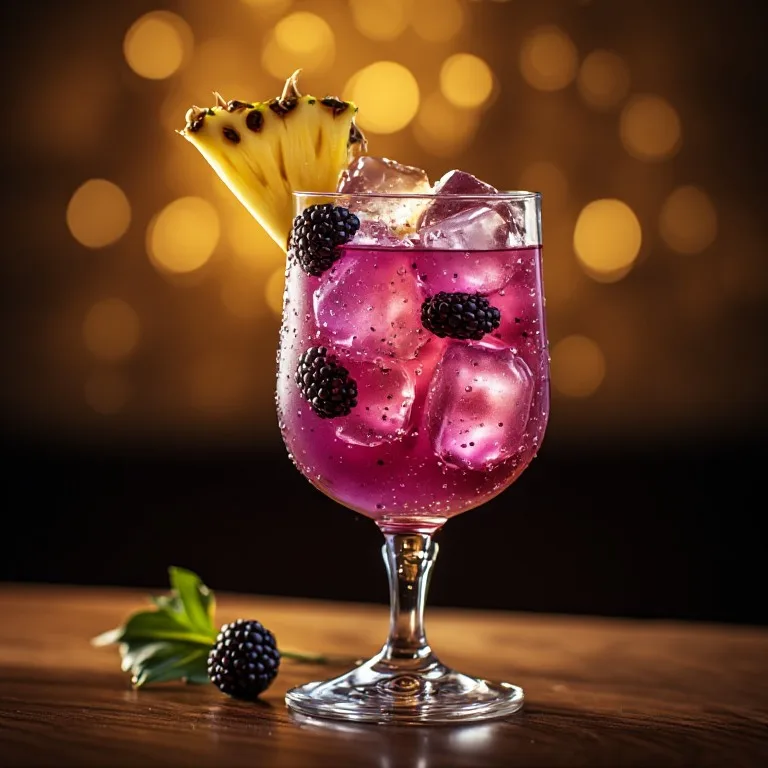
A 2023 menu lists the Blackberry Sangria as a short, cold, purple-pink glass, not a pitcher of red wine with orange slices. The printed drink is sweet Moscato, raspberry vodka, blackberry flavor and pineapple juice. It drinks more like a fruit cocktail than like the sangria on a Spanish bar.
What Outback serves (per the posted menu)
Outback’s US bar has carried more than one drink with sangria in the name, and they are not interchangeable.
The blackberry version is the one with a paper trail. A 2023 print menu calls it Jacob’s Creek Moscato, New Amsterdam raspberry vodka, blackberry flavor and pineapple juice, and it prints 220 calories next to a $7.99 price. A nutrition file from that period matches the calories and adds 28 grams of carbohydrate and 24 grams of sugar for an individual glass. That is a sweet, modest drink, in the same calorie neighborhood as a lot of the chain’s other cocktails, and well under a giant frozen margarita.
A location menu associated with an Orlando restaurant, updated in the scrape as January 2026, still lists a Blackberry Sangria, with one change that matters: Finlandia raspberry vodka instead of New Amsterdam. Treat those vodka brands as examples the chain has used, not as a permanent recipe. Moscato, raspberry vodka, blackberry and pineapple are the stable part.
Strawberry Peach Sangria is the other one guests remember. A 2025 menu proof lists Malibu pineapple rum, Sutter Home white zinfandel, pineapple juice, strawberries and peaches, at 270 calories. If the glass you remember was pale pink and peachy, that is the one, and it is not this recipe.
Two more sangrias sit off to the side. An older nutrition sheet includes a Classic Red Sangria marked regional, about 210 calories, with no published ingredient list. Australian Outback menus list an Outback Sangria of red wine and brandy with mango syrup, apple, pineapple and orange juice. That is a different drink. This recipe does not add brandy to imitate it.
A November 2026 national price is not confirmed, and the $7.99 figure is from 2023. Look at the local list. The US print used here does not say the drink is shaken. Shaking is still the right home move, because warm Moscato and pineapple taste flat.
Why typical copycats fail
The search results for “Outback sangria” tend to hand you a red-wine pitcher: cabernet, brandy, chopped fruit, an afternoon in the fridge. That is a normal sangria. It is not what this menu item is. Outback’s blackberry glass is built on sweet Moscato, which is lower in alcohol and much sweeter than a table red. Swap in a dry red and the pineapple starts to fight the tannin.
The second miss is blackberry liqueur by the ounce. The menu says blackberry flavor, and the posted sugar is 24 grams in the whole glass, not a dessert pour of crème de mûre. A few muddled berries, or a half ounce of syrup, is the scale that fits those numbers.
The third miss is too much vodka. One ounce of raspberry vodka is enough to put a perfume on the wine. Two ounces and you have a vodka drink that happens to contain Moscato. The chain’s calorie count also argues against a heavy spirit pour. Straight spirits are calorie-dense, and 220 calories does not leave room for a double plus sweet wine plus juice.
The key technique: muddle, then shake cold
Put four blackberries in the shaker with a quarter ounce of simple syrup and press them once or twice. You want juice and color. If you grind the seeds, the drink turns bitter at the end. If you do not have decent berries, use a half ounce of blackberry syrup and skip the fruit in the tin. Syrup is probably closer to “blackberry flavor” from a bar gun. Fresh fruit tastes cleaner.
Moscato goes in next, then the vodka, then pineapple juice. Fill with ice and shake until the tin frosts, about eight seconds. Strain over new ice. Shaking with the serving ice and then dumping the whole tin into the glass leaves you with shards and a watery last sip.
Taste the pineapple juice before you commit. Some bottled pineapple is very sweet. If yours is, drop the simple syrup. The 2023 nutrition is already at 24 grams of sugar, and this copycat lands in that range only when you do not add syrup on top of a sweet juice and a sweet wine.
A pineapple wedge is a home finish. It was not on the ingredient line in the menus checked.
A pitcher for eight
A full 750 ml bottle of Moscato is roughly 25 ounces, which is about eight of these 3-ounce pours.
Stir together in a pitcher:
- 1 bottle (750 ml) sweet Moscato
- 8 oz (240 ml) raspberry vodka
- 16 oz (480 ml) pineapple juice
- 2 oz (60 ml) blackberry syrup, or 1 cup lightly crushed blackberries
Chill for at least an hour and up to overnight. If you used fresh berries, strain them out before the second day so the seeds do not take over. Do not add ice to the pitcher.
To serve, pour about 6 1/2 oz (190 ml) into a shaker with ice, shake, and strain into an ice-filled wine glass. That extra shake is what makes the pitcher taste like the single drink. Soda does not belong in this batch. The restaurant glass is not a spritz.
For a Thanksgiving table or a game-day cooler, keep a second pitcher of the mocktail. Same fruit, no bottles. Label them. Sweet Moscato does not smell strongly of alcohol, and the two pitchers look alike.
The mocktail
White grape juice is the stand-in for Moscato because it is sweet and grapey without pretending to be wine. Muddle the same four blackberries, shake them with grape juice, pineapple juice and a half ounce of lime, then strain over ice and top with a short splash of soda water. The lime is doing the job the vodka’s sharpness did in the original. Without it, the mocktail tastes like a children’s juice blend.
A non-alcoholic Moscato you already like can replace the grape juice ounce for ounce. Those bottles vary, so the spec stays with grape juice.
See all Outback copycat drinks →