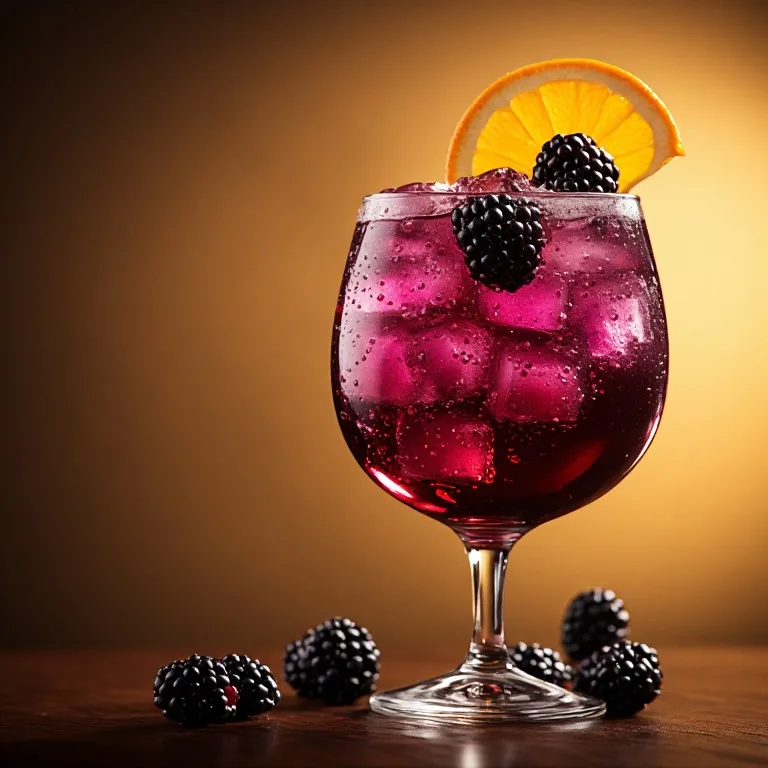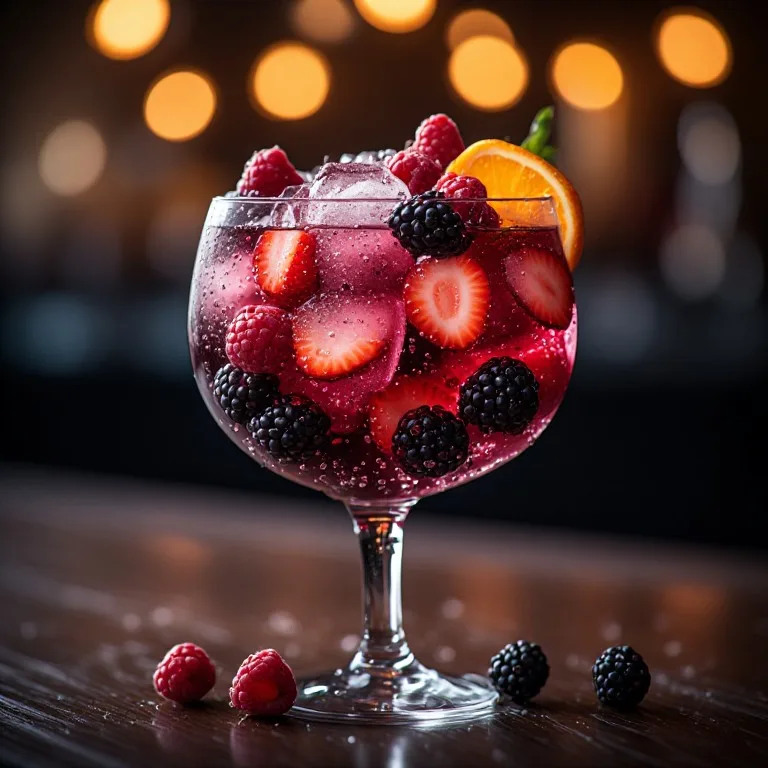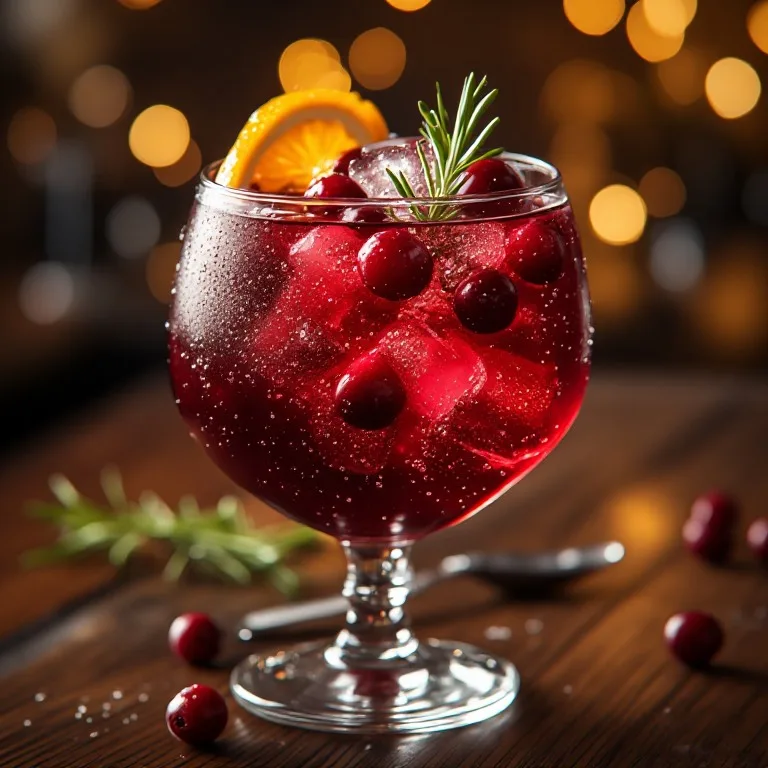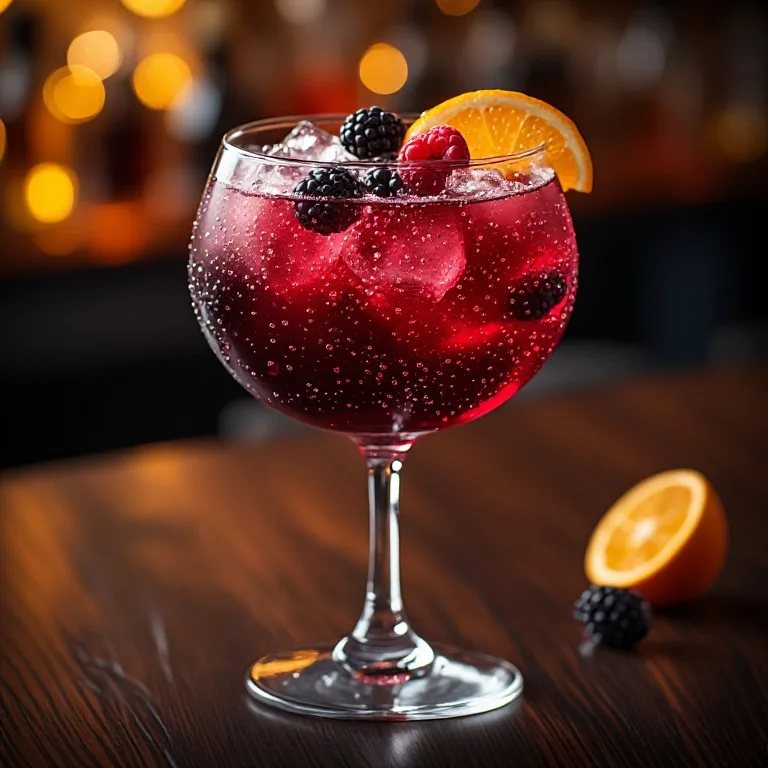
California Pizza Kitchen built its mid-2010s brand refresh partly around sangria. The chain introduced a sangria program in 2016 that it described as lighter and fresher than the heavy, syrup-based pitchers most chains were still pouring. The Red-Berry Sangria — their red wine version — made cognac the brandy component and used blackberry and raspberry rather than a uniform citrus punch.
No chain restaurant publishes jigger measurements. What is known comes from the menu ingredient list, a 2016 industry feature and a third-party calorie estimate. The build below works backward from those disclosures into a home recipe that keeps cognac in its proper role: the structural element, not the highlight.
What California Pizza Kitchen Serves
CPK’s menu (confirmed approximately six months before this writing) lists Rémy Martin VSOP, blackberry, raspberry, cranberry juice and lemonade over a red wine base. A 2016 trade report named Monin blackberry syrup and Perfect Purée raspberry as the specific products at that time. That detail is old enough that the recipe may have changed. The nutrition database figure of 270 calories is an estimate, not an official CPK figure.
The drink sits in CPK’s cocktail section alongside a rosé sangria and other large-format pours. At some locations it is available as a pitcher. The national price is not on any public menu found for this recipe. A 2025 Foxwoods location menu showed only the rosé version, which suggests the red may rotate seasonally or vary by market.
If you are going to CPK specifically for this drink, confirm availability before you go.
Why Typical Copycats Make It Too Sweet
The common mistake is treating sangria as a fruit punch with wine poured in. That approach fails CPK’s version for two reasons.
First, the cognac disappears. Rémy VSOP has a soft stone-fruit and caramel note that shows only when the other sweet elements are kept in proportion. Pour heavy blackberry syrup and double the cranberry juice, and you will not taste the cognac at all. The 3/4 oz measure below is enough to anchor the drink without competing with the wine.
Second, the lemon is treated as optional. Lemon juice is the structural element that keeps berry sangria from tasting like syrup. The 2016 description specifically separated the cognac’s sweetness from the sour component. Use real lemon, not lime, and not more lemonade. The lemonade in CPK’s description is a sweetening mechanism; the fresh lemon juice in this recipe does that work more cleanly.
The Key Technique: Layer the Wine, Don’t Shake It
Sangria should not be shaken or aggressively stirred. The goal is integration without oxidation, which means brief contact between the juice components and then a gentle pour of the wine over the top.
Build the fruit, the cognac, the liqueur and the lemon in the glass over a full load of ice. Stir once to combine. Then pour the wine down the back of a bar spoon so it falls onto the ice rather than crashing through the juice layer. One slow stir from the bottom is enough. The cognac and the wine will find each other without help.
Serve in a large wine glass or a goblet. The volume requires room for ice and fruit. A 12 oz balloon glass is the right starting point.
A Pitcher for Thanksgiving or the Holidays
For eight glasses, combine 24 oz (720 ml) dry red wine, 6 oz (180 ml) Rémy VSOP, 4 oz (120 ml) blackberry liqueur, 4 oz (120 ml) raspberry puree, 8 oz (240 ml) cranberry juice and 6 oz (180 ml) fresh lemon juice. Stir and refrigerate for at least two hours, up to overnight. The fruit flavors develop and the cognac blends into the base. Hold the ice.
At the table, pour over ice glass by glass. Never add ice to the pitcher — a wet, diluted pitcher will be watery by the second round. For a Thanksgiving table, the deep red color and berry aroma carry well before a heavy meal.
The Red-Berry Sangria Mocktail
Dealcoholized red wine is the right base; soda water does not carry the tannin structure that makes sangria feel like a wine drink. Use 4 oz of a dealcoholized red. Replace the cognac’s volume with extra blackberry syrup and a small splash of sparkling water at the end. The raspberry puree, cranberry juice and lemon stay the same. The result is a full glass with the right color and enough tartness to feel like the real drink.
The cocktail version is about 1.3 standard drinks despite feeling lighter than a straight pour of wine. The berry flavors mask the alcohol. Serve food with it and don’t free-pour into a large glass and call it one drink.