Pin It

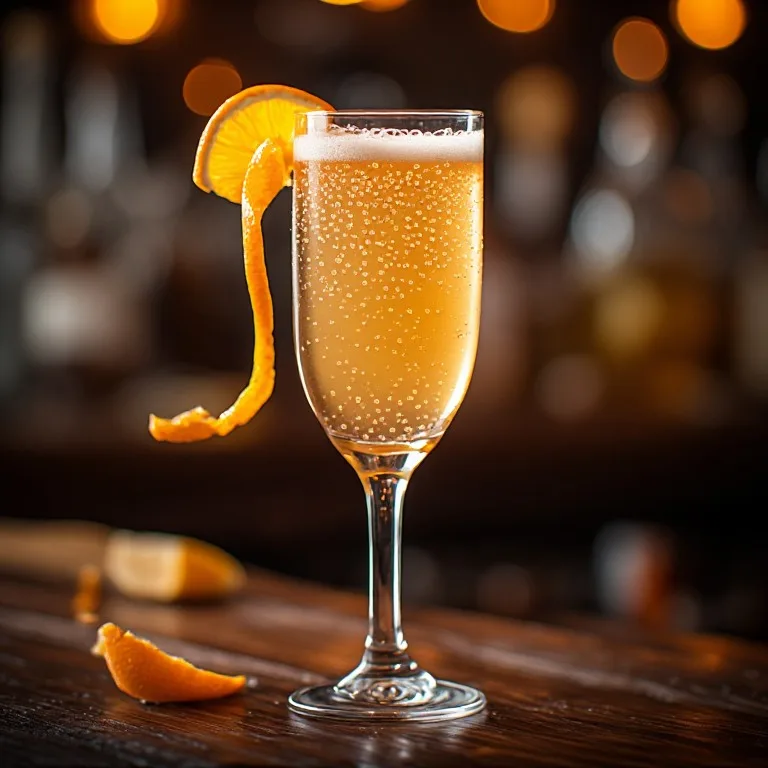
Buck's Fizz: Two Parts Cold Champagne, One Part Fresh Orange

More like this: CPK's Red-Berry Sangria: Wine, Cognac, Blackberry, and Lemon, Spiced Cranberry Sangria: A Pitcher Full of Holiday Flavor, Parmesan Espresso Martini: The Salty 2023 Viral Cocktail, Pomegranate Mule: A Jewel-Red Holiday Highball, and The Hotel Métropole Black Russian: Vodka and Coffee, Nothing Else.

Last updated November 7, 2026

Buck's Fizz: Two Parts Cold Champagne, One Part Fresh Orange
The specLight
Spirit
Wine
Glass
Flute
Method
Built
Garnish
Orange twist
ABV (est.)
~8%
Standard drinks
0.8

1 US standard drink = 0.6 oz (14 g) pure alcohol. Estimates assume normal dilution.Make it a mocktail →

Jump to Recipe
Prep 3 min Serves 1 cocktail

Buck's Fizz: Two Parts Cold Champagne, One Part Fresh Orange

A 2:1 Champagne and orange-juice Buck's Fizz from London's Buck's Club in 1921, plus a zero-proof flute. The full club recipe was never published.

Easy Prep: 3 min1 cocktail servings ~$1.05/serving
Prep3 min
Servings
1

Is it cheaper to make at home?

At home~$1.05/serving
vs
Restaurant~$4.72/serving
You save ~78%

What's the story behind this drink?

A 2:1 Champagne and orange-juice Buck's Fizz from London's Buck's Club in 1921, plus a zero-proof flute. The full club recipe was never published.

Nutrition Facts

Per serving (1 cocktail servings)
Calories125
Total Fat0g
Total Carbs15g
Dietary Fiber0g
Sugars13g
Protein0g
Sodium5mg

* Estimated values based on standard recipe preparation. Actual values may vary.

Ingredients

Instructions

What makes this work?

💡
Pro tip: Chill your glass and use fresh citrus squeezed the same day. Taste before you pour; a few drops of lime or simple syrup fixes most balance issues.
❄️
Batching: Mix everything except ice and bubbles up to a day ahead and keep it in the fridge. Shake or stir each drink with ice to order. Fresh citrus is best within 24 hours.
Make it a mocktail · zero proof

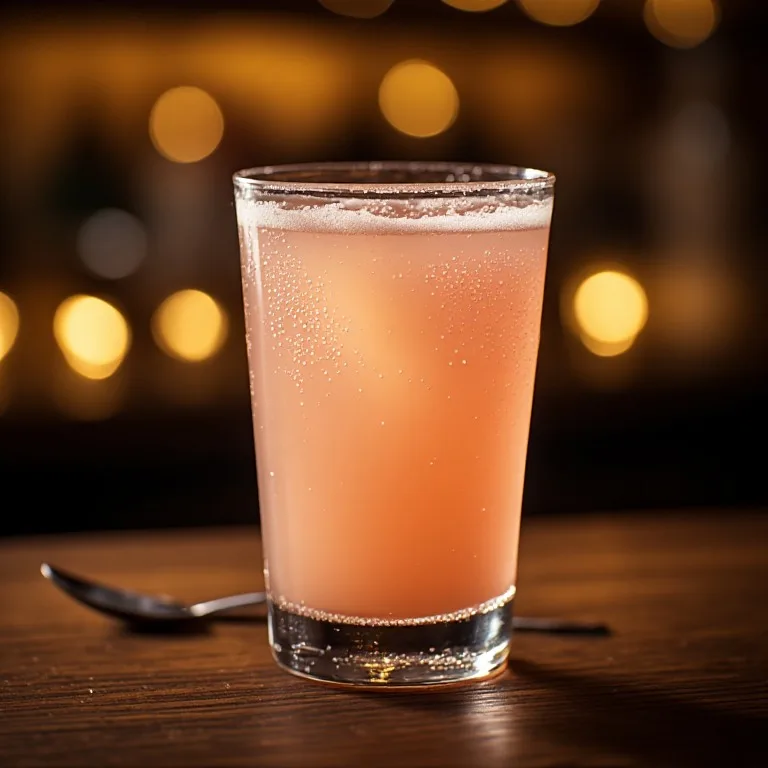
Buck's Fizz Mocktail

Fresh orange juice stays at one third of the glass. A dry 0.0% sparkling wine replaces Champagne so the drink stays tart instead of turning into a fruit soda.

Ingredients

  • 2 oz (60 ml) fresh orange juice, chilled
  • 4 oz (120 ml) chilled 0.0% sparkling wine
  • 1 orange twist, for garnish

Steps

  1. Juice first. Pour the cold orange juice into a chilled flute.
  2. Add bubbles slowly. Top with the 0.0% sparkling wine, poured down the side.
  3. Stir once. One gentle turn, then the orange twist.

About 55 calories per drink · 0% ABV

Free PDF: The Copycat Bar Book. 75 copycat cocktails, each with a zero-proof version.

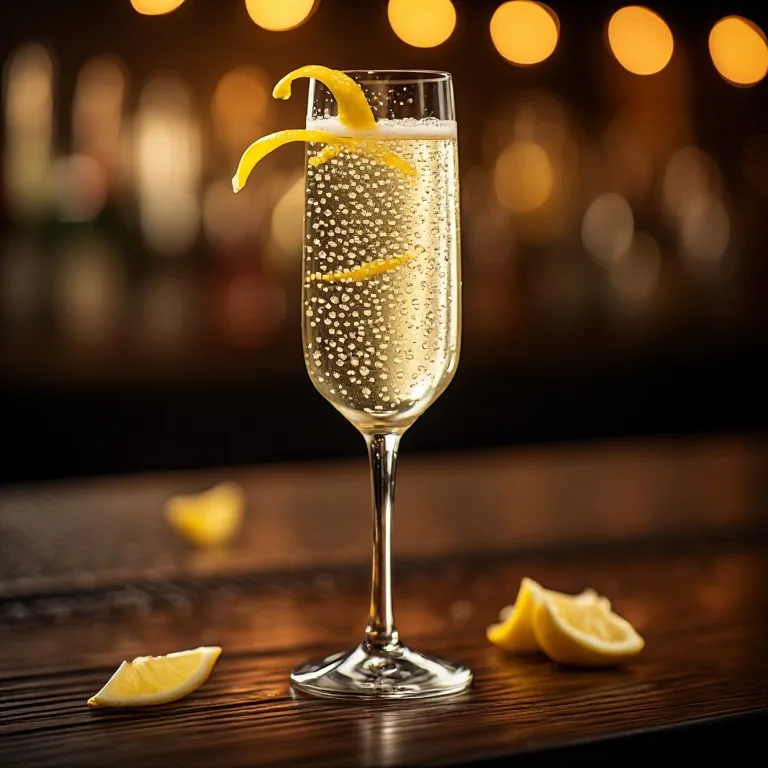
Buck’s Fizz is the drier orange-and-bubbles drink: about two parts cold Champagne to one part fresh orange juice, poured in that order and stirred once. London’s Buck’s Club is where bartender Malachi McGarry is said to have made it in 1921, a couple of years after the club opened its American Bar in Mayfair. The club still exists, as a private members’ room rather than a bar you can wander into. The full original recipe, if it held more than wine and juice, was never published. The glass below is the ratio the rest of the world has actually been able to copy.

In Britain the drink belongs to Christmas breakfast, weddings and New Year’s morning. In the United States in November, it is a clean brunch pour before a Thanksgiving meal that will not stay light. Use fresh juice. The wine should be the thing you taste.

What Buck’s Club Put on the Bar

Captain Herbert John Buckmaster and fellow cavalry officers opened Buck’s at 18 Clifford Street in June 1919, with an American-style cocktail bar. Malachi McGarry, also called Pat, and sometimes spelled Malachy or MacGarry, ran that bar from 1919 into the early 1940s. The drink dated to 1921 is the one that left the building. P. G. Wodehouse borrowed the club’s atmosphere for the Drones Club.

The public pattern is specific enough to mix from. One part orange juice, two parts Champagne, juice first, wine second, one gentle stir, and an orange twist if you want the oil. Equal parts is a different breakfast, and it is the habit that turned the name into a synonym for a mimosa.

What the club may have added is the gap. Accounts say the bartenders kept extra ingredients to themselves. Drinks historians Anistatia Miller and Jared Brown have pointed to a 1950s formula, sometimes called Champagne Buck, with a splash of gin and cherry brandy. Older home recipes sometimes drop grenadine in the glass. None of that arrives with a 1921 measurement. This recipe leaves it out. A barspoon of gin is a later riff, and you should say so if you add one.

The club is still a private members’ club at the same address. No public price was found, and non-members should not expect a walk-in list. The public ratio is what can be copied. The members’ glass, if it still differs, is not on paper.

Why a Mimosa Misses It, and Why Grenadine Often Does Too

Equal parts is the miss you meet most often. A flute half full of orange juice, topped with warm prosecco, is a mimosa. Four ounces of brut against two ounces of juice keeps the wine in front.

The juice is the next miss. Pourable orange drink from a jug tastes cooked and oily, and it pushes people to add more wine just to escape it. Squeeze the oranges, strain the pips, and chill the juice. Sweet fruit does not need sugar on top. Sour fruit is closer to a morning glass that stays light.

Grenadine treated as required is the third miss. A teaspoon in the bottom makes a sunrise and a sweeter drink. It is a later decoration. Skip it until you have tasted the 2:1 pour plain.

Warm service ruins more of these than a wrong bottle. Juice, wine and glass all need to be cold. Pour the wine last, down a spoon or the tilted wall of the flute, so it does not erupt and then collapse flat.

The Key Technique: One Third Juice, Then the Wine

Use a flute you know. Two ounces of juice should come about a third of the way up. If your flute is enormous, stop at 2 oz anyway and use 4 oz of wine. Do not “fill a third” of a souvenir glass and then lose the ratio. Measure once until your eye learns that flute.

Brut Champagne is traditional. Another dry sparkling wine is a fair stand-in if it is actually dry. Extra-dry, in Champagne language, is sweeter than brut. Taste the wine alone before you commit a pitcher. Sweet prosecco plus juice tastes like orange soda.

Stir once. You are joining two densities, not beating a sauce. Express an orange peel over the foam. A wheel dropped into the glass bumps the rim and dumps juice into the wine in a lump.

Frank Meier’s 1936 book prints a mimosa from the juice of half an orange, which can run sweeter or drier than 2 oz depending on the fruit. Measure. The Harry’s Bar Bellini is the peach cousin, with the same fear of warm wine.

A Brunch Pitcher for Six

Chill 12 oz (360 ml) fresh orange juice in a pitcher. That is the juice for six drinks at 2 oz each. Keep one 750 ml bottle of brut cold. A 750 ml bottle is about 25 oz, and six drinks at 4 oz need 24 oz, so one bottle is the right size.

When people sit down, pour the wine into the juice, stir once, and fill cold flutes. If the table is not ready, leave the bottle corked. Sparkling wine waiting in a pitcher is flat by the time the eggs are plated. Each flute is about 0.8 standard drinks, which is why a second round at New Year’s breakfast adds up quietly.

Thanksgiving uses the same numbers. Squeeze the juice the same morning. Oxidized orange juice tastes metallic under Champagne. Two hours cold is fine. Overnight is not. A 1/4 oz splash of gin is the 1950s riff, and it is a different, stronger drink. It is not required.

The Buck’s Fizz Mocktail

Keep the juice at 2 oz and the bubbles at 4 oz. A sparkling wine marked 0.0% is the replacement that still tastes like a toast. Pour juice, then wine, then one stir, then the twist. The calories land near 55, almost all from the orange.

Sparkling water is the fallback and a lesser drink. Use a brut-style 0.0% bottle if anyone at the table is comparing it with the real pour. Read the label. A “nonalcoholic sparkling wine” can still contain a trace of alcohol, and a “sparkling juice” can be a sweet soda with a wine-shaped bottle. The cocktail version is light, at about 0.8 standard drinks, which is how a breakfast table accidentally becomes three drinks. The orange juice is not a shield.
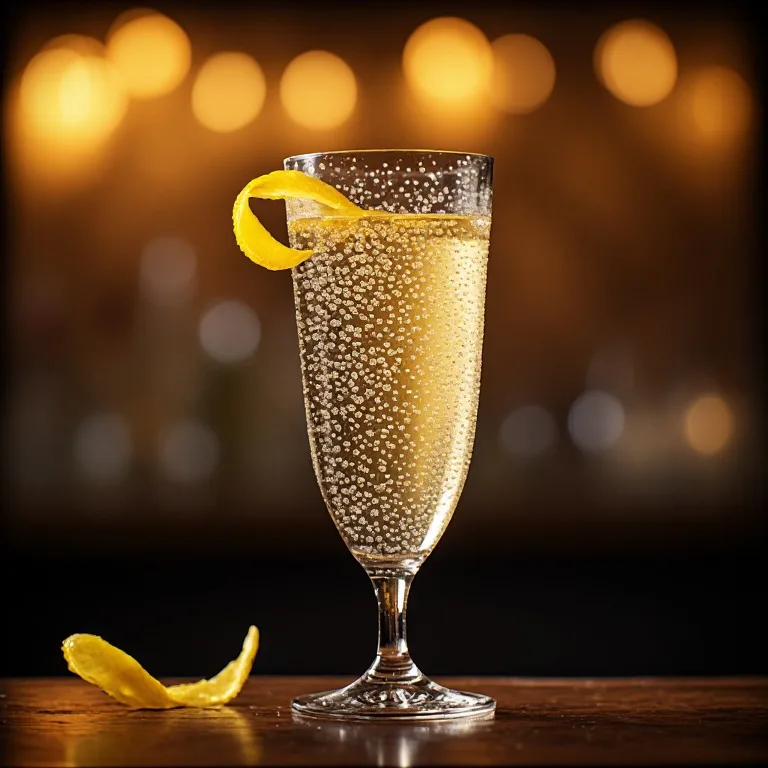
Enjoy responsibly. Must be 21+. One US standard drink is about 0.6 fl oz of pure alcohol (National Institute on Alcohol Abuse and Alcoholism: What Is a Standard Drink?).

Sources

Free · Personalized PDF · BetaAdd Buck's Fizz: Two Parts Cold Champagne, One Part Fresh Orange to your free custom bar bookLoved this one? Start a personalized PDF bar book of your favorite copycat cocktails (mocktail versions included) — we build it and email it to you, free while in beta.Add this recipe →

What equipment do you need?

Champagne flute

Shows the juice-to-wine proportion and keeps a narrow column of bubbles

Jigger

Stops the orange juice at one third of the drink

Bar spoon

Lets the wine slide in without a volcano of foam

Citrus peeler

Cuts a twist from the orange you just juiced

Common questions

What is in a Buck's Fizz?

The public recipe is sparkling wine and orange juice, about two parts wine to one part juice. Buck's Club has not published a full original formula. Later written variations sometimes add grenadine, a splash of gin or cherry brandy. Those are not confirmed 1921 measurements, so they are left out of this glass.

Who created it, and where?

Buck's Club, at 18 Clifford Street in Mayfair, opened in 1919. Bartender Malachi McGarry, also called Pat, and sometimes spelled Malachy or MacGarry, is credited with the drink in 1921. He worked the club bar from 1919 into the early 1940s. The club is still a private members' club. A public price was not available.

How is Buck's Fizz different from a mimosa?

Buck's Fizz, in the ratio people repeat from the club era, is drier: more wine than juice. A mimosa is often equal parts, and its origin story points, uncertainly, at the Ritz in Paris a few years later. Some bartending lists treat the names as the same drink. This recipe keeps the 2:1 split so the two names mean something.

How strong is it?

Four ounces of sparkling wine at 12% ABV and two ounces of orange juice make about 0.8 US standard drinks and about 8% ABV. There is no ice to dilute it. A sweeter wine does not add alcohol. It adds sugar.

Is Buck's Fizz a Christmas drink?

In Britain it has a long habit at Christmas breakfast and at weddings, and it shows up on New Year's morning. For a November Thanksgiving brunch in the United States, the same 2:1 pour works beside eggs or before a heavy dinner. It is a light drink, not a punch.

Can I batch it?

Chill the orange juice in a pitcher. Add the wine at the last moment and stir once. One 750 ml bottle plus 12 oz of juice serves about six flutes.

What is the mocktail?

Keep the 2 oz of fresh orange juice and top with 4 oz of sparkling wine labeled 0.0%. Sparkling water is a backup. It will taste more like orange soda water than like a toast.

Free PDF · 75 cocktails · Zero-proof versions

Love this one? Get all 75 in the free Copycat Bar Book.

The 75 copycat cocktails people order most, chapters by spirit, with a zero-proof version of every drink. Free download.

Get the Bar Book →

Love this recipe? Share it!

Free PDF: The Copycat Bar Book. 75 copycat cocktails, each with a zero-proof version.

What do readers say?

—
No ratings yet

Rate this recipe

Click a star to rate

Leave a Review

0/500

AB

Ankit Bhasin

Every drink on Copycat Cocktail is researched against what the restaurant or bar actually serves, specced in ounces, and paired with a zero-proof mocktail version. Where history or specs are uncertain, we say so.

Learn more about our mission →