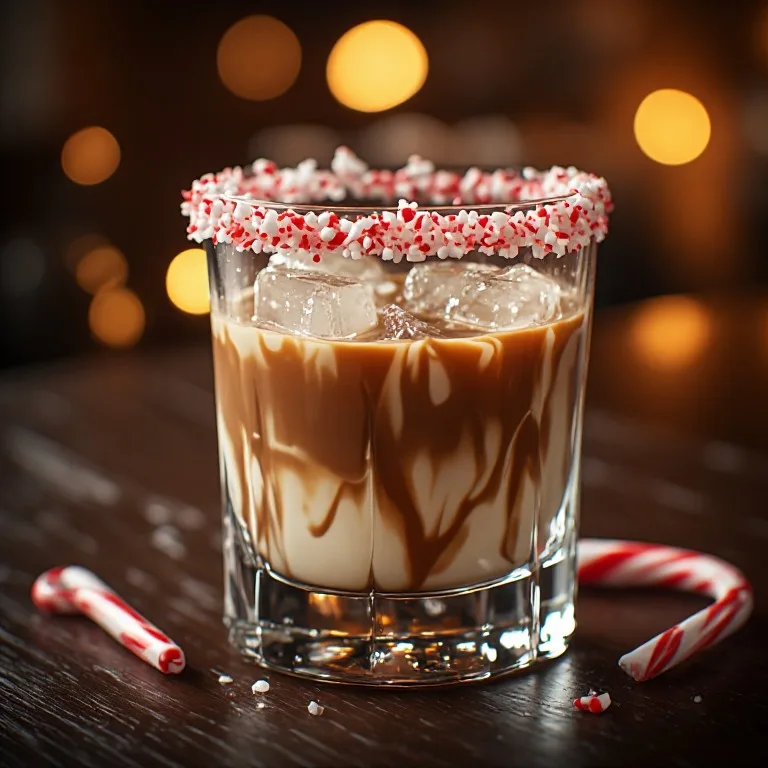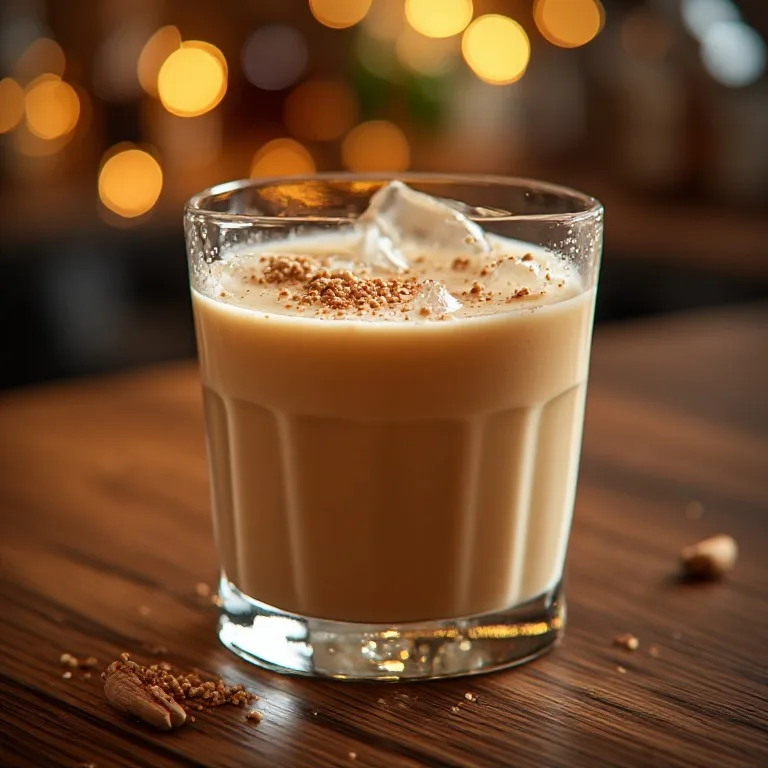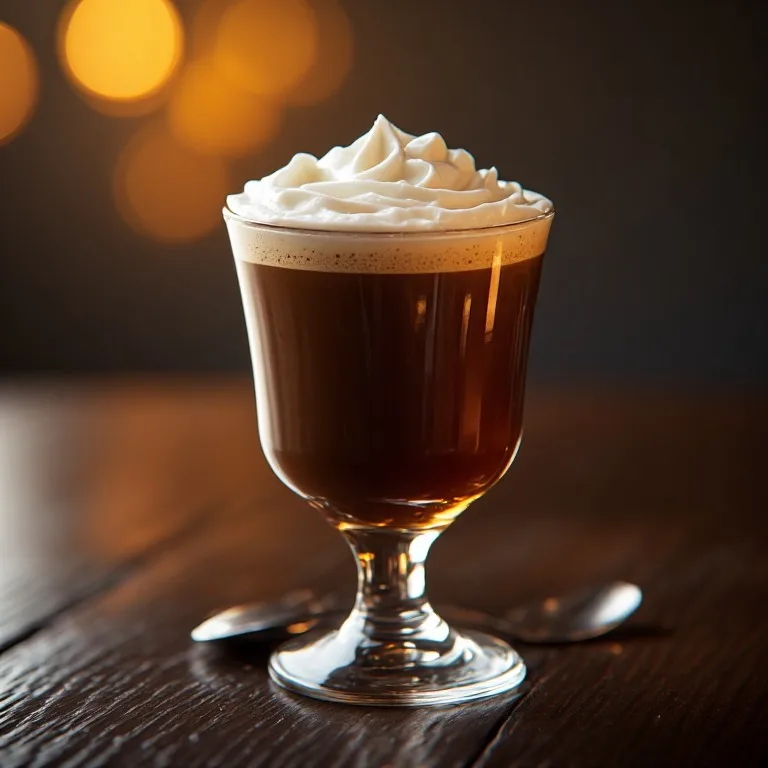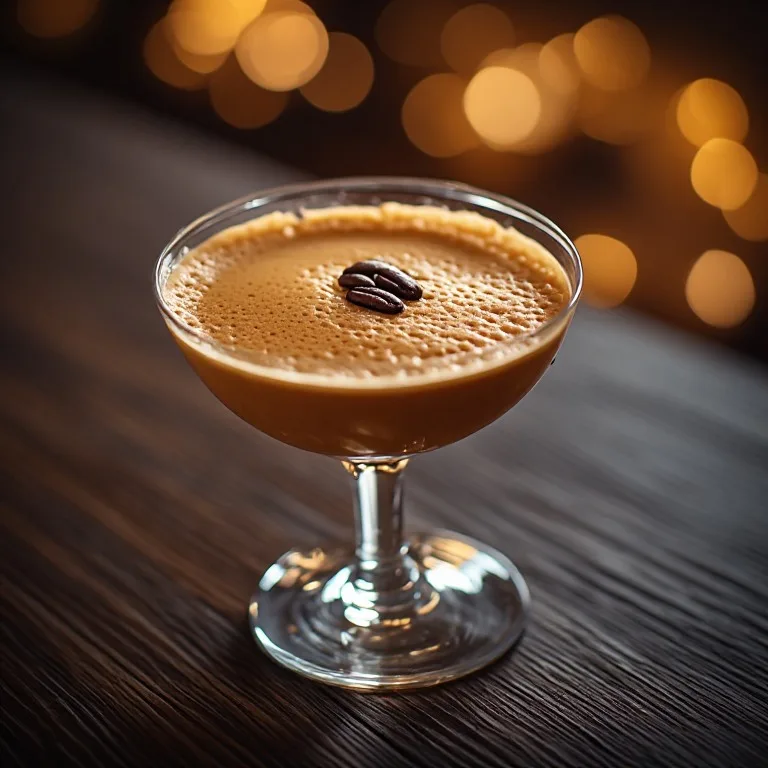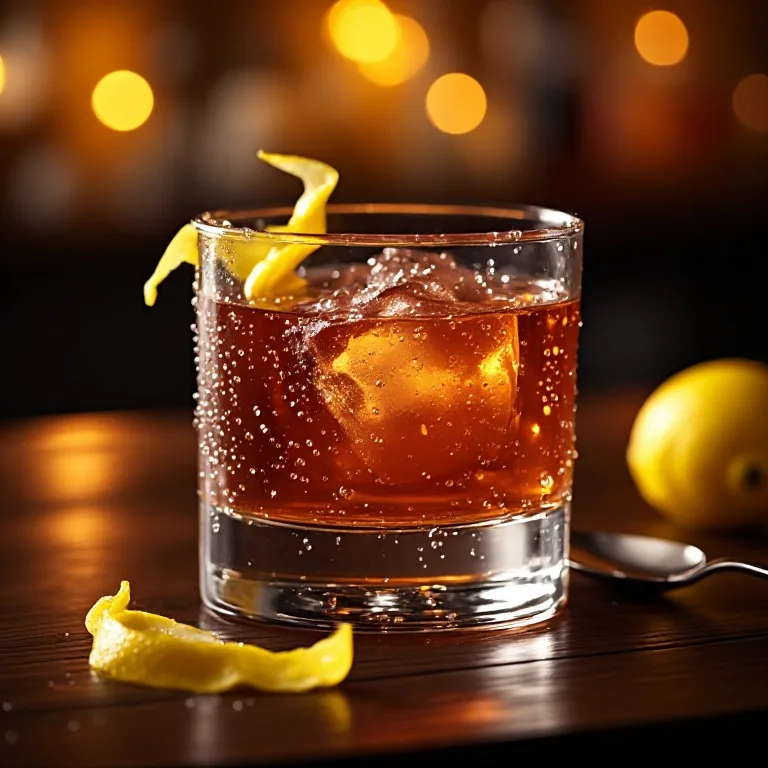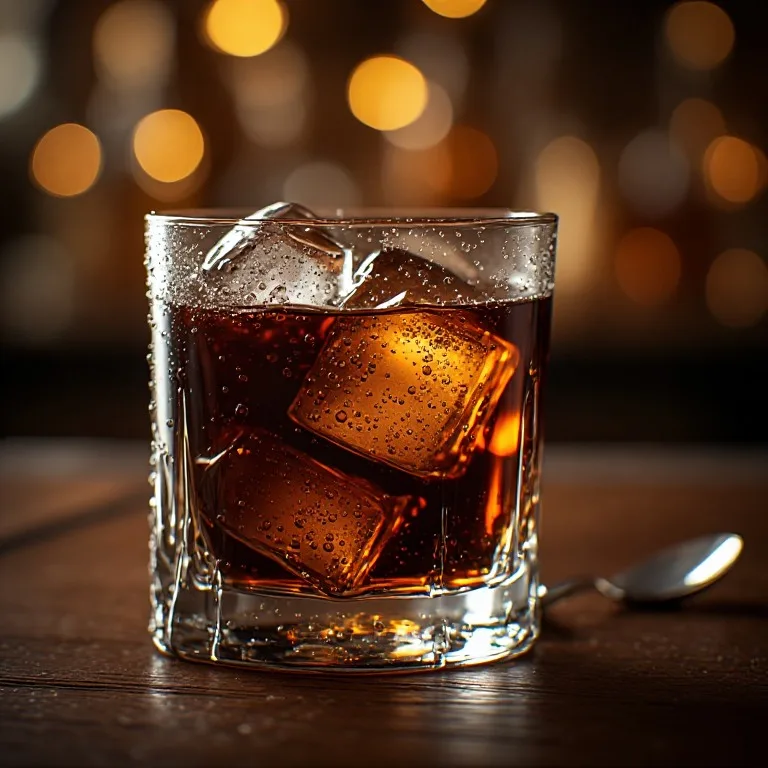
The Black Russian is a two-ingredient drink: vodka and coffee liqueur in a 2:1 ratio, over ice, in a rocks glass. That simplicity is the whole point and also the common failure — when a drink has nowhere to hide, every element matters.
The popular origin story places it at Hotel Métropole Brussels in 1949. Barman Gustave Tops supposedly created it for Perle Mesta, the U.S. Ambassador to Luxembourg. That account appears in Difford’s Guide, Wikipedia, VinePair and dozens of other references. It is also an account that lacks contemporary documentation, with the earliest known print reference appearing seven years later. Whether the story is precisely true or whether it accumulated detail over decades is an open question. The drink exists regardless.
What Hotel Métropole Actually Served
The Hotel Métropole Brussels was a five-star Belgian landmark that opened in the 1890s and drew visiting heads of state through most of the 20th century. By the late 1940s, the hotel’s bar was part of Brussels’ diplomatic social circuit, which is the credible setting for the Tops–Mesta story even if the exact date cannot be confirmed from primary sources. The hotel also hosted the 1911 Solvay Conference, where Einstein, Curie and Rutherford gathered to debate quantum theory.
The hotel closed permanently in 2020 after roughly 125 years. Restoration work began under new ownership; plans mentioned a 2026 reopening that had not been publicly confirmed as of this writing. The bar where Tops worked is no longer open. No current price exists.
What Tops created — if the story holds — was a 2:1 build of vodka and coffee liqueur over ice. No cream, no garnish, no secondary mixer. Kahlúa was not widely distributed in 1949 (the brand launched in Mexico in 1936 and expanded internationally through the 1950s), so the original coffee liqueur was likely a European product. The name reflected the drink’s dark color and the Cold War era’s reflexive associations with anything Soviet.
Why Typical Copycats Drown It
The most common mistake is treating a Black Russian as an excuse for more Kahlúa. Double the coffee liqueur, add a splash of cola or cream, pour over a tall glass of ice — and the vodka becomes an afterthought. That drink is not a Black Russian. It is a dessert in a glass.
The 2:1 ratio is the drink. At that proportion, the vodka provides the alcohol delivery and the neutral canvas; the coffee liqueur provides the flavor and the sweetness. Reverse the ratio and the drink becomes saccharine. Equal parts is flatter. 2:1 is sharp and correct.
The other failure is room-temperature spirits. A warm vodka over cold ice produces a half-diluted, slightly harsh drink in the first minute and a watery drink in the fifth. Both spirits should come from the freezer or refrigerator.
The Key Technique: Cold Glass, Cold Spirits, Big Ice
Chill the rocks glass in the freezer for 10 minutes before you need it. Pack it with large ice cubes — the kind made in a silicone tray, not pebbled ice from a bag. Add the coffee liqueur first (it is heavier and settles naturally), then pour the vodka down the back of a bar spoon. Stir once or twice. Serve.
That is the entire recipe. No shaker. No garnish. No presentation fuss. The drink’s elegance is in its directness.
If the glass is not chilled and the ice is small crushed ice, the first third of the drink is fine and the last third is cold, coffee-flavored water. Big ice, cold glass, cold spirits: a consistent drink from first sip to last.
A Batch Version
For six glasses, combine 12 oz (360 ml) vodka and 6 oz (180 ml) coffee liqueur in a pitcher and refrigerate overnight. At the table, build each drink individually over ice in a rocks glass. Pouring from a pre-mixed cold pitcher takes ten seconds per glass. Do not add ice to the pitcher; pour over ice in the serving glass.
The batch version is useful for a dinner where you want to offer guests a uniform drink on arrival. It is also forgiving — the ratio is locked in advance and no one is measuring while also attending to other things.
The Black Russian Mocktail
Seedlip Spice 94 is the best non-alcoholic stand-in for a neutral vodka in a coffee drink. It has a dry, warming character from cardamom and bark that keeps the drink from tasting simply like cold coffee. Cold brew coffee concentrate, sweetened with simple syrup to match Kahlúa’s sweetness level, is the coffee liqueur substitute. Build it the same way: coffee concentrate and syrup first, NA spirit over the top, one stir.
Ritual Zero Proof Whiskey Alternative works as a substitution for the Seedlip if that is what you have. The result will be slightly warmer and more vanilla-forward — a small departure from the original but still recognizable.
This cocktail contains approximately 1.7 standard drinks in a small-looking 3-oz glass. It does not smell strongly of alcohol, which makes the actual strength easy to underestimate. Eat before you drink it.