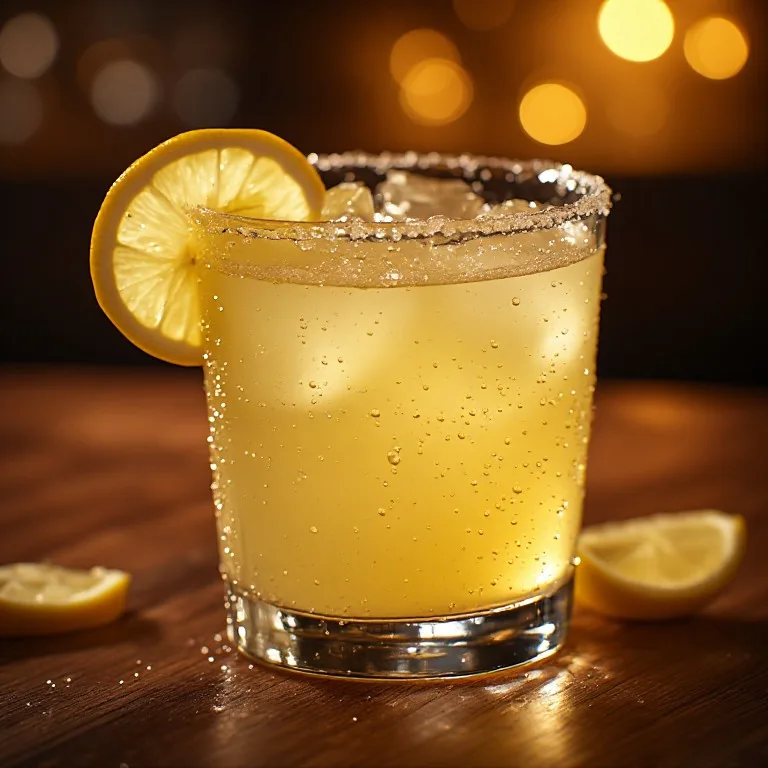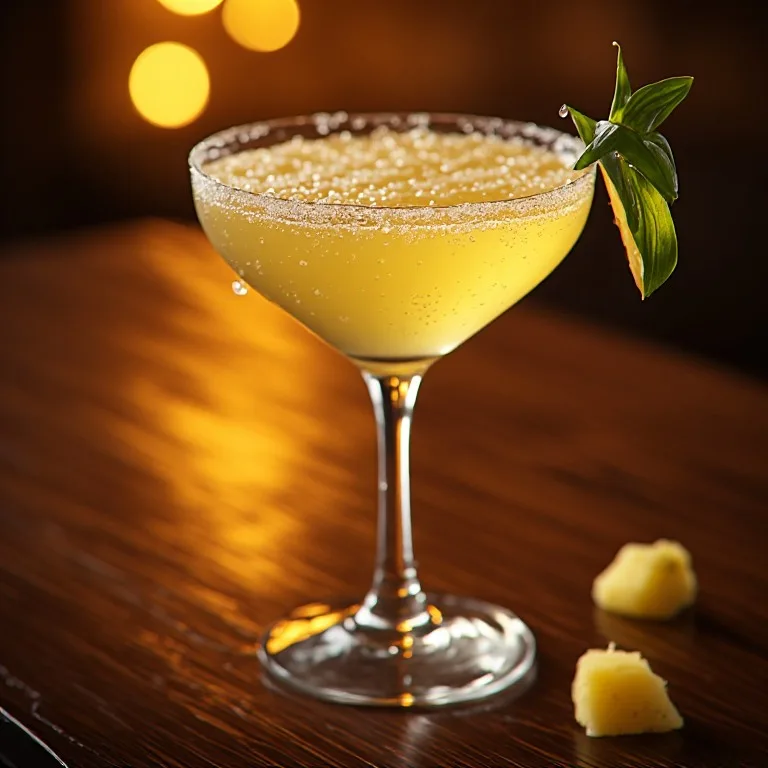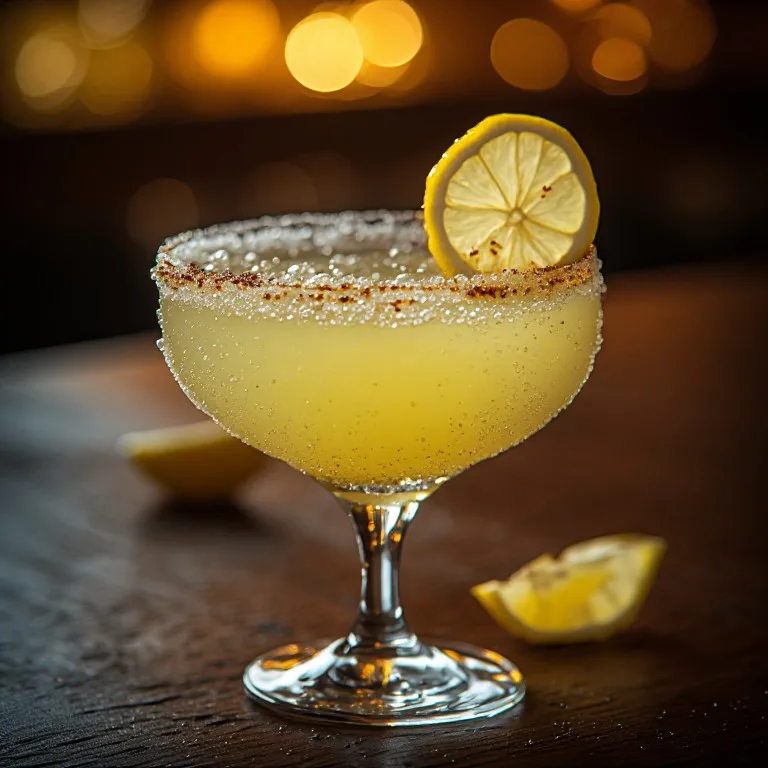
Carrabba’s Limoncello Martini is built around three kinds of lemon flavor. Limoncello gives it sweet peel and perfume. House-made sweet-and-sour brings fresh acidity. The brûléed lemon wheel adds caramelized sugar and the lightly bitter edge of heated citrus.
That garnish is what separates it from a basic vodka-limoncello sour served in a stemmed glass. It looks dramatic, but it also changes the aroma at the rim. The drink reaches your nose through toasted sugar before the cold lemon cocktail reaches your palate.
What Carrabba’s Actually Serves
Carrabba’s official 2026 fall page describes the limited-time drink as vodka, limoncello and house-made sweet-and-sour, served with a brûléed lemon wheel. Current location pages in several states were still promoting the fall cocktail on November 8. Carrabba’s is well known for making its own limoncello in-restaurant, steeping hand-zested lemons in vodka.
The chain does not give the ounce measurements, brand names or a nationwide price. Carrabba’s explicitly says price and participation vary by restaurant, so treat any figure you see — typically low-teens dollars for a specialty cocktail — as one location’s reference, not a promise.
This recipe uses the disclosed components, with proportions chosen for a tart but recognizably restaurant-style martini. It is not presented as a leaked formula. Carrabba’s also does not identify a creator or exact launch date beyond the current limited-time fall campaign.
Why This Replaces the Pomegranate Martini
The backlog originally named Carrabba’s Pomegranate Martini. That drink was real. Older official menus describe Absolut Apeach vodka, pomegranate syrup, orange juice and a cherry, and list roughly 230 calories. What those menus do not establish is current 2026 availability.
Carrabba’s current official seasonal promotion features the Limoncello Martini instead. Because this project prioritizes drinks that guests can verify now, the recipe moved to the current fall feature rather than pretending the older Pomegranate Martini remains a national staple.
The distinction matters. Old menu PDFs can stay searchable for years after a drink leaves regular rotation. They are useful evidence that a cocktail existed, but not proof that a bartender can make it today.
Why Typical Limoncello Martinis Fail
Limoncello varies from bright and peel-driven to thick and candy-sweet. Pouring equal parts vodka and limoncello can make a heavy drink, especially after adding bottled sour mix. Keep the liqueur at three-quarters of an ounce and use a fresh sweet-and-sour blend.
The garnish can also go wrong. A thick lemon slice stays wet, so its sugar steams rather than caramelizes. Cut a thin wheel, remove the seeds, blot the top and apply only a light, even coat of superfine sugar. Let it cool before it touches the drink.
Never torch the garnish over the finished cocktail. High-proof alcohol and an open flame do not belong together. Caramelize the lemon on a heatproof tray, turn off the torch and move the cooled wheel to the glass afterward.
The Key Technique: Balance Peel, Juice and Caramel
Use a sweet-and-sour mix made from equal parts fresh lemon juice and simple syrup. That gives you control over both acid and sugar. If your limoncello is exceptionally sweet, make the sour with two parts lemon to one part syrup or reduce the limoncello slightly.
Pack the shaker with solid ice and shake for 12 to 15 seconds. Fine-straining removes lemon pulp and fractured ice, which keeps the served-up texture clean. A properly chilled coupe buys a few extra minutes before the drink warms.
Float the brûléed wheel only after it has cooled. If it sinks, clip it to the rim instead. The aroma matters more than forcing a perfect float.
Batch Six Martinis
Combine 9 oz (270 ml) vodka, 4 1/2 oz (135 ml) limoncello and 6 oz (180 ml) fresh sweet-and-sour mix. Cover and refrigerate for up to four hours. Longer storage dulls fresh citrus.
Measure 3 1/4 oz (97 ml) of batch per serving and shake it with ice. Strain into a chilled coupe and garnish. Shaking each portion gives the drink the dilution and cold temperature that a pitcher poured straight from the refrigerator cannot.
Prepare six lemon wheels up to an hour ahead. Caramelize them on a tray, let them cool and leave them uncovered. Refrigeration traps moisture and softens the sugar crust.
The Limoncello Martini Mocktail
The mocktail recreates lemon in layers without using alcohol. A 0.0% vodka alternative supplies a dry center. Alcohol-free lemon cordial brings peel and sweetness, fresh juice adds acidity, and one drop of orange-blossom water supplies the high floral note that limoncello normally carries.
Use the same safe garnish method and the same hard shake. Check every bottled alternative for a 0.0% label if complete alcohol avoidance matters. The finished drink should be cold, tart and fragrant, with caramelized citrus at the rim.