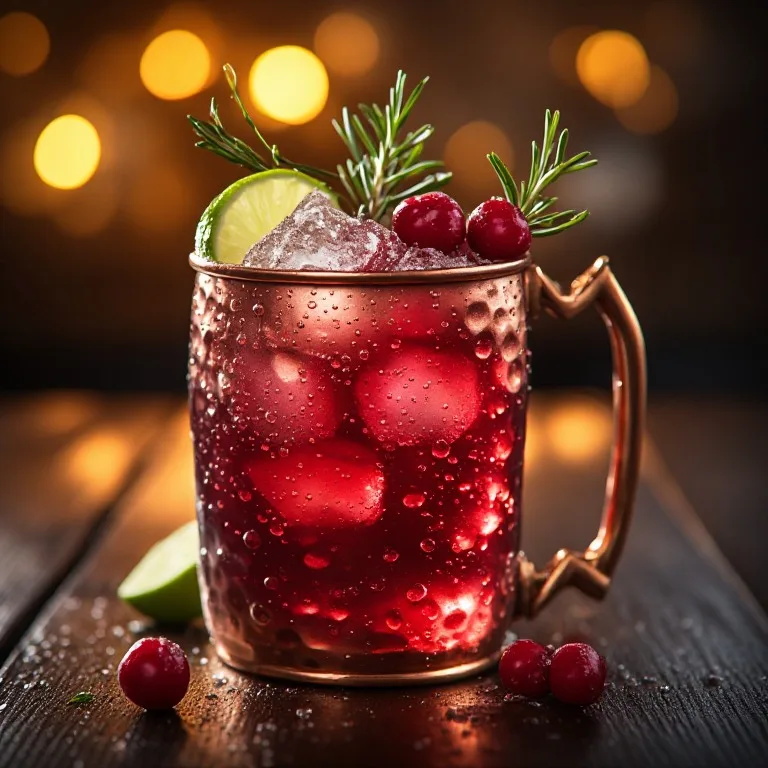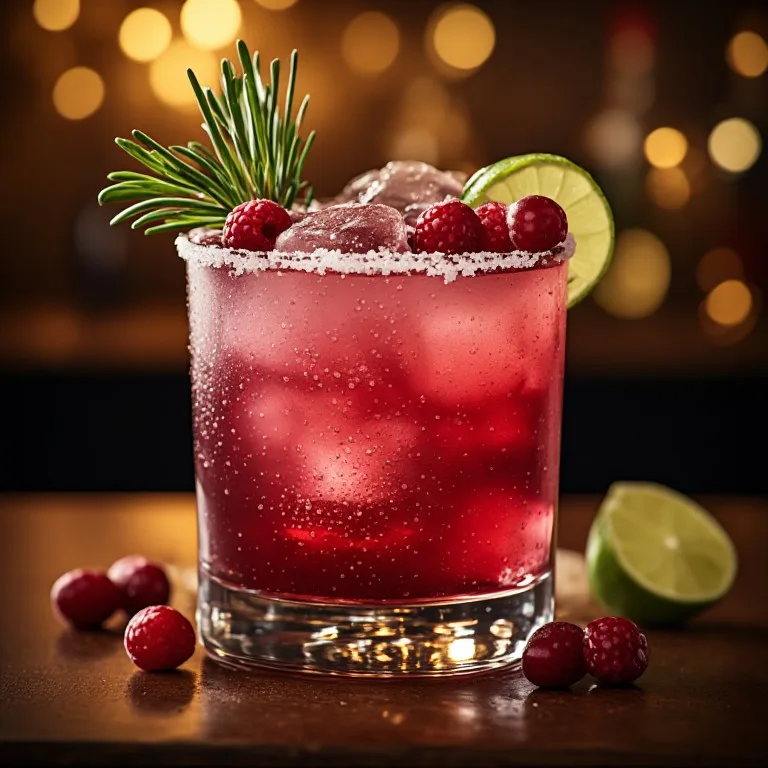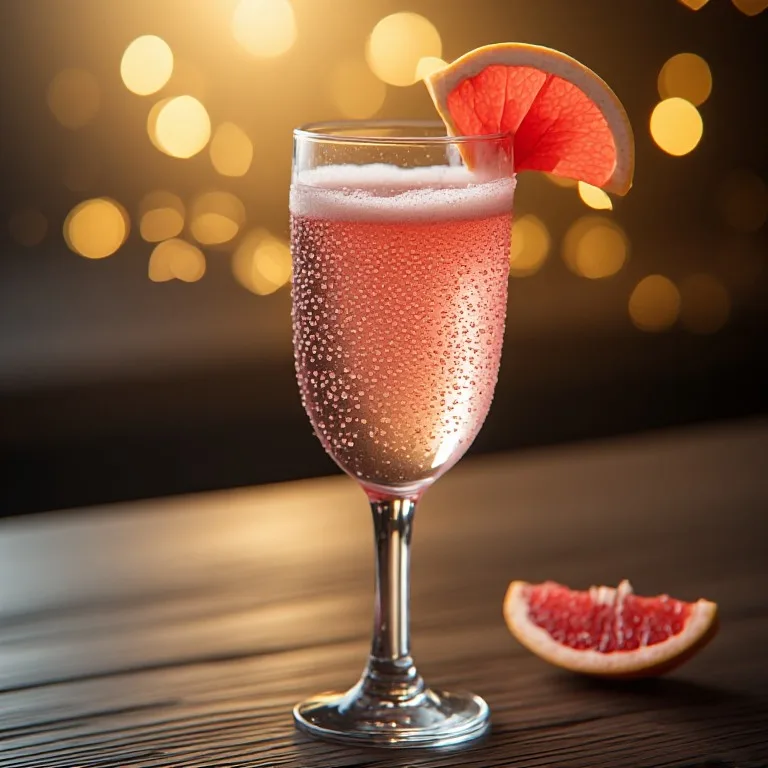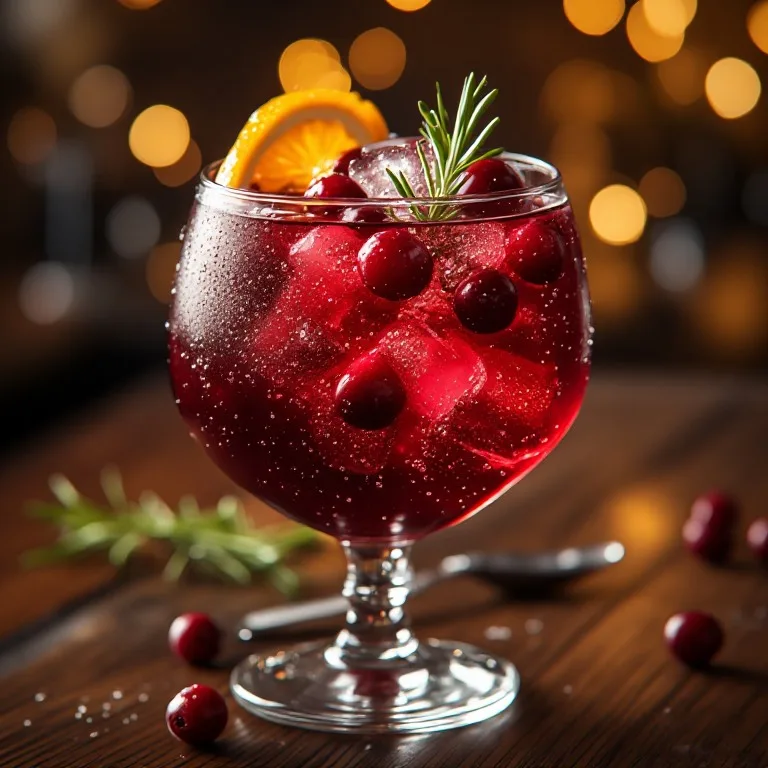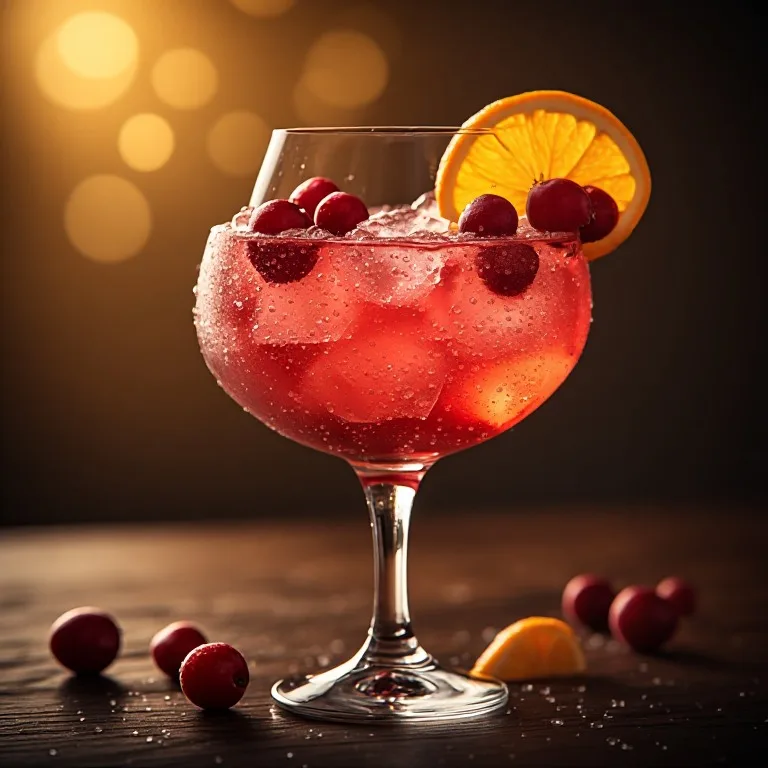
The Cranberry Aperol Spritz takes the orange bitterness and easy bubbles of a summer aperitivo and pulls them into the holiday season. Cranberry deepens the color, adds tart red-fruit flavor and makes the drink feel at home beside Thanksgiving appetizers or a Christmas snack board.
There is no single viral formula to reverse-engineer. Published versions range from simple three-ingredient builds to richer recipes with cranberry syrup, lemon or vinegar. This one stays close to a classic spritz: sparkling wine leads, Aperol provides bitterness and cranberry adds a measured seasonal accent.
What the Viral Drink Actually Is
A classic Aperol Spritz follows a 3:2:1 pattern of Prosecco, Aperol and soda, served over ice in a wine glass with orange. The cranberry version is a loose holiday family rather than a protected recipe. Its dependable core is Aperol, sparkling wine and cranberry.
Alex Guarnaschelli published a Thanksgiving version with Aperol, cranberry, red wine vinegar, sparkling wine and orange. Other widely circulated recipes use only Aperol, cranberry juice cocktail and sparkling wine. Social versions sometimes replace juice with concentrated cranberry syrup and restore the soda topper.
Those variations make one thing clear: the drink is real and recurring, but it has no single inventor or official ratio. The measurements here are an original home interpretation, not a claim about what every viral video poured.
Why Typical Cranberry Spritzes Miss
Too much cranberry is the most common problem. Cranberry juice cocktail can smother Aperol’s orange and herbal notes, while unsweetened cranberry juice can make the drink aggressively tart. One ounce of sweetened cranberry juice cocktail colors and flavors the glass without turning it into punch.
Warm ingredients create the second problem. If the Prosecco, juice and soda are not cold, the ice melts before the drink is properly chilled. That leaves a watery spritz with tired bubbles. Refrigerate every liquid and use fresh, hard ice.
Finally, stirring too much wastes the carbonation. Pour the sparkling wine first, add the denser ingredients and lift the mixture gently once or twice. The drink does not need a shaker.
The Key Technique: Let Prosecco Lead
Starting with Prosecco gives the bubbles room to move through the finished drink. Pouring it onto Aperol and cranberry can produce excess foam, while dropping the dense juice into the wine helps it disperse with minimal work.
Choose brut Prosecco or another dry sparkling wine. Sweeter bottles combined with Aperol and cranberry juice cocktail can become sticky. Soda water lengthens the finish and restores the light snap expected from a spritz.
The orange half-moon is more than decoration. Its fragrant peel ties the cranberry back to Aperol’s citrus profile. Fresh or frozen cranberries look festive, but they are garnish only and should not be muddled into the glass.
Make a Pitcher for Eight
Combine 10 oz (300 ml) Aperol and 8 oz (240 ml) cranberry juice cocktail in a covered pitcher and refrigerate for up to one day. Keep one 750 ml bottle of brut Prosecco and 4 oz (120 ml) soda water cold separately.
Just before serving, add the Prosecco and soda to the pitcher and stir once. Pour immediately into eight ice-filled wine glasses. Garnish each with orange and cranberries. For the liveliest result, build individual glasses instead of leaving a sparkling batch on the table.
The Cranberry Holiday Spritz Mocktail
Removing Aperol and wine leaves cranberry soda, so the zero-proof version needs structure from both replacements. A 0.0% Italian aperitif contributes bitter orange and herbs. A dry 0.0% sparkling wine supplies acidity and fine bubbles, while lemon sharpens the finish.
Check both labels for 0.0% if complete alcohol avoidance matters. Some products marketed as nonalcoholic can contain a small amount of alcohol. Keep every component cold and use the same gentle build as the cocktail.
See more viral cocktail recipes →