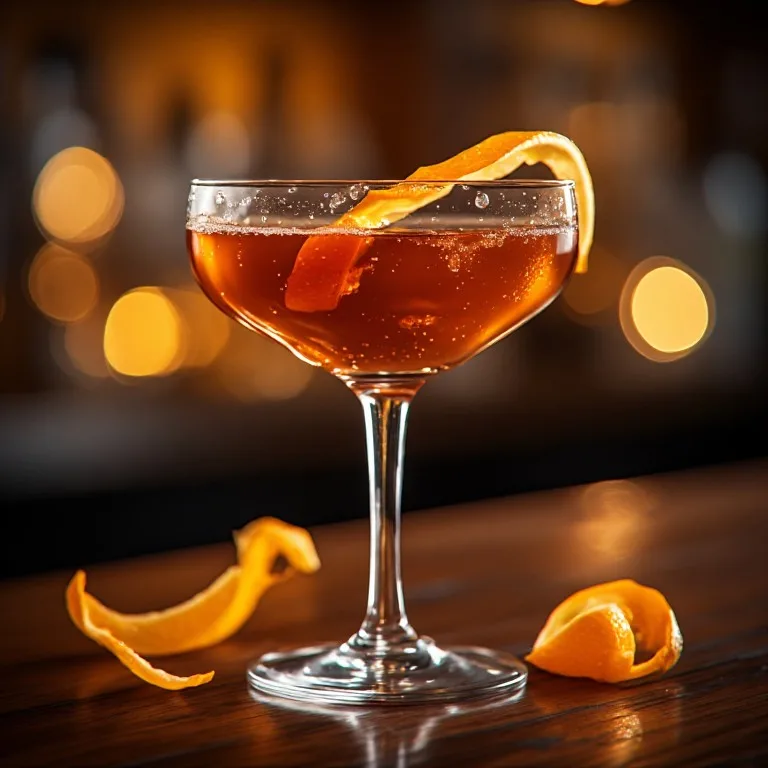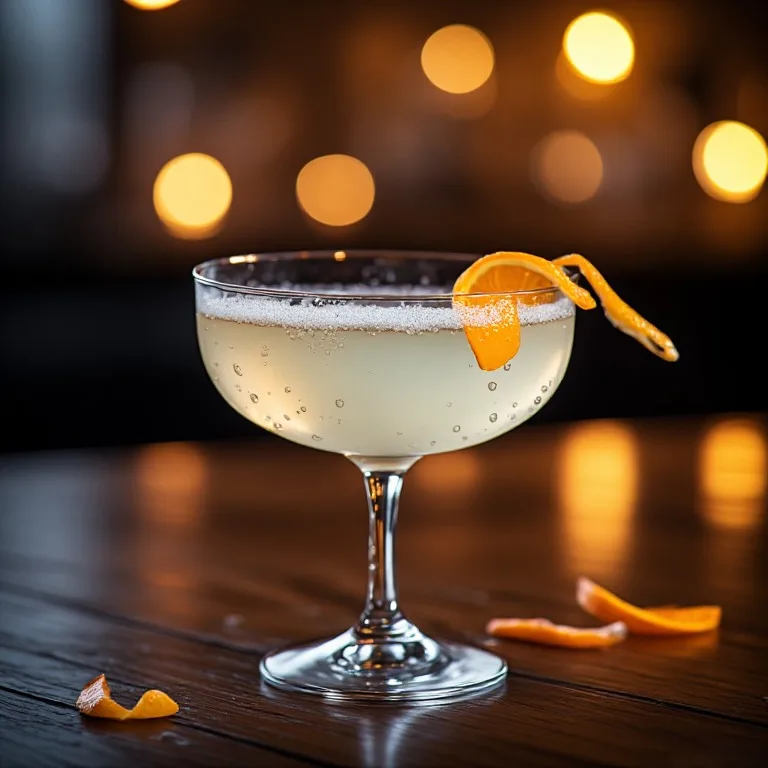
The White Lady most drinkers know is a brisk gin sour. That is not the drink Harry MacElhone published under the name after his time at Ciro’s Club. His original is an eccentric, potent combination of orange liqueur, brandy and white crème de menthe. It tastes like candied orange peel passing through a cool ribbon of mint, with just enough brandy to add warmth.
That distinction matters in a venue-specific copycat. Replacing the mint and brandy with gin and lemon would make a good classic cocktail, but it would not recreate the White Lady documented in MacElhone’s Ciro’s-era book.
What Ciro’s Club Actually Served
MacElhone’s 1922 Harry’s ABC of Mixing Cocktails lists one-sixth brandy, one-sixth crème de menthe and two-thirds Cointreau, followed by the simple direction to shake and strain. On a practical three-ounce scale, those fractions become 1/2 oz brandy, 1/2 oz white crème de menthe and 2 oz Cointreau.
The date and authorship deserve care. MacElhone is reputed to have created this first White Lady at Ciro’s around 1919, but the secure evidence is the printed 1922 recipe. Ciro’s itself was a London private club opened in 1915 and is no longer a current venue. There is therefore no modern Ciro’s menu, price or availability to report.
The familiar gin version arrived later. A 1930 recipe in Harry Craddock’s The Savoy Cocktail Book uses two parts dry gin to one part each Cointreau and lemon. Historical research also points to competing claims involving MacElhone and bartender Victor Cabrin. The evidence does not justify declaring one undisputed inventor of that later drink.
Why Typical White Lady Recipes Miss Ciro’s Version
Search for a White Lady today and nearly every result begins with gin and lemon. Some add egg white. That version has become the standard, but using it here erases the most interesting fact about the Ciro’s drink: the original formula was closer to a liqueur cocktail than a sour.
Another mistake is using green crème de menthe. It has the same basic mint profile, but it gives the drink a bright green cast. White crème de menthe keeps the pale presentation suggested by the name.
Finally, do not add simple syrup. Two ounces of Cointreau and a half-ounce of mint liqueur already bring substantial sugar. Extra syrup makes the cocktail sticky and hides the small brandy pour.
The Key Technique: Control the Dilution
This recipe contains no citrus, juice or water before it meets the shaker, so dilution is part of the formula rather than an incidental detail. Use plenty of hard ice and shake for 10 to 12 seconds. A shorter shake leaves the alcohol and peppermint sharp. An overly long shake makes the orange flavor feel thin while the sugar remains.
Serve it in a small, thoroughly chilled glass. A large modern coupe makes a correct three-ounce pour look lost and encourages oversizing an already strong drink. The expressed orange twist is not specified by MacElhone; it is a restrained modern addition that gives the first sip a fresh orange aroma.
Make a Ciro’s White Lady Batch for Six
Combine 12 oz (360 ml) Cointreau, 3 oz (90 ml) brandy and 3 oz (90 ml) white crème de menthe in a bottle or covered pitcher. Add 4 1/2 oz (135 ml) cold water to reproduce the dilution that shaking would provide.
Refrigerate for at least four hours. Stir, then pour 3 3/4 oz (110 ml) into each frozen small coupe. Express a fresh orange twist over every glass. Keep the batch cold and measure each serving because its sweetness can disguise its nearly two standard drinks.
The Ciro’s White Lady Mocktail
There is no convincing way to replace a liqueur-led cocktail with one syrup and call the job done. The zero-proof build separates the original drink into its jobs. A 0.0% brandy alternative supplies oak and spice, orange cordial carries concentrated peel flavor, and double-strength peppermint tea replaces crème de menthe’s cooling finish without another load of sugar.
Fresh orange rounds out the cordial, while lemon provides the dry, bright edge normally supplied by alcohol. Shake it hard and use the same cold glass and orange aroma. Check that the brandy alternative is labeled 0.0% if complete alcohol avoidance matters.
See more historic bar copycat cocktails →