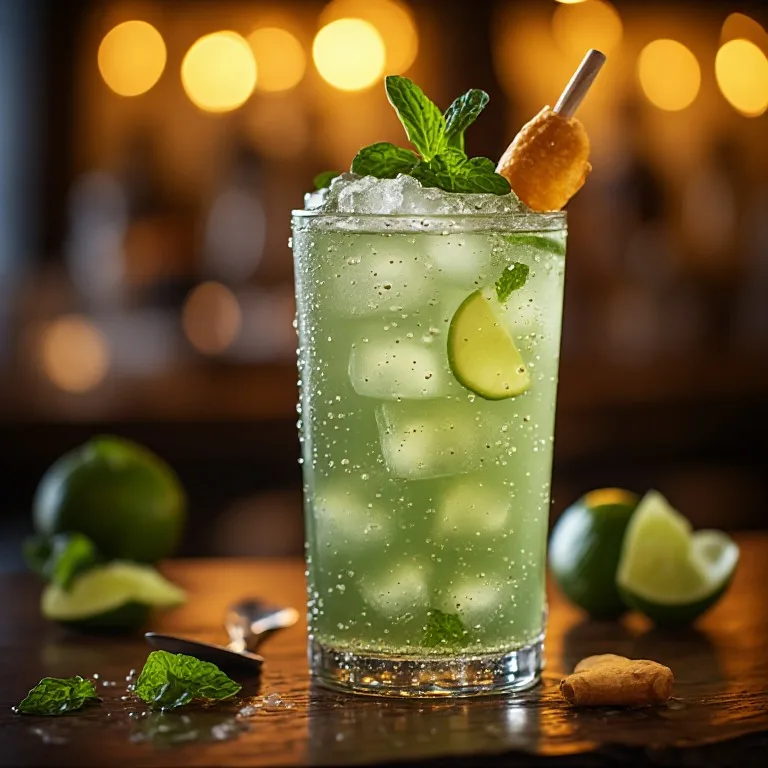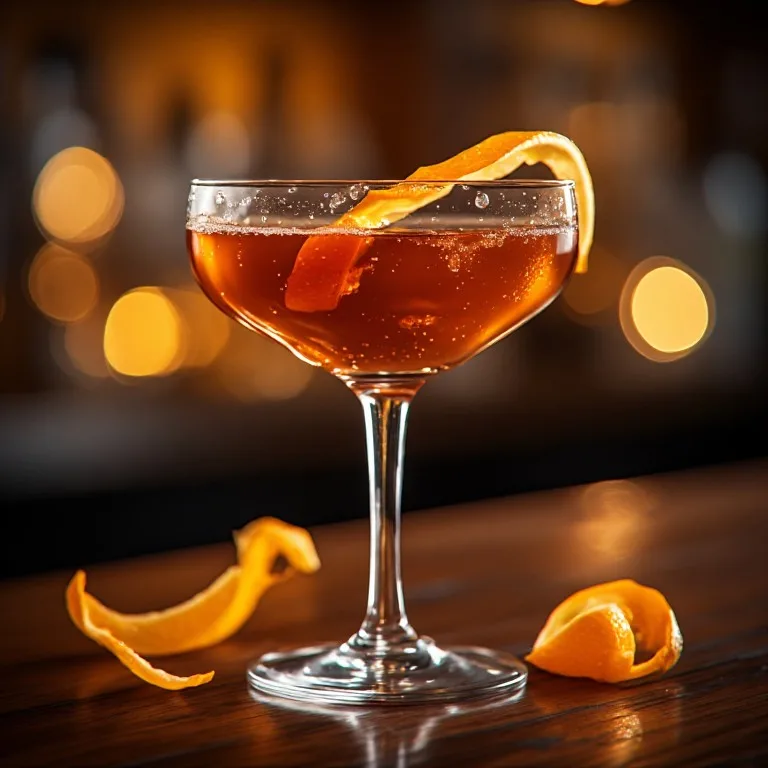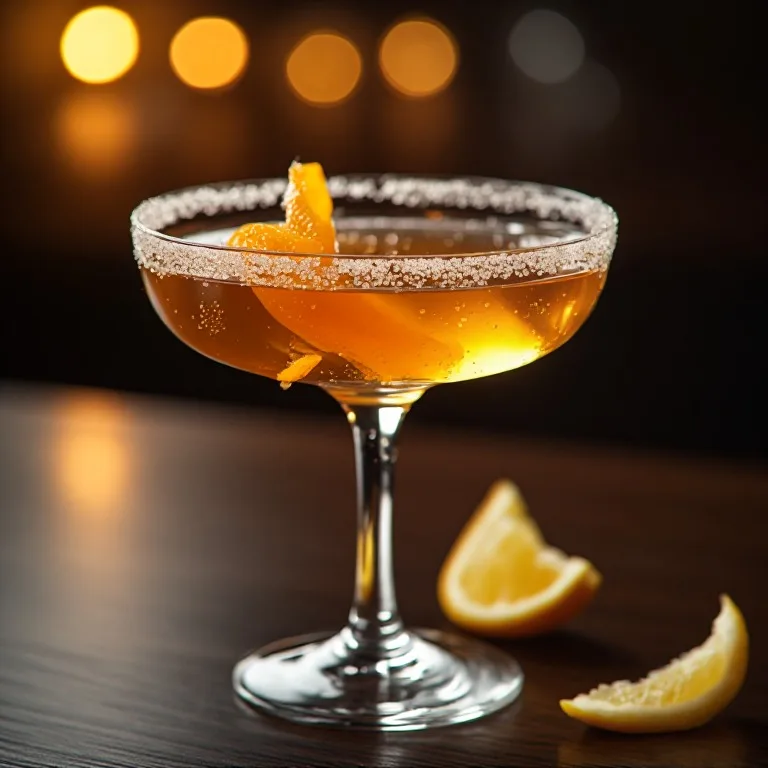
The Pegu Club Cocktail looks like a gin margarita on paper: dry spirit, orange liqueur and tart citrus. Two kinds of bitters change the shape. Angostura supplies dark spice, orange bitters sharpen the peel aroma, and the combination gives a lean sour a surprisingly long finish.
It is also a drink with two club stories. The name came from a British colonial officers’ club in Yangon. Decades later, Audrey Saunders used it for her influential New York cocktail bar. Those venues should not be blurred together, and the history should not be polished into an uncomplicated golden-age tale.
What the Historic Club Actually Served
The exact original pour is not known. The Oxford Companion to Spirits & Cocktails identifies Harry McElhone’s 1927 Barflies and Cocktails as the earliest known printed recipe. It calls for dry gin, orange curaçao, Angostura bitters, orange bitters and only a teaspoon of Rose’s lime juice. Harry Craddock reprinted a similar formula in the 1930 Savoy Cocktail Book and noted that the drink was requested around the world.
Some modern sources date the first printing to 1923, but surviving editions and citations conflict. The careful conclusion is limited: the cocktail was associated with the Yangon club and documented by the late 1920s, while its inventor and creation year are unknown.
Saunders’ Pegu Club in New York served a brighter modern version: 2 oz Tanqueray, 3/4 oz Marie Brizard orange curaçao, 3/4 oz fresh lime, one dash Angostura and one dash orange bitters. That documented bar formula is the recipe used here.
Why Typical Copycats Fail
The first failure is mixing eras. One teaspoon of sweetened lime cordial behaves nothing like three-quarters of an ounce of fresh lime. Both are historically defensible approaches, but combining modern lime volume with extra cordial or simple syrup can produce a muddled, overly sweet drink.
The second is using only one bitter. Angostura gives baking spice and gentian depth. Orange bitters reinforce the curaçao while adding a dry peel note. Neither dash seems large, but removing one makes the finish noticeably flatter.
Finally, weak shaking leaves this drink severe. Two ounces of high-proof gin plus curaçao need cold water from the ice. Shake until the tin is frosty, then fine-strain. Proper dilution softens the alcohol without erasing the crisp edges.
The Key Technique: Balance Lime Against Curaçao
Fresh lime changes by fruit and season. Start with equal 3/4 oz pours of lime and curaçao, the New York house balance. If the lime is unusually sharp, do not automatically add syrup. A slightly generous curaçao pour or a shorter lime measure keeps the orange character intact.
Use a London dry gin with enough juniper to remain present after shaking. Tanqueray matches the documented New York spec, but another assertive dry gin works. A rich brandy-based orange curaçao brings more depth than a neutral bargain triple sec.
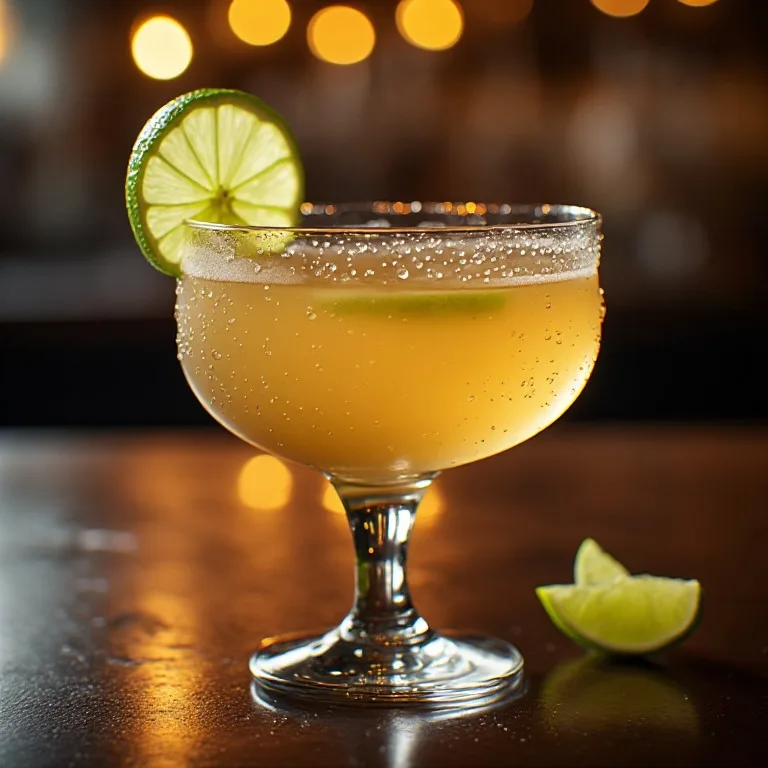
Chill the coupe before shaking. Because the cocktail is served without ice, a warm glass steals its best minutes. A thin lime wheel is enough garnish; thick wedges drip juice into a formula that has already been carefully balanced.
Batch the Base for Eight
Combine 16 oz (480 ml) London dry gin, 6 oz (180 ml) orange curaçao, 8 dashes Angostura bitters and 8 dashes orange bitters in a sealed bottle. Refrigerate until service. Keep the limes whole and cold.
For each drink, add 2 3/4 oz (82 ml) batched base and 3/4 oz (22 ml) freshly squeezed lime to an ice-filled shaker. Shake and fine-strain into a chilled coupe. This approach gives the speed of batching without leaving fresh citrus to oxidize all afternoon.
For a fully pre-mixed batch, add the 6 oz (180 ml) lime no more than two hours before serving. Keep it refrigerated and still shake individual portions. The bubbles and light texture from shaking are part of what makes the modern version lively.
The Pegu Club Zero-Proof
Standard aromatic bitters contain alcohol, even when used by the dash. The mocktail skips them entirely. A 0.0% London-dry alternative provides juniper, alcohol-free orange cordial supplies sweetness and peel, and strong black tea adds the tannin that would otherwise come from spirit and bitters.
Two drops of saline make the orange taste brighter and lengthen the finish. Check both the gin alternative and cordial labels if complete alcohol avoidance matters. Shake and serve the mocktail in the same cold coupe; presentation and temperature carry much of the original’s grown-up restraint.
The Pegu Club survives because its structure is useful, not because its history is simple. Respect the documented recipe, keep the two venues distinct and let gin, orange, lime and bitters do the talking.
See more famous-bar cocktail recipes →