Pin It

Fred's Club Bramble: Dick Bradsell's Blackberry Gin Classic

More like this: Clyde Common Barrel-Aged Negroni: The Oak-Softened Original, Gin Rickey: Lime, Cold Sparkling Water, and No Sugar at All, Ruby Slipper: Strawberry, Elderflower, Gin, and Cold Prosecco, Stork Club Cocktail: Gin, Fresh Orange and a Measured Dash, and Tomato Martini: A Savory Gin Pour for Ripe Cherry Tomatoes.

Last updated November 3, 2026

Fred's Club Bramble: Dick Bradsell's Blackberry Gin Classic
The specStrong
Spirit
Gin
Glass
Rocks
Method
Shaken
Garnish
Blackberry and lemon slice
ABV (est.)
~15%
Standard drinks
1.5

1 US standard drink = 0.6 oz (14 g) pure alcohol. Estimates assume normal dilution.Make it a mocktail →

Jump to Recipe
Prep 8 min Serves 1 cocktail

Fred's Club Bramble: Dick Bradsell's Blackberry Gin Classic

Make Dick Bradsell's Fred's Club Bramble with dry gin, lemon, rich syrup, crushed ice and a bleeding drizzle of crème de mûre.

Easy Prep: 8 min1 cocktail servings ~$2.45/serving
Prep8 min
Servings
1

Is it cheaper to make at home?

At home~$2.45/serving
vs
Restaurant~$11.02/serving
You save ~78%

What's the story behind this drink?

Make Dick Bradsell's Fred's Club Bramble with dry gin, lemon, rich syrup, crushed ice and a bleeding drizzle of crème de mûre.

Nutrition Facts

Per serving (1 cocktail servings)
Calories210
Total Fat0g
Total Carbs21g
Dietary Fiber0g
Sugars19g
Protein0g
Sodium3mg

* Estimated values based on standard recipe preparation. Actual values may vary.

Ingredients

Instructions

What makes this work?

💡
Pro tip: Chill your glass and use fresh citrus squeezed the same day. Taste before you pour; a few drops of lime or simple syrup fixes most balance issues.
❄️
Batching: Mix everything except ice and bubbles up to a day ahead and keep it in the fridge. Shake or stir each drink with ice to order. Fresh citrus is best within 24 hours.
Make it a mocktail · zero proof

Bramble Patch Mocktail

A 0.0% London-dry-style spirit preserves the juniper backbone, while blackberry syrup replaces crème de mûre and still creates the drink's signature bleeding effect.

Ingredients

  • 2 oz (60 ml) 0.0% London-dry-style spirit
  • 1 oz (30 ml) fresh lemon juice
  • 1/2 oz (15 ml) 2:1 rich simple syrup
  • 1/2 oz (15 ml) blackberry syrup
  • 2 drops 20% saline solution
  • 1 fresh blackberry
  • 1 thin lemon slice
  • Crushed ice

Steps

  1. Shake the base. Shake the 0.0% spirit, lemon, rich syrup and saline with ice for 10 seconds.
  2. Strain over crushed ice. Pour into a rocks glass packed with crushed ice and build a small mound on top.
  3. Drizzle and garnish. Lace the blackberry syrup over the ice, then add the blackberry and lemon slice.

About 90 calories per drink · 0% ABV

Free PDF: The Copycat Bar Book. 75 copycat cocktails, each with a zero-proof version.

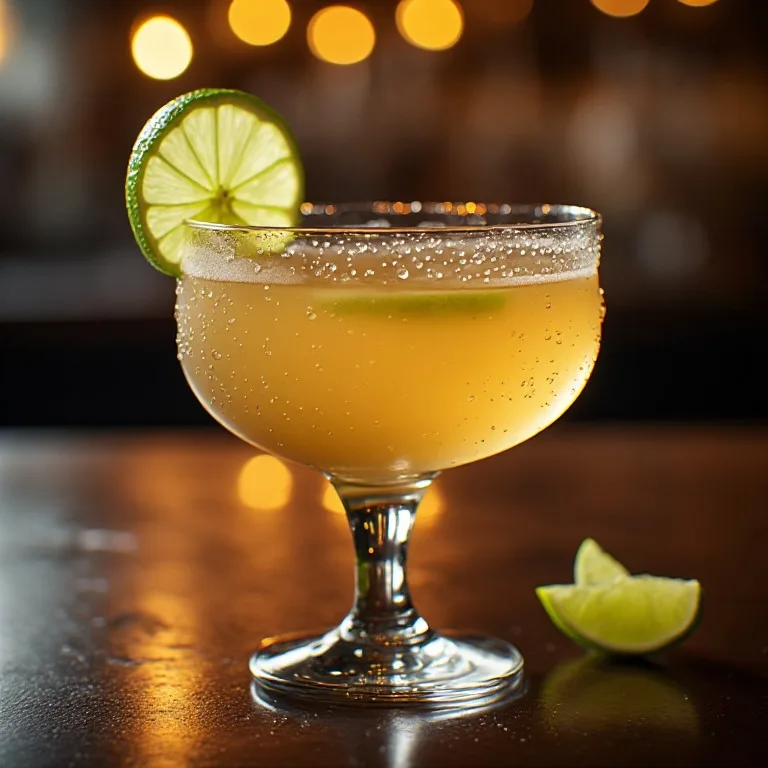
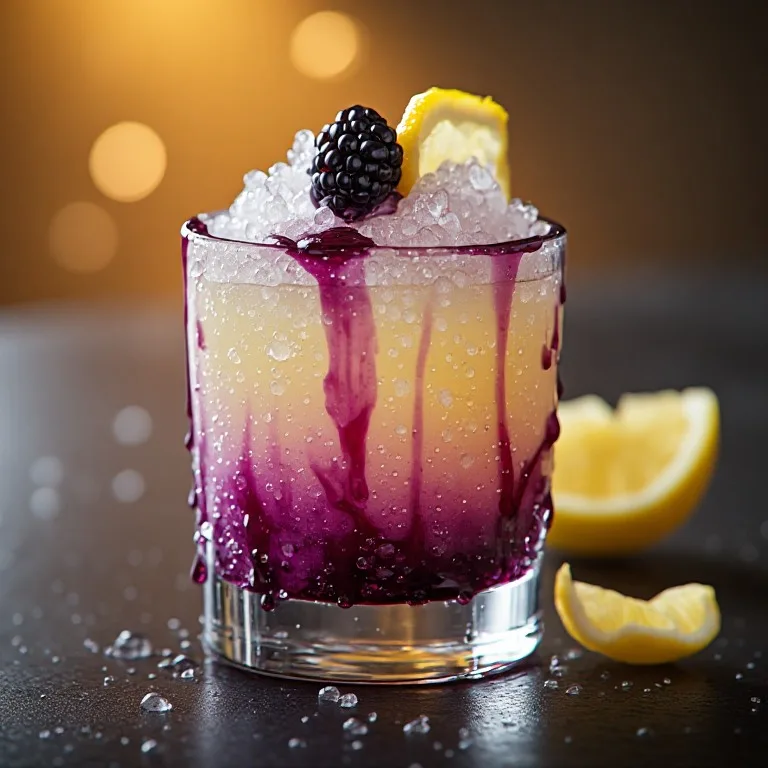
The Bramble looks like a blackberry vine has grown through a gin sour. Pale citrus and gin sit under a lacy purple drizzle, while crushed ice slowly pulls the strong, compact drink into balance. Its appearance is dramatic, but its ingredient list is wonderfully short.

Dick Bradsell created the drink at Fred’s Club in London’s Soho during the 1980s. It became one of the era’s defining modern classics and outlived the club where it began. The exact year and exact proportions are less tidy than many retellings suggest, so this recipe separates the secure story from the disputed details.

What Fred’s Club Actually Served

Bradsell described the Bramble as a gin sour flavored with crème de mûre. He wanted a British drink and drew on memories of picking blackberries on the Isle of Wight, even though the French liqueur and imported lemons complicated that national ambition.

At Fred’s, the drink went into a small old-fashioned glass over crushed ice shaped into a volcano. The blackberry liqueur was drizzled around the top to make a bleeding effect. Bradsell remembered using a raspberry garnish at first because fresh blackberries were not readily available; a blackberry and lemon slice later became standard.

The club itself is closed, so there is no current menu or price to report. Bradsell placed the creation in the mid-1980s or thereabouts. Numerous accounts specify 1984, while The Oxford Companion to Spirits & Cocktails dates it to 1989. That conflict is why this recipe does not put a single year in the title or claim one as certain.

Why Typical Copycats Fail

The first failure is using cubed ice. A Bramble over cubes is a short, forceful sour with sweet liqueur on top. Crushed ice provides greater surface area and ongoing dilution, which Bradsell considered essential to keeping the drink from becoming cloying.

The second is shaking the crème de mûre with everything else. That makes a uniform purple cocktail and erases the bramble-like streaks. The liqueur should be the last liquid added, poured slowly over a fresh mound of ice.

Substituting Chambord also changes the result. Chambord can make a good drink, but its black raspberry profile is softer and sweeter than a blackberry-focused crème de mûre. If it is your only option, reduce the simple syrup by a teaspoon and adjust after tasting.

The Key Technique: Build the Ice Volcano

Shake the gin, lemon and syrup first. Strain that cold sour base into a rocks glass filled to the brim with crushed ice, then add another scoop and press it gently into a dome. The ice must be high enough to catch the liqueur.

Drizzle the crème de mûre in a slow spiral rather than dumping it into the center. Some will stay vivid at the top and some will thread downward. Serve at once with a short straw so the drinker can taste brighter gin and lemon from below or mix in more berry from above.

The common modern formula here uses rich 2:1 syrup. If you have ordinary 1:1 syrup, use 3/4 oz (22 ml), then taste the sour base before it meets the blackberry. Lemon acidity varies, and balance matters more than rigid loyalty to one syrup concentration.

Batch the Sour Base for Eight

Combine 16 oz (480 ml) London dry gin, 8 oz (240 ml) fresh lemon juice and 4 oz (120 ml) rich simple syrup in a sealed bottle. Refrigerate and use within four hours because fresh lemon loses its brightness.

For each drink, shake 3 1/2 oz (105 ml) of batch with ice, strain over a mound of fresh crushed ice and drizzle with 1/2 oz (15 ml) crème de mûre. You can prepare the blackberry-and-lemon garnishes ahead, but never add crushed ice to the batch pitcher. It will melt too quickly and make later servings weak.

The Bramble Patch Mocktail

The zero-proof version keeps the drink’s architecture instead of turning it into blackberry lemonade. A 0.0% London-dry-style spirit brings juniper, coriander and citrus peel, while a couple drops of saline give the sour a longer, drier finish.

Blackberry syrup replaces crème de mûre and is drizzled only at the end. Choose a tart syrup with real berry flavor if possible. If yours is very sweet, reduce the rich simple syrup to 1/4 oz (7 ml). The crushed ice remains nonnegotiable because it softens both versions as they sit.

Simple ingredients make every choice visible in a Bramble: dry gin, fresh lemon, measured sweetness, properly crushed ice and a patient blackberry drizzle.

See more famous-bar cocktail recipes →
Enjoy responsibly. Must be 21+. One US standard drink is about 0.6 fl oz of pure alcohol (National Institute on Alcohol Abuse and Alcoholism: What Is a Standard Drink?).

Sources

Free · Personalized PDF · BetaAdd Fred's Club Bramble: Dick Bradsell's Blackberry Gin Classic to your free custom bar bookLoved this one? Start a personalized PDF bar book of your favorite copycat cocktails (mocktail versions included) — we build it and email it to you, free while in beta.Add this recipe →

What equipment do you need?

Cocktail shaker

Chills and aerates the gin sour base before it meets the crushed ice

Jigger

Balances tart lemon against the syrup and blackberry liqueur

Lewis bag and mallet

Makes dry crushed ice when an ice crusher is unavailable

Rocks glass

Supports the compact volcano of crushed ice used for the liqueur drizzle

Common questions

What is in a Bramble cocktail?

A Bramble combines dry gin, fresh lemon juice, sugar syrup and crème de mûre, a blackberry liqueur. It is served over crushed ice with the liqueur drizzled across the top.

Who invented the Bramble?

British bartender Dick Bradsell created it while managing Fred's Club in Soho. Bradsell himself recalled the mid-1980s, while later sources disagree between 1984 and 1989, so no exact year is claimed here.

Can I order a Bramble at Fred's Club today?

No. The original London members' club is closed. The Bramble survived it and is now served by bars around the world, but there is no current Fred's Club price or menu.

How strong is a Bramble?

This version contains about 1.5 US standard drinks. It begins near 15% ABV after shaking, then gradually becomes lighter as its crushed ice melts.

Is Chambord the same as crème de mûre?

No. Chambord is a raspberry-forward black raspberry liqueur, while crème de mûre is blackberry liqueur. Chambord works in a pinch but gives a sweeter, more raspberry-like drink.

Can I batch Brambles?

Batch the gin, lemon and syrup for up to four hours, but keep it cold and drizzle the crème de mûre onto each individual crushed-ice serving. Pre-batching the liqueur loses the visual effect.

How do I make a Bramble mocktail?

Use a 0.0% London-dry-style spirit and blackberry syrup. Lemon and juniper keep it tart and grown-up, while the separate syrup drizzle recreates the original's purple streaks.

Free PDF · 75 cocktails · Zero-proof versions

Love this one? Get all 75 in the free Copycat Bar Book.

The 75 copycat cocktails people order most, chapters by spirit, with a zero-proof version of every drink. Free download.

Get the Bar Book →

Love this recipe? Share it!

Free PDF: The Copycat Bar Book. 75 copycat cocktails, each with a zero-proof version.

What do readers say?

—
No ratings yet

Rate this recipe

Click a star to rate

Leave a Review

0/500

AB

Ankit Bhasin

Every drink on Copycat Cocktail is researched against what the restaurant or bar actually serves, specced in ounces, and paired with a zero-proof mocktail version. Where history or specs are uncertain, we say so.

Learn more about our mission →