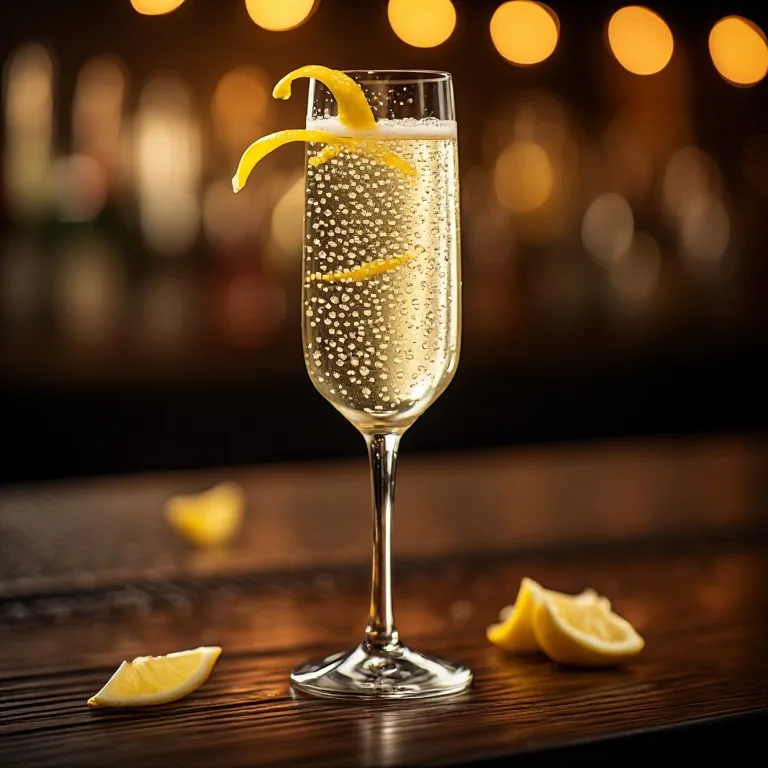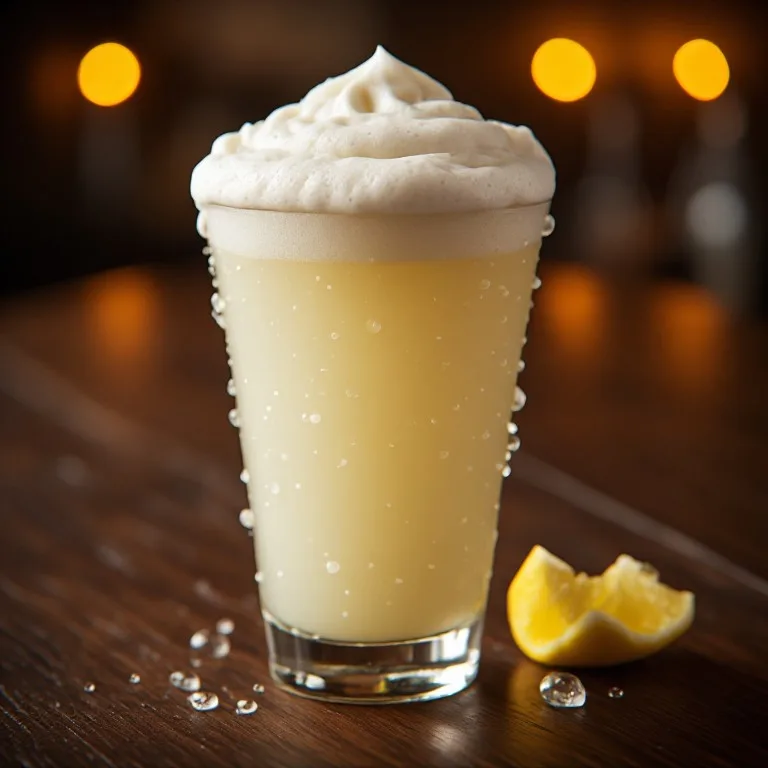
A Ramos Gin Fizz should look almost impossible: a narrow glass filled with a pale, silky drink and topped by a white cylinder of foam that climbs just above the rim. The effect comes from technique, not a stabilizer or a blender. Egg white, cream, citrus and shaking create the structure; soda gently raises it.
The Imperial Cabinet Saloon cannot serve you one today. Henry C. Ramos left it in 1907, and the business belongs to history. The drink survived, became a New Orleans icon and remains available at serious cocktail bars, including the Sazerac Bar at the Roosevelt.
What Ramos Served in New Orleans
The best-known early published formula appears in Stanley Clisby Arthur’s 1937 book, Famous New Orleans Drinks and How to Mix ‘Em. It calls for powdered sugar, orange flower water, lime, lemon, dry gin, egg white, rich milk or cream and a squirt of seltzer. Vanilla is listed as optional, followed immediately by an account of old bartenders disagreeing about it.
The date needs similar care. Modern archival research says Ramos took over the Imperial Cabinet in May 1887. Later histories commonly say the drink arrived in 1888, while a recent book from LSU Press places the invention sometime around 1890. It is safe to say Ramos established the drink there in the late 1880s. Claiming a perfectly proven day or recipe would go beyond the evidence.
Why Typical Fizzes Fail
The first failure is a weak emulsion. Adding a shaker full of ice from the start gives cream, citrus and egg less uninterrupted movement. Dry-shaking before the cold shake builds small bubbles and combines the dairy with the acids before dilution slows the process.
The second is using too much orange flower water. Its aroma should feel like walking past blossoms, not drinking perfume. Three drops are enough for most culinary brands. Measure with a dropper instead of pouring from the bottle.
Finally, do not dump soda into the shaker. Soda belongs in the glass after the foam has had time to set. A fast pour breaks the cap; a slow stream through its center lifts it.
The Key Technique: Two Shakes and a Rest
Seal the shaker carefully for the dry shake because pressure can force the tins apart. After 30 seconds, add only three or four medium cubes. Fewer cubes provide room for the mixture to move and gradually dilute while the tin gets very cold.
One minute with ice is enough for a home drink. Stories about 12 or 15 minutes capture the spectacle of Ramos’s busy saloons, but recreating an endurance contest is unnecessary. Fine-strain into a freezer-cold narrow glass, wait 45 seconds, then pour cold soda down the center. The narrow walls support the foam better than a wide pint glass.
Batch the Liquid, Not the Foam
For four drinks, combine 8 oz gin, 2 oz lemon juice, 2 oz lime juice, 3 oz simple syrup, 4 oz cream and 12 drops orange flower water. Refrigerate the sealed batch and use it the same day. Do not add egg white or soda to the bottle.
For each order, measure 4 3/4 oz of batch into a shaker, add 1/2 oz pasteurized egg white and complete both shakes. Strain, rest and finish with 1 oz soda. This saves measuring time without sacrificing the fresh foam that defines the drink.
The Ramos Garden Fizz Mocktail
The zero-proof version keeps the same architecture. A 0.0% gin alternative brings juniper, aquafaba replaces egg white, and cream or barista oat cream supplies the soft body. Check the gin alternative’s label if complete alcohol avoidance matters; products labeled merely nonalcoholic may contain trace alcohol.
Aquafaba can smell beany in the shaker, but citrus and orange flower water cover it once the drink is cold. Use unsalted liquid from canned chickpeas and fine-strain well. The foam may be slightly softer than egg white, but the soda lift still works.
The Ramos Gin Fizz is not difficult because it has many ingredients. It is difficult because every small choice affects the foam. Keep everything cold, measure the floral water with restraint and give the drink its brief rest before the final fizz.
See more historic bar cocktails ->