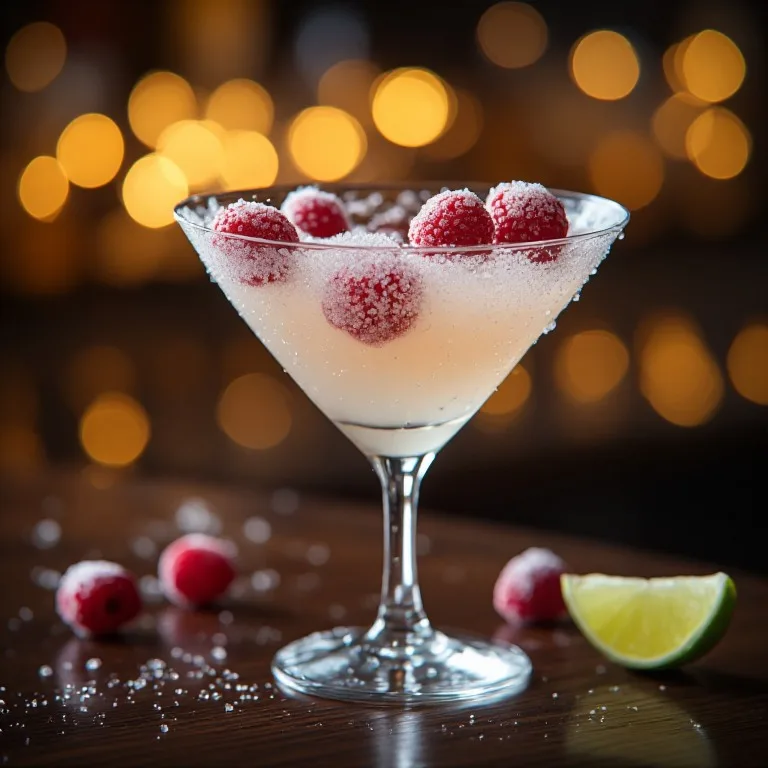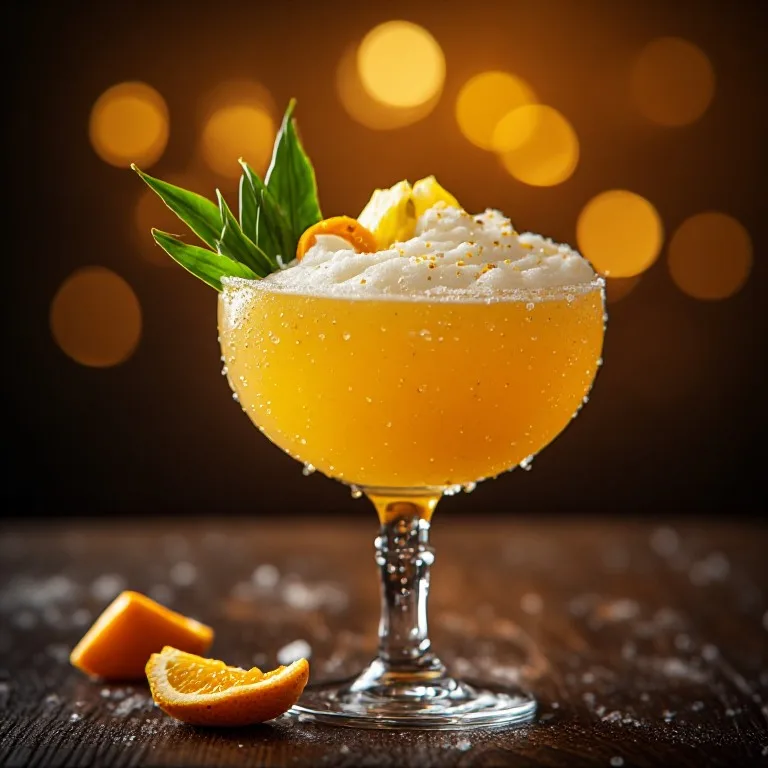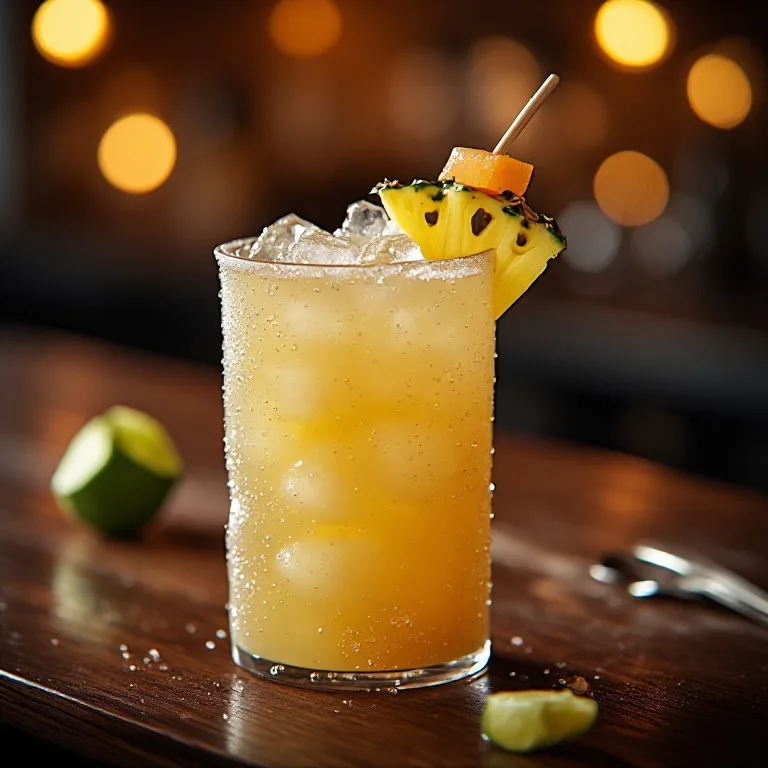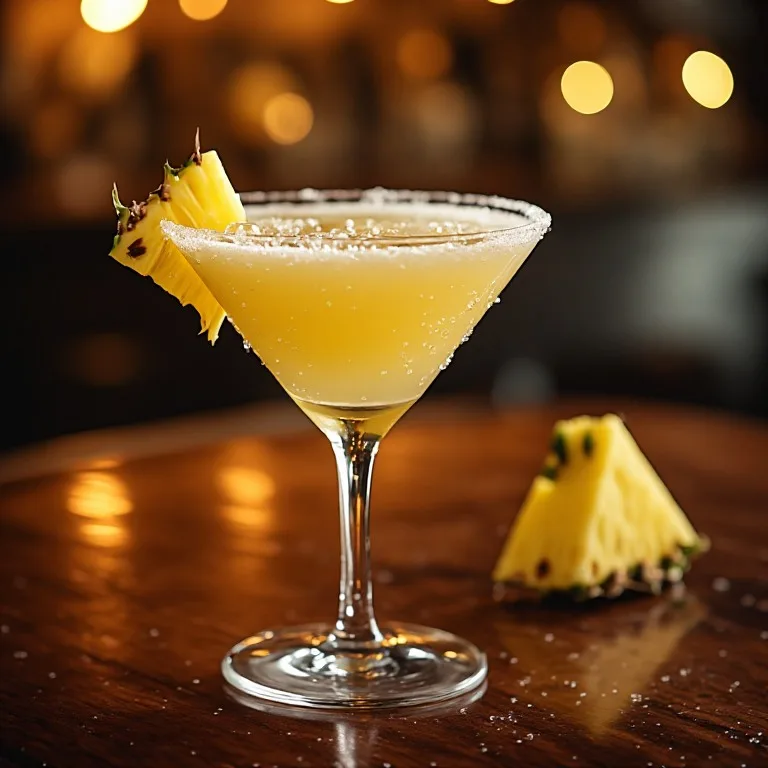
Bonefish Grill’s pineapple martini is a small, cold, very sweet drink that smells like fresh fruit before it tastes like coconut rum. The chain introduced it as the Fresh Pineapple Martini. Per Oct 2024 menu and 2025-26 ordering pages, menus call it the Crushed Pineapple Martini. The ingredient sentence barely changed: Malibu rum, St-Germain elderflower liqueur, fresh pineapple, lemon and syrup.
In November, when most holiday glasses lean on cranberry and whiskey, this one is the bright pour. It belongs at a New Year party as easily as it does next to grilled fish. It is not a tiki drink in a martini glass, and it falls apart if you treat it like one.
What Bonefish Grill Actually Serves
Menus from 2015 and 2016 list the Fresh Pineapple Martini with Malibu, St-Germain, fresh pineapple, lemon and a house-made vanilla bean simple syrup. The price on those menus moved from $7.90 to $9.40. An October 2024 Bonefish Grill menu shortens the name to Crushed Pineapple Martini, lists the same spirits and fruit, says “simple syrup” without the vanilla bean, prints 180 calories and prices the glass at $11.90.
Ordering pages in 2025 and 2026 kept that Crushed description and the 180-calorie figure. They also sold the drink as two martinis in a shaker to go, starting around $15, with the usual note that alcohol orders need a food purchase and an ID check. A single dine-in price still depends on the location. Some older third-party menus put the glass near $9 to $9.50. That range looks stale next to the October 2024 print price.
A nutrition database entry for the Crushed Pineapple Martini lists 180 calories, 29 grams of carbohydrate and 28 grams of sugar, with no fat and no protein. An older entry under the Fresh Pineapple name listed 190 calories and more carbohydrate. The 180-calorie figure is the one printed with the current drink. None of these sources include ounces. The measures below are a home balance aimed at that nutrition, not a company recipe.
Why Typical Pineapple Martinis Miss
The first miss is canned pineapple juice alone. Juice gives sugar and color. It does not give the green, sharp smell of a fresh chunk pressed in the tin. Bonefish Grill’s wording says fresh pineapple. Juice can fill out the volume. It should not do the whole job.
The second miss is too much Malibu. Coconut rum is 21% ABV and already sweet. At 1½ oz, plus elderflower and syrup, the drink climbs past 180 calories and starts to taste like a candy bar. The 1¼ oz pour is deliberate. It keeps St-Germain audible. Elderflower at a full ounce turns pineapple into soap. Half an ounce is the ceiling.
The third miss is a long shake. Syrup and coconut rum foam. Ten seconds is enough to chill and dilute. A 20-second shake leaves a cap of bubbles and a watery finish once they settle.
Vanilla is the detail people argue about. The older menus name vanilla bean syrup. The current menu does not. If you only have plain syrup, use it. You are closer to the 2024 card than to a guess. If you want the drink people remember from the Fresh Pineapple years, make the vanilla syrup and keep the dose at ½ oz.
The Key Technique: Crush, Then Fine-Strain
Use ripe pineapple, yellow to the rind, and cut around the core. The core is fibrous and bitter, and it will not pass a fine strainer cleanly. Three small chunks are plenty. Press them with the lemon and the syrup so the sugar pulls juice out of the fruit. Four or five presses are enough. If the tin smells like candy and grass at the same time, stop.
Add the Malibu, St-Germain and a measured ounce of pineapple juice. The juice replaces the water you would otherwise lose by under-muddling, and it keeps every drink the same size. Shake with firm ice for 8 to 10 seconds. Double-strain. A martini glass shows every speck of fiber. The Hawthorne strainer alone is not enough.
Chill the glass first. This drink is mostly sugar and low-proof rum. If the glass is warm, the first sip tastes heavy and the last sip tastes thin. A frozen glass holds the texture for the few minutes the drink should last.
Garnish with a small wedge, not a spear that tips the glass. The fruit in the tin already did the flavor work.
A Batch for Eight, Fruit at the Last Minute
Stir together 10 oz (300 ml) Malibu, 4 oz (120 ml) St-Germain, 8 oz (240 ml) pineapple juice, 4 oz (120 ml) lemon juice and 4 oz (120 ml) vanilla or plain syrup. Keep it covered in the refrigerator for no more than a day. Do not muddle the whole pineapple into the bottle. Crushed fruit turns brown and bitter, and the pulp will not pour.
For each drink, muddle 3 chunks in a shaker, add 3½ oz (105 ml) of the cold mix, shake with ice for 8 seconds and double-strain into a chilled glass. That extra shake is the dilution the batch does not have yet. If you pour the mix straight into the glass, it will taste thick and hot.
For a New Year setup, chill the glasses and cut the wedges ahead of time. Every drink still needs its own shake, so the first glasses should not sit while the last ones are made.
The Zero-Proof Pineapple Martini
Coconut water replaces the roundness of Malibu without copying a rum label. Elderflower cordial, used at the same ½ oz as the liqueur, keeps the floral note and lets you hold the syrup steady. More pineapple juice fills the gap left by the smaller spirit pour. Lemon is still required. Without it, 28 grams of sugar in the original becomes, in the mocktail, just sweet juice.
Shake and fine-strain exactly as you would the cocktail. The mocktail lands near 120 calories, almost all from fruit and syrup. It is still a small up drink, not a tall cooler. If you want it longer, add 1 oz cold soda after straining and serve it over one cube in a little rocks glass. That is a different drink, and a good one when a martini glass feels like too much for a dry January table.
See more Bonefish Grill copycat drinks →