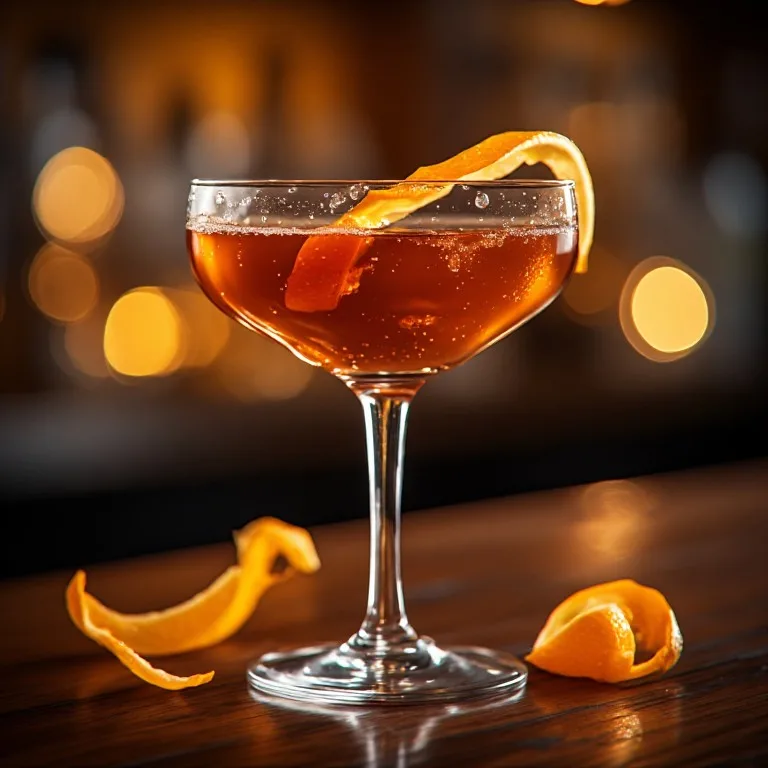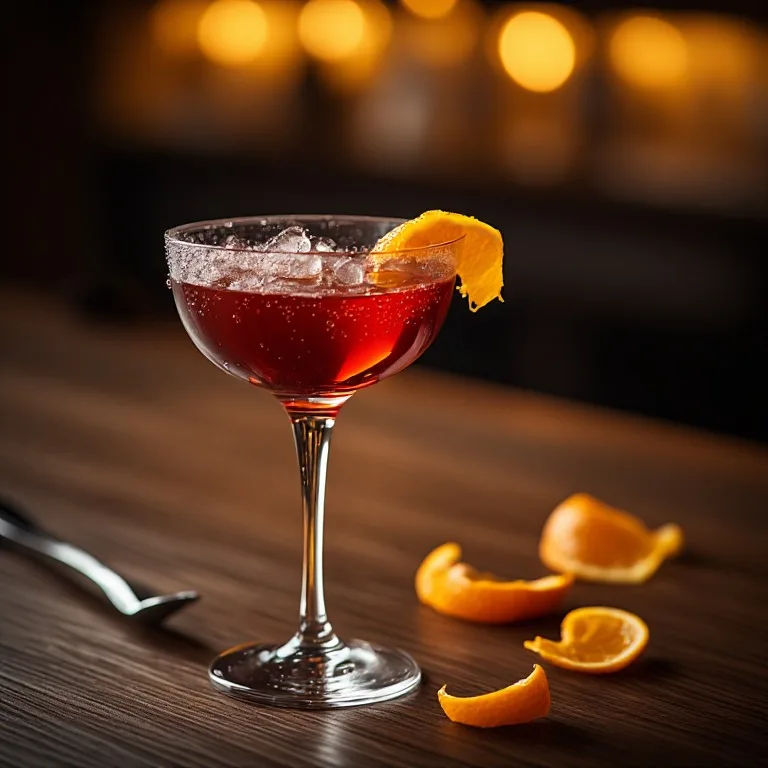
Clyde Common’s Barrel-Aged Negroni did not invent the Negroni or the idea of resting a cocktail. It did something nearly as consequential: it showed a generation of American bartenders that a fully mixed classic could spend weeks in a small used barrel and emerge recognizably itself, but softer, rounder and marked by oak.
Jeffrey Morgenthaler documented the process himself, including an exact large-batch formula. That makes this recipe unusually firm historical ground. The uncertainty lies in reproducing a particular barrel, because wood never behaves like a standardized bottle ingredient.
What Clyde Common Actually Served
Morgenthaler’s 2010 recipe is equal parts dry gin, sweet vermouth and Campari. He combined 128 oz of each for a three-gallon batch, put it into oak without added water and let it rest for five to seven weeks. Once it tasted ready, the bar drained and strained the batch into bottles.
For service, bartenders measured the aged cocktail over ice, stirred it, strained it into a cocktail glass and garnished it. Contemporary reporting from 2011 identified Beefeater gin, Cinzano Rosso and Campari with an orange peel and listed the drink at $10. A later archived menu listed it at $15 and described two months in a bourbon barrel. Batch timing and price evidently changed over the drink’s life.
There is no current Clyde Common menu. The Portland restaurant and bar closed permanently in January 2022 after 14 years, so pages presenting current hours or prices are outdated.
How the Barrel-Aged Negroni Began
Morgenthaler traced the idea to a 2009 London visit. At Tony Conigliaro’s unnamed bar at 69 Colebrooke Row, he tasted a Manhattan that had matured in glass. Back in Portland, he asked what would happen if an American bar used wood instead.
His first experiment was a rye Manhattan in a small Madeira barrel. The Negroni followed in used bourbon barrels from Tuthilltown. After about six weeks, he described paler color, slight vermouth oxidation, whiskey character through the middle and a long oak-tannin finish. The result helped turn barrel-aged cocktails into a modern bar-program staple.
Why Typical Copycats Miss
Dropping oak chips into a single Negroni for a few days adds wood flavor, but that is not the full effect of a used barrel. A seasoned cask contributes traces of its former whiskey, controlled oxygen exposure and gentler extraction from wood that has already surrendered its harshest tannins.
New miniature barrels can also move alarmingly fast. Their high surface-area-to-volume ratio may over-oak a batch before the vermouth and spirits have time to integrate. Used beverage barrels are preferable, and tasting every week is more important than obeying a fixed calendar.
The final mistake is serving the drained batch straight from the bottle. Clyde Common still stirred each order with ice. That fresh chilling and dilution open the aromas and pull a strong, concentrated three-ounce mixture into balance.
The Key Technique: Age Dry, Dilute to Order
Do not add water before the barrel. Combine only gin, vermouth and Campari in equal amounts, filling the prepared barrel according to its maker’s directions. Excess headspace speeds oxidation in unpredictable ways.
Taste at regular intervals. Look for integrated bitterness, a light whiskey-and-vanilla accent and drying oak that lengthens the finish without making it puckering. When the drink reaches that point, drain it immediately, fine-strain away char and move it to clean glass bottles.
For a practical eight-drink batch, begin with 8 oz (240 ml) of each ingredient. A larger barrel requires a proportionally larger batch; do not partly fill it just to keep the recipe small. Refrigerate the bottled cocktail and use it while the vermouth still tastes fresh.
The Oak-Kissed Zero-Proof Negroni
Weeks in a barrel are a poor fit for many zero-proof products once opened. Instead, the mocktail uses equal parts 0.0% botanical spirit, alcohol-free bitter red aperitif and alcohol-free sweet vermouth alternative, then adds a quarter ounce of chilled oak-smoked black tea.
The tea contributes tannin, smoke and a wood-like finish in a controlled dose. Stirring supplies the same cold, silky service as the cocktail. Products labeled nonalcoholic can contain trace alcohol, so choose bottles explicitly marked 0.0% when strict avoidance matters.
See more historic bar copycat cocktails →