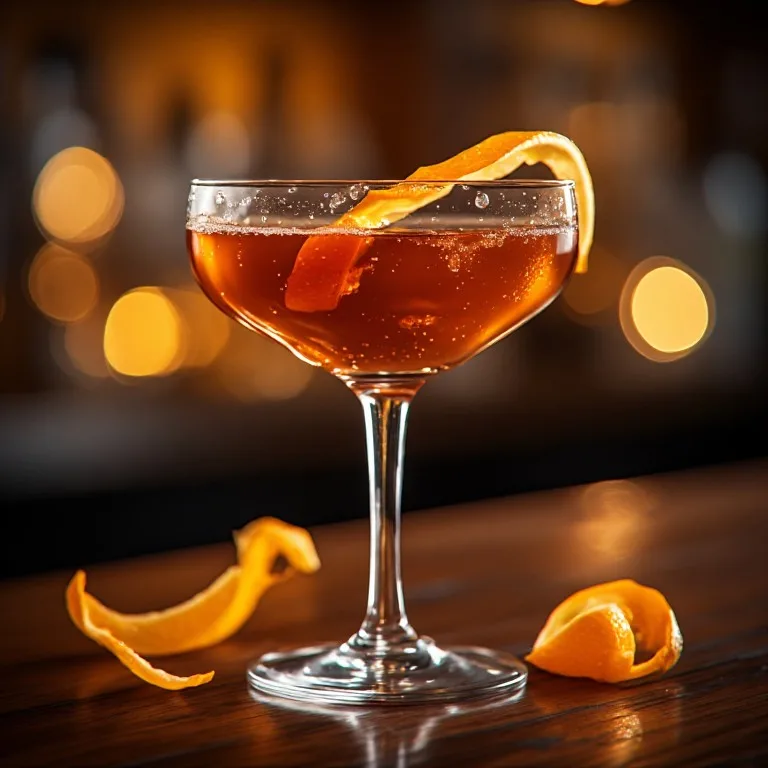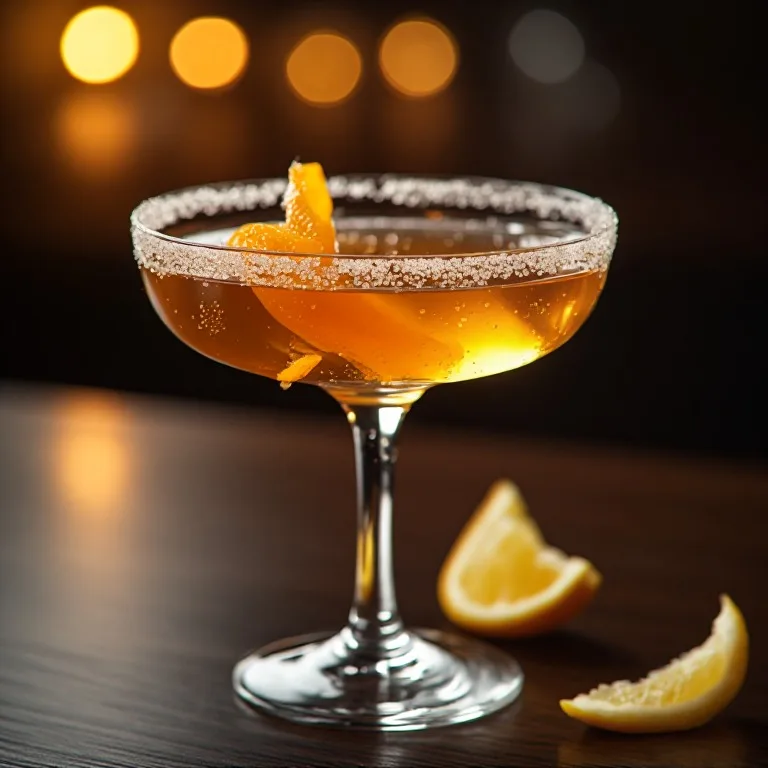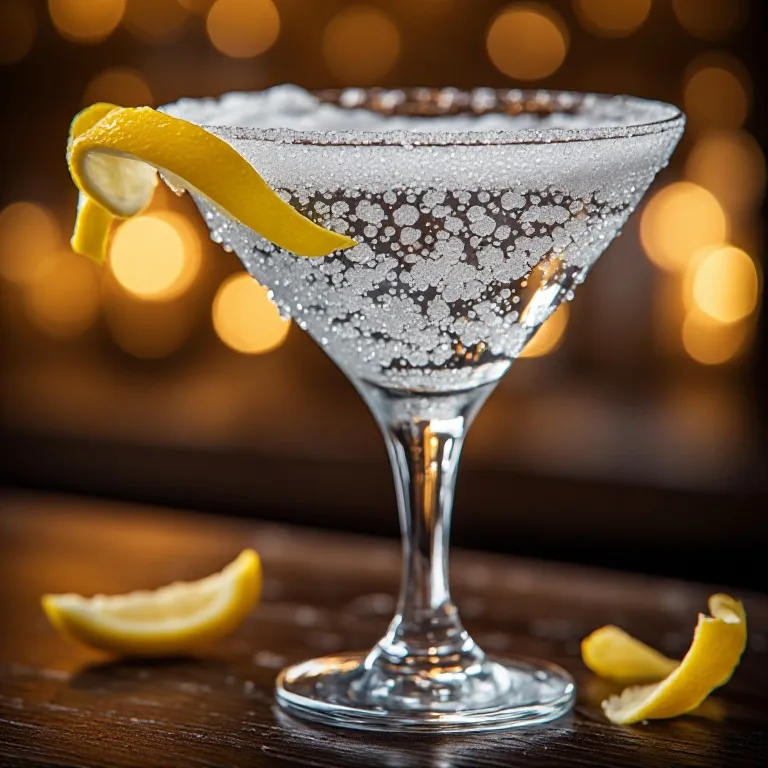
The Dukes Martini removes the action most people associate with making a martini. There is no shaker, mixing glass or ice. A bartender rolls a trolley to the table, coats a frozen glass with vermouth, pours in freezer-cold spirit and releases lemon oil across the surface.
It is simple, theatrical and extremely strong. Because no melting ice enters the glass, the finished drink remains close to bottling strength. Temperature and lemon aroma have to do the balancing work normally supplied by dilution.
What Dukes Bar Actually Serves
Dukes London describes its martinis as made with frozen glasses, even colder spirits and no ice. The bar still welcomes walk-in guests during the hotel’s current refurbishment, and its official page continues to make the martini experience its centerpiece.
There is no single public measurement that captures every serve. A recipe shared by longtime bar manager Alessandro Palazzi calls for 85 ml of No.3 Gin and 1 teaspoon of extra-dry vermouth. Another published bar recipe uses 4 oz gin and four dashes of vermouth. Palazzi has also described the house martini as five shots of pure spirit and explained the bar’s two-Martini limit.
This home version rounds the smaller 85 ml formula to an easy 3 oz. It remains more than twice the alcohol in a typical US standard drink. The large bar serve is history worth understanding, not a challenge to match.
The Fleming Connection, Without the Myth
Ian Fleming drank at Dukes, and the hotel’s St. James’s setting is closely woven into its James Bond reputation. That connection does not mean today’s Dukes Martini is the Vesper from Casino Royale. Fleming’s 1953 Vesper combines gin, vodka and Kina Lillet and is shaken with ice. The Dukes classic here is gin, dry vermouth and lemon, poured from the freezer without ice.
The Oxford Companion to Spirits & Cocktails calls the claim that Dukes bartender Gilberto Preti created the Vesper a myth because Fleming’s recipe predates Preti’s tenure. The present ritual is more credibly linked to generations of Dukes bartenders. Salvatore Calabrese helped establish the freezer-pour style, and Palazzi, bar manager since 2007, refined its tableside ceremony and emphasis on English vermouth and Amalfi lemon.
Why Typical Copycats Fail
The first failure is using merely chilled gin. A refrigerator is usually around 40°F (4°C), while a freezer is much colder. With no ice to finish the job, refrigerator-cold spirit produces a sharp, warm-tasting drink.
The second is substituting a quick vermouth rinse with no measurable amount. One teaspoon is already tiny beside three ounces of gin. Measure it, coat the glass completely and decide whether to discard only the excess. Vermouth should register as a faint herbal edge, not disappear through guesswork.
The third is treating the lemon as decoration. Palazzi emphasizes the aroma of the expressed peel. Because the cold spirit is viscous, fresh oil floats at the surface and reaches the nose before the gin does. Use unwaxed fruit and cut a broad strip with minimal white pith.
The Key Technique: Freeze, Then Build
Place a sturdy martini glass and the gin in the freezer the night before. Keep vermouth in the refrigerator, where an open bottle stays fresher than it would on a bar cart. The next day, add the vermouth to the glass and rotate it three times.
Pour the gin slowly down the inside of the glass. Do not stir. Pinch the lemon peel gently over the surface, then sweep it around the rim. This is one drink to serve immediately and sip slowly. As it warms, the juniper and citrus open while the texture becomes less dense.
Batch the Temperature, Not the Drinks
A Dukes Martini does not benefit from a room-temperature pitcher. The useful batch preparation is simply putting enough gin and clean glasses in the freezer before guests arrive. Keep the vermouth cold and cut each lemon peel only when needed so its oils remain vivid.
If serving four smaller home portions, measure 12 oz (360 ml) gin into a freezer-safe bottle and chill overnight. At service, coat each frozen glass with its own teaspoon of vermouth, pour 3 oz gin and express a fresh peel. Do not add water: the lack of dilution is the defining Dukes choice. Also do not encourage consecutive rounds. Each serving here contains about 2.4 standard drinks.
The St. James’s Freezer Martini
Zero-proof gin alternatives often become slushy or freeze solid because they lack alcohol. Refrigerate the bottle instead of freezing it, then rely on a deeply frozen glass for the temperature. Choose products explicitly labeled 0.0% if complete alcohol avoidance matters.
A 0.0% dry aperitif supplies the wine-like botanical note, and two drops of saline extend the finish. Lemon remains essential. The mocktail will not copy gin’s heat or oily weight, but it preserves the cold, juniper-led aroma and deliberate tableside simplicity that make the original recognizable.
The Dukes method proves that technique can be an ingredient. Freeze everything that should be cold, measure the whisper of vermouth and let one fresh lemon peel announce the drink.
See more famous-bar cocktail recipes →