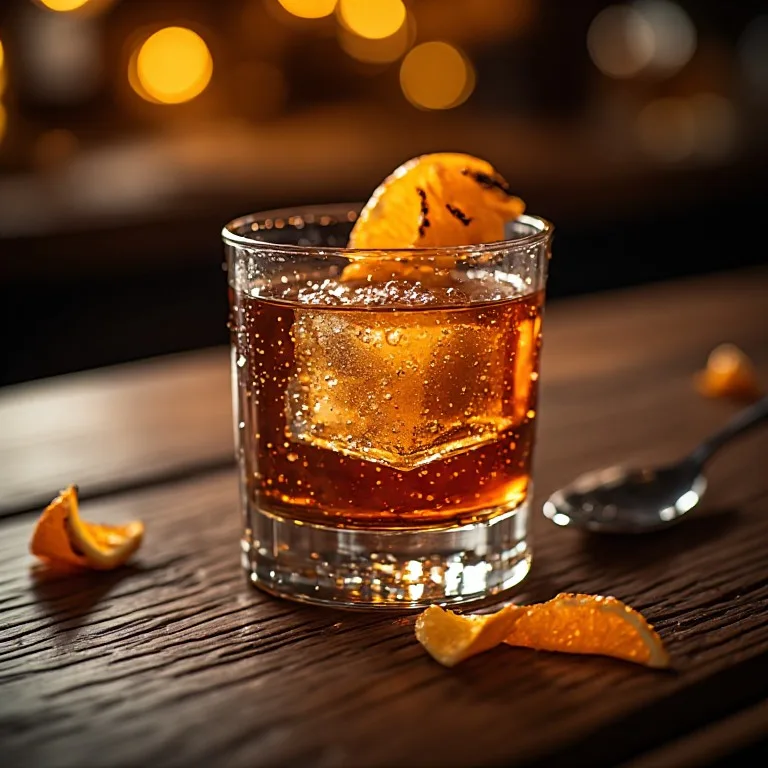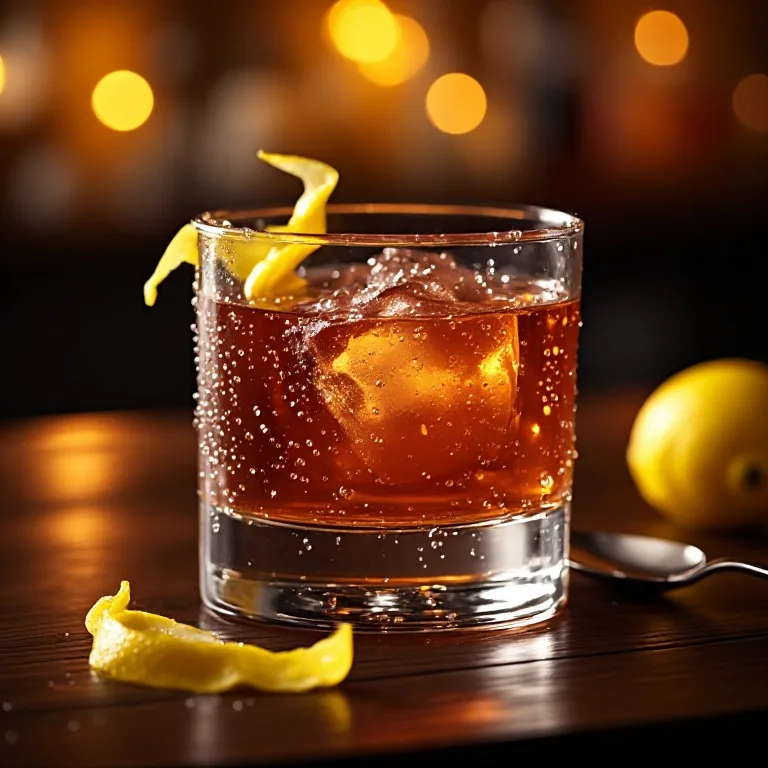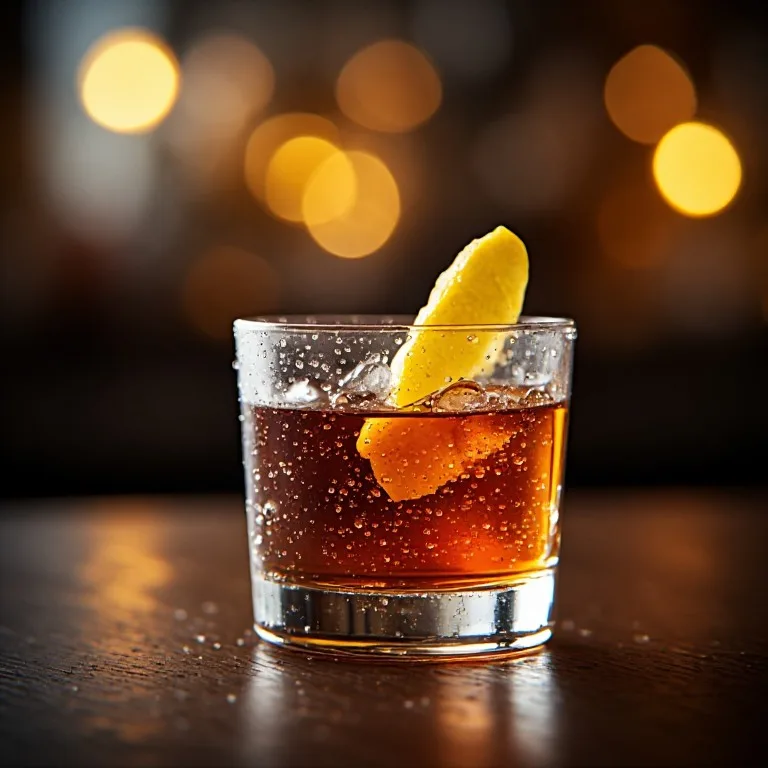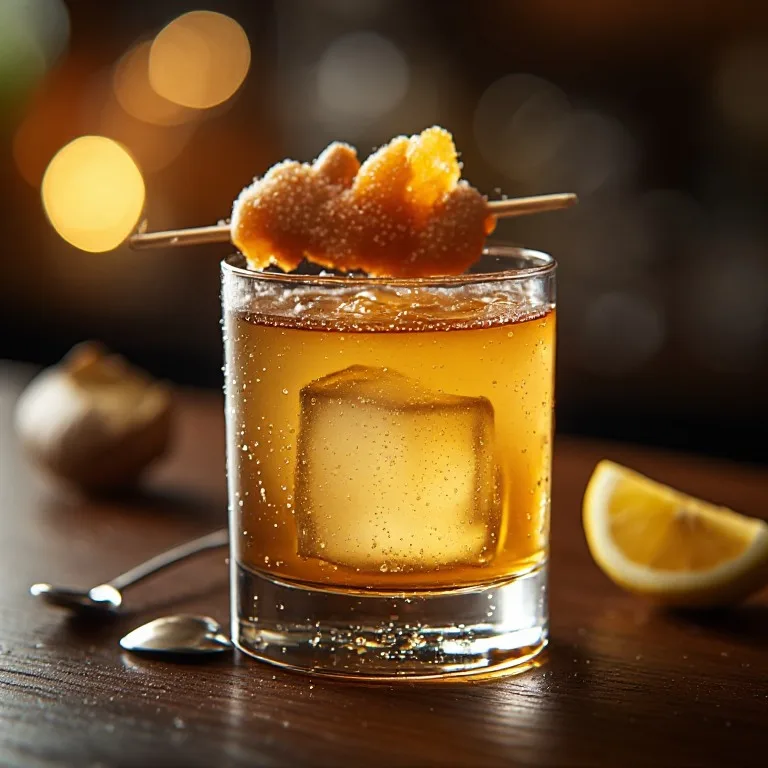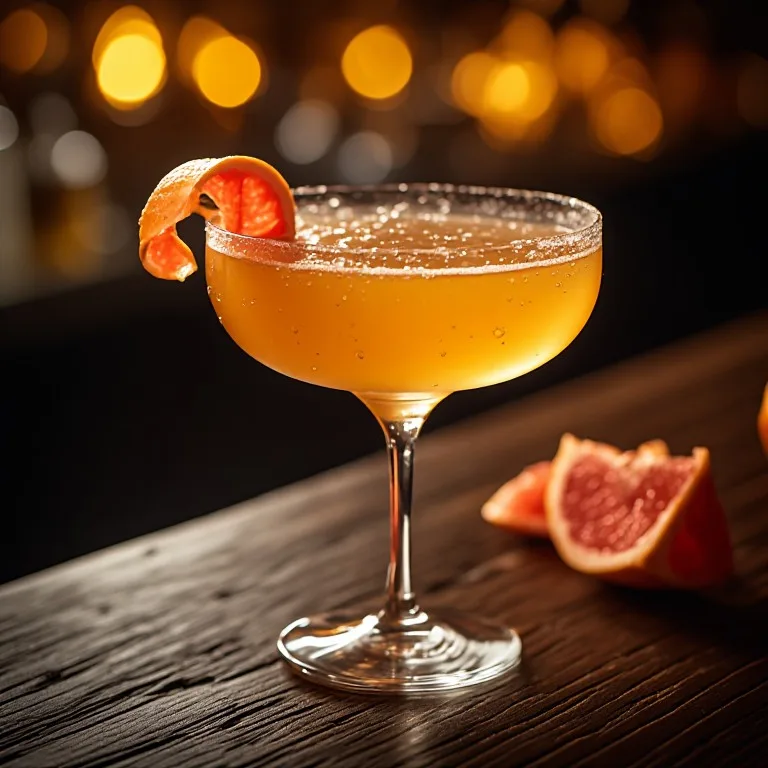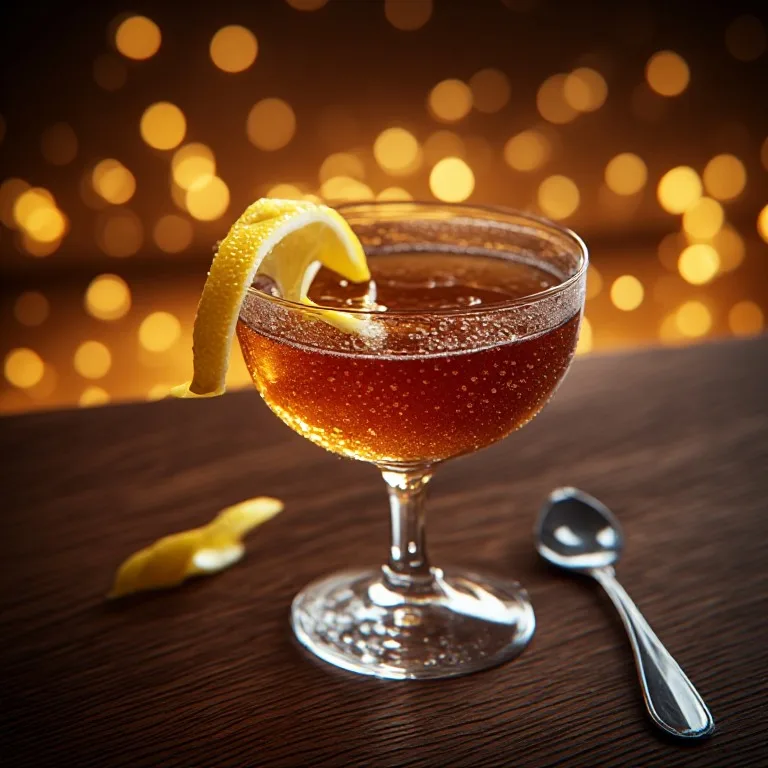
The Rob Roy is usually explained in one sentence: it is a Manhattan made with Scotch. The Waldorf Astoria New York has long claimed a deeper connection, placing its creation at the original hotel around 1894. When the restored hotel reopened in 2025, Peacock Alley put the name back on the menu in an extravagant new form.
What Peacock Alley Serves Now
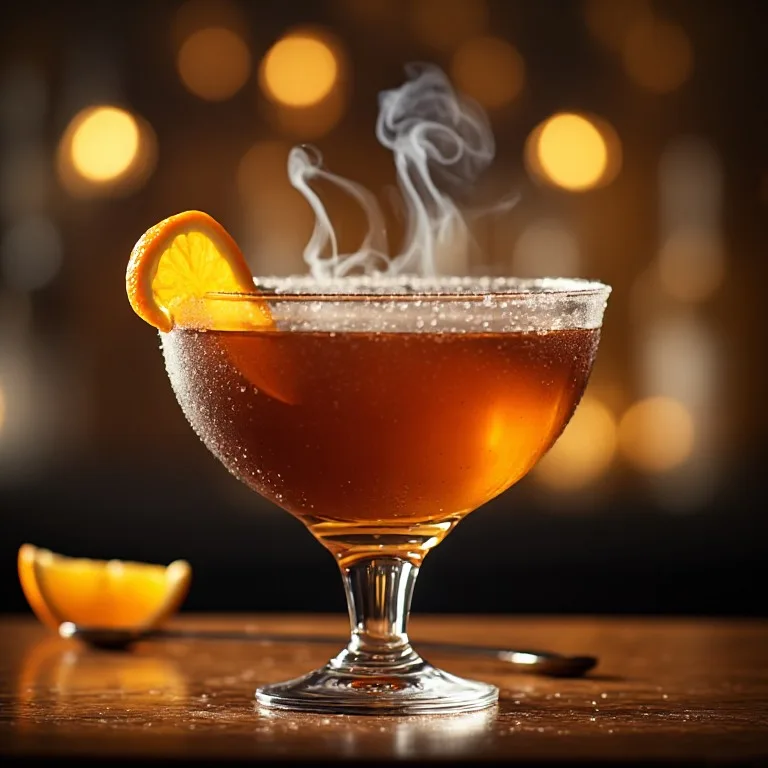
The current drink is the Reserve Rob Roy, a $75 tableside presentation. Peacock Alley’s menu lists Yamazaki Distiller’s Edition Japanese whisky, Cocchi Vermouth di Torino, Cocchi La Venaria Reale Riserva and Bénédictine; press coverage also describes a cloud of ginger smoke. The exact formula has not been published.
That means it is not technically a classic Rob Roy, because there is no Scotch in it. It is Peacock Alley’s modern tribute to the drink associated with the hotel. La Venaria Reale Riserva is a rare, limited-production vermouth, so the recipe allows another rich reserve sweet vermouth when it cannot be found. It is a reconstruction, not the hotel’s official recipe.
The Origin Story Is Not Settled
The familiar account says a Waldorf bartender created the Rob Roy when Reginald De Koven’s operetta of the same name opened nearby in 1894. Scotch replaced the American whiskey in a Manhattan, making the Scottish name a neat fit. Former Waldorf beverage director Frank Caiafa has repeated that history, and the hotel still identifies the drink as one of its classics.
Cocktail research complicates the story. A drink called Rob Roy appeared in print as early as 1873, although it was not the Scotch-and-vermouth drink we recognize. The Oxford Companion to Spirits & Cocktails also documents a credible account crediting bartender Henry August Orphal at Duke’s House in Hoboken around the time of the operetta. By the end of 1895, the modern-style drink was circulating. The Waldorf connection is famous and plausible, but it is not proven beyond dispute.
Why Typical Rob Roys Taste Flat
A Rob Roy has nowhere for tired ingredients to hide. Four choices make the difference:
- Use fresh vermouth. Once opened, refrigerate it. A bottle left on a shelf for months tastes dull and oxidized.
- Choose restrained whisky. Heavy peat can bulldoze the vermouth and liqueurs. A balanced Japanese whisky suits this variation.
- Measure the herbal accents. Bénédictine is sweet and intense. A teaspoon adds honeyed spice; a half-ounce takes over.
- Stir long enough. The drink needs water as well as cold. Under-diluted whisky cocktails taste hot and disjointed.
The Key Technique: Controlled Dilution
Fill the mixing glass generously with hard, cold ice and stir for 25 to 30 seconds. You are looking for roughly three-quarters of an ounce of dilution. That water opens the whisky, integrates the two vermouths and keeps the Bénédictine from tasting like a separate sweet addition.
Ginger smoke is theater, but it also changes the first aroma. If you use it, smolder a paper-thin slice on a fireproof saucer and capture the smoke in the cold glass for only 10 seconds. Too much smoke makes everything taste burnt. An expressed orange peel gives a safer and more important aromatic finish.
Make Four in Advance
Combine 1 cup Japanese whisky, 2 oz sweet vermouth, 1 oz reserve vermouth, 4 tsp Bénédictine and 3 oz cold water in a sealed bottle. Refrigerate for at least two hours. Pour about 3½ oz into each chilled glass and garnish with fresh orange peel.
The added water replaces the dilution you would normally get from stirring. Do not batch the orange peel or ginger smoke; those aromas are best added to each glass at serving time.
The Classic Version
If you want the drink that built the Rob Roy’s reputation, use 2 oz blended Scotch, 1 oz sweet vermouth and 2 dashes Angostura bitters. Stir, strain and garnish with a cherry or orange twist. Early ratios varied, and some versions used orange bitters or equal parts whisky and vermouth, so even the classic has never had only one immutable spec.
The Mocktail: Clocktower Roy
Removing whisky and vermouth from a Rob Roy removes almost the entire drink. The Clocktower Roy rebuilds its structure instead of merely substituting juice. A zero-proof whisky alternative supplies oak and spice, Assam tea adds tannin, red verjus brings wine-like acidity, and maple contributes the small amount of sweetness normally found in vermouth and Bénédictine. Ginger and orange deliver the aroma.
Serve either version very cold. This is a slow, spirit-forward drink, not a tall refresher.
See more famous bar and hotel cocktails →