Pin It

Algonquin Hotel Cocktail: Rye, Pineapple and a Literary Mystery

More like this: Bruno's Revolver: Bourbon, Coffee Liqueur and a Flamed Orange, Manhattan: The Equal-Parts Whiskey and Vermouth the Club Wrote Down, Milk & Honey Red Hook: Rye, Punt e Mes and Maraschino, Violet Hour Paper Plane: Equal Parts Bourbon, Aperol and Lemon, and Capital Grille Blackberry Bourbon Sidecar: Bourbon, Berries and Fresh Thyme.

Last updated November 9, 2026

Algonquin Hotel Cocktail: Rye, Pineapple and a Literary Mystery
The specStrong
Spirit
Whiskey
Glass
Coupe
Method
Shaken
Garnish
Small pineapple leaf or wedge
ABV (est.)
~20%
Standard drinks
1.4

1 US standard drink = 0.6 oz (14 g) pure alcohol. Estimates assume normal dilution.Make it a mocktail →

Jump to Recipe
Prep 5 min Serves 1 cocktail

Algonquin Hotel Cocktail: Rye, Pineapple and a Literary Mystery

Make the classic Algonquin Cocktail with rye, dry vermouth and pineapple, plus a zero-proof version and the drink's uncertain hotel history.

Easy Prep: 5 min1 cocktail servings ~$1.75/serving
Prep5 min
Servings
1

Is it cheaper to make at home?

At home~$1.75/serving
vs
Restaurant~$7.88/serving
You save ~78%

What's the story behind this drink?

Make the classic Algonquin Cocktail with rye, dry vermouth and pineapple, plus a zero-proof version and the drink's uncertain hotel history.

Nutrition Facts

Per serving (1 cocktail servings)
Calories180
Total Fat0g
Total Carbs10g
Dietary Fiber0g
Sugars7g
Protein0g
Sodium5mg

* Estimated values based on standard recipe preparation. Actual values may vary.

Ingredients

Instructions

What makes this work?

💡
Pro tip: Chill your glass and use fresh citrus squeezed the same day. Taste before you pour; a few drops of lime or simple syrup fixes most balance issues.
❄️
Batching: Mix everything except ice and bubbles up to a day ahead and keep it in the fridge. Shake or stir each drink with ice to order. Fresh citrus is best within 24 hours.
Make it a mocktail · zero proof

Algonquin Cocktail Mocktail

A 0.0% whiskey alternative and strong black tea replace rye's oak and tannin. White verjus keeps the pineapple dry and wine-like without relying on alcoholic bitters.

Ingredients

  • 1 1/4 oz (37 ml) 0.0% whiskey alternative
  • 1/2 oz (15 ml) strong black tea, chilled
  • 3/4 oz (22 ml) white verjus
  • 3/4 oz (22 ml) unsweetened pineapple juice
  • 1 small pineapple leaf or wedge, for garnish
  • Ice, for shaking

Steps

  1. Shake cold. Add the whiskey alternative, tea, verjus and pineapple juice to an ice-filled shaker. Shake hard for 10 seconds.
  2. Fine-strain. Double-strain into a chilled coupe or Nick & Nora glass.
  3. Finish. Garnish with a small pineapple leaf or wedge and serve immediately.

About 60 calories per drink · 0% ABV

Free PDF: The Copycat Bar Book. 75 copycat cocktails, each with a zero-proof version.

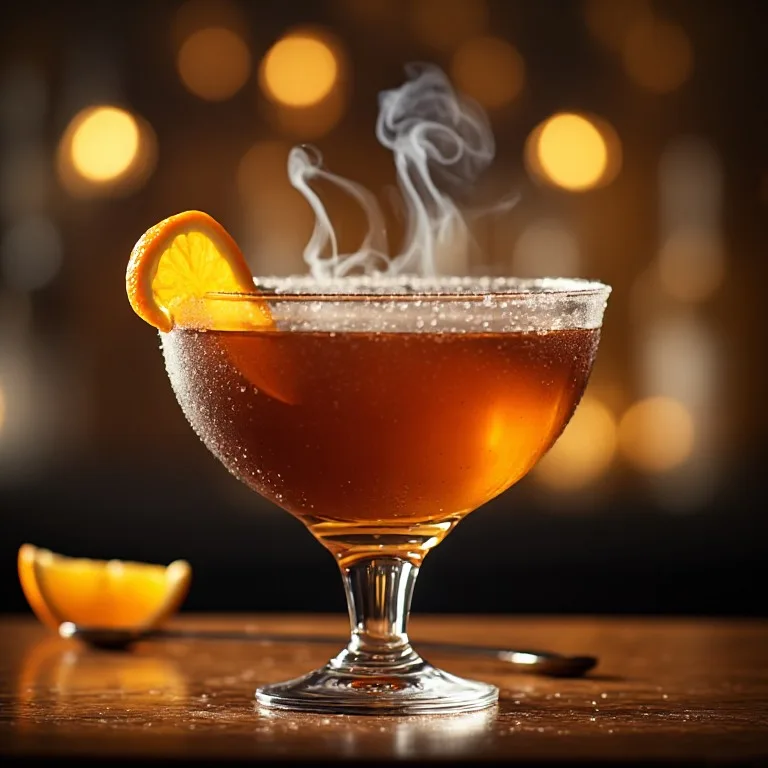
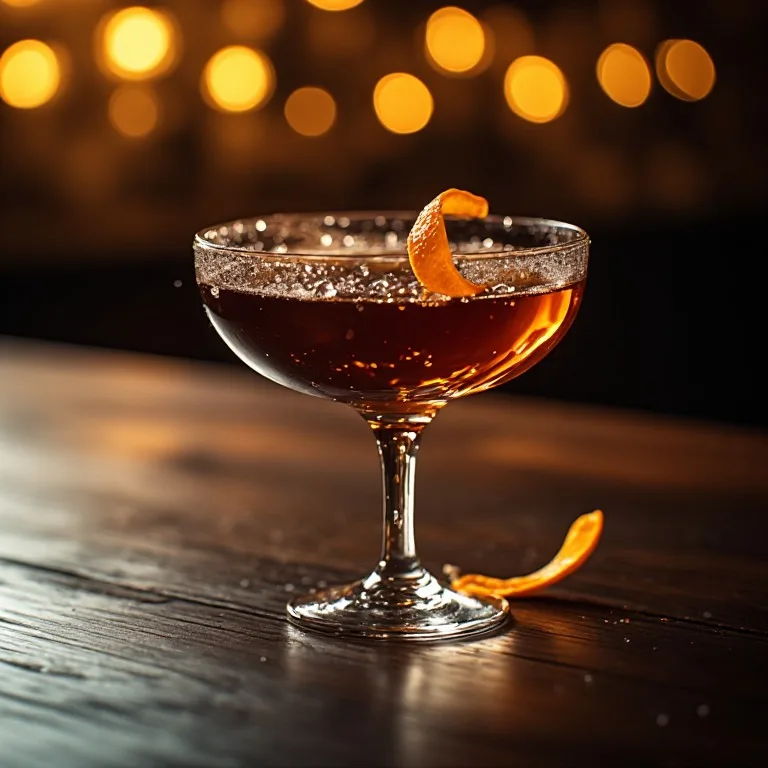
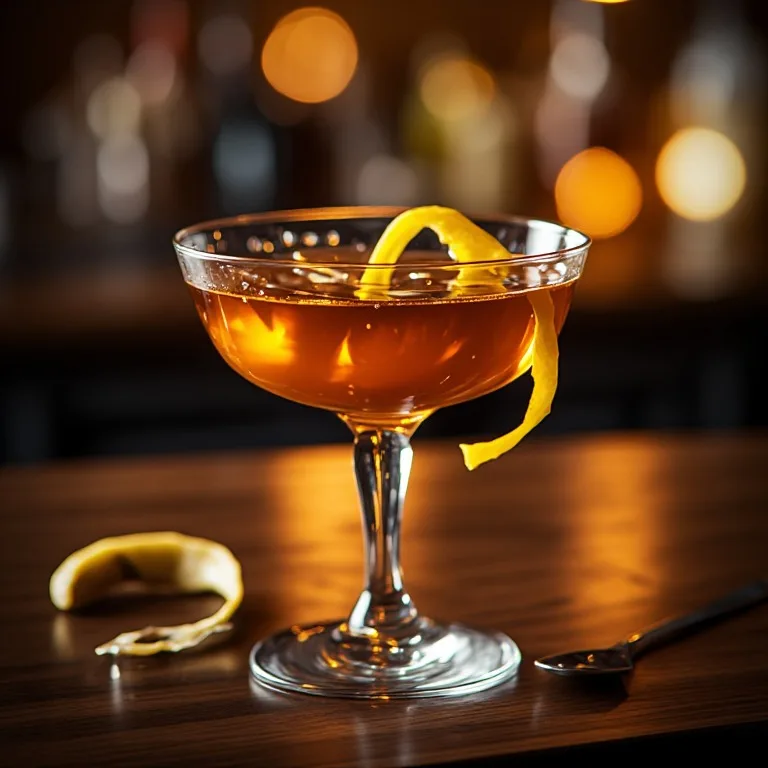
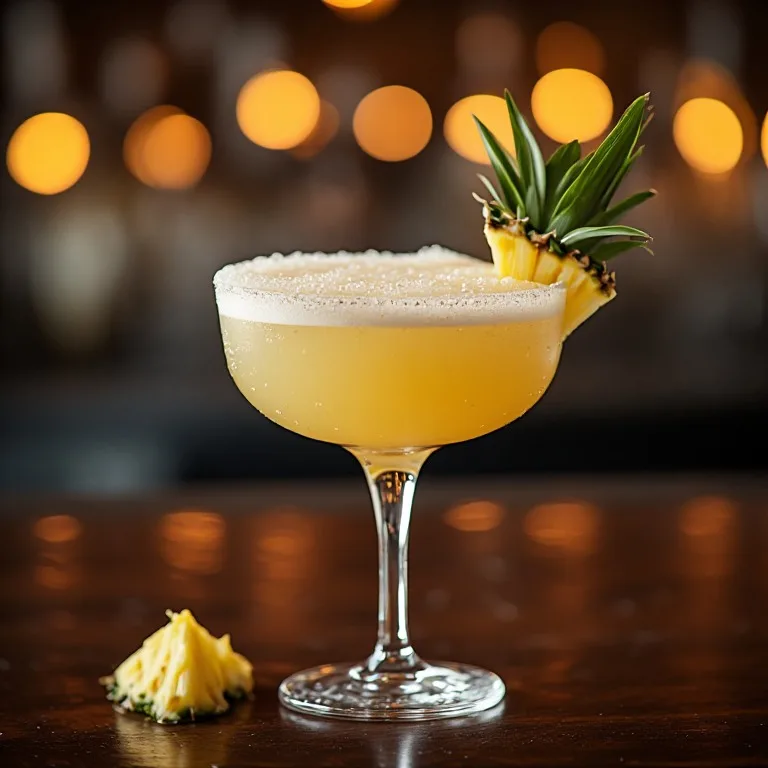
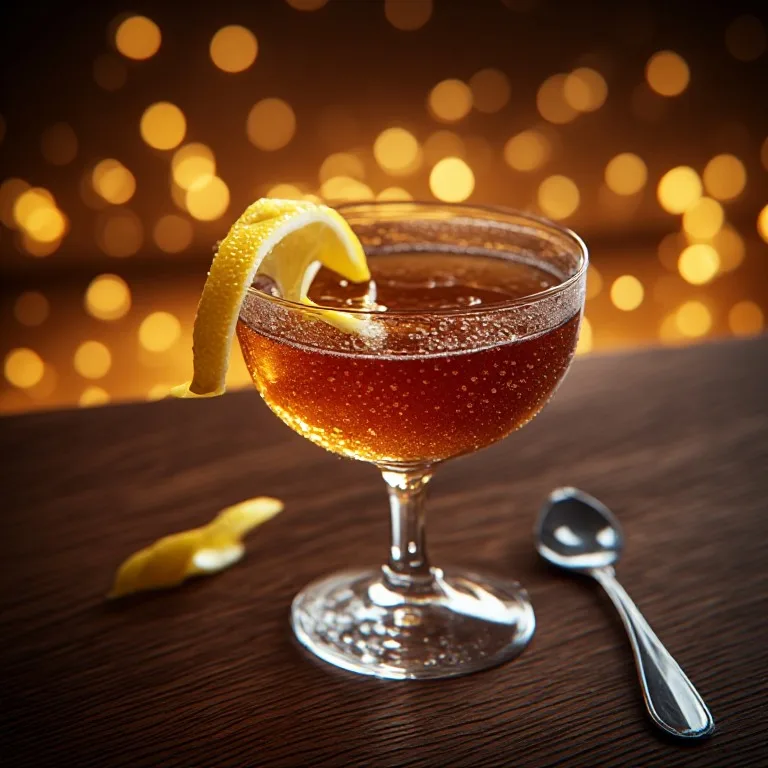
The Algonquin Cocktail looks like someone crossed a dry Manhattan with a tropical drink, then removed nearly all the sweetness. Rye brings spice, dry vermouth contributes herbs and wine, and pineapple supplies both acidity and a restrained fruit note. The result is leaner than its ingredients suggest.

Its story is equally unusual. The name points straight to New York’s Algonquin Hotel, home of the celebrated Round Table writers. The evidence does not point quite as cleanly. The first located printed formula arrived in 1935, after the Round Table’s heyday, and it did not identify a bartender or say where the drink was created.

What the Algonquin Hotel Actually Serves

The Blue Bar is operating at the Algonquin Hotel, and Marriott’s current gallery includes an image captioned “Algonquin Cocktail - Blue Bar Restaurant & Lounge.” That confirms the hotel still publicly claims the cocktail as part of its identity. The current dining page does not disclose the ingredients or price, so its exact 2026 build cannot be verified from the public menu.

The most detailed official hotel menu readily available is from 2019. Its version used Maker’s Mark bourbon, Lo-Fi sweet vermouth and fresh pineapple juice with an orange twist. It cost $36 because it included a limited-edition Round Table coupe. That is a real hotel version, but it is not proof of today’s recipe or price.

This home recipe follows the earlier rye-and-dry-vermouth formula. It is the clearest documented classic, not a claim that a current Blue Bar bartender uses these exact bottles or ounces.

The Origin Is Not Settled

G. Selmer Fougner recorded the “New Algonquin” in Along the Wine Trail in 1935: two parts rye, one part French vermouth and one part pineapple juice. He supplied no backstory, creator, garnish or preparation method.

The hotel connection is plausible, but the familiar tale about Round Table members drinking it at lunch is weak. The hotel was dry during the group’s 1919-to-1929 era. The Blue Bar says it opened in 1933, after Prohibition. Later books also printed entirely different drinks under Algonquin names, adding more confusion.

It is safest to say the cocktail was named for the hotel or its literary circle and was adopted by the hotel. Who first mixed it, where, and exactly when remain unknown.

Why Typical Algonquins Fail

Sweetened pineapple juice can make the drink flat and sticky. Use unsweetened juice, ideally a small can or freshly pressed fruit with enough acidity. Taste it first. If the juice is very sweet, keep the full dry vermouth measure and do not add syrup.

Weak rye disappears beside pineapple. A 90-proof bottle provides enough pepper and oak without turning the drink harsh. Very assertive 100-proof rye also works, but it pushes the serving closer to 1.6 standard drinks.

Old vermouth is another common problem. Refrigerate an opened bottle and replace it when it tastes dull or oxidized. There are only three ingredients here, so tired vermouth has nowhere to hide.

The Key Technique: A Short, Hard Shake

The original recipe does not settle the shake-versus-stir debate. Pineapple juice makes shaking the practical choice. Ten seconds with cold, solid ice creates a thin cap of foam while limiting dilution. Fine-straining catches fibers and broken ice.

Do not chase a tall tiki-style froth. This is still a compact, spirit-forward cocktail. A small pineapple leaf or wedge gives enough aroma without suggesting that the glass contains a sweet tropical punch.

If you prefer the stirred school, stir all three ingredients for about 25 seconds and strain. The drink will be clearer, silkier and less aerated. Both methods have modern precedent; neither can be called the only original method.

Batch Six Algonquin Cocktails

Combine 9 oz (270 ml) rye, 4 1/2 oz (135 ml) dry vermouth and 4 1/2 oz (135 ml) pineapple juice. Refrigerate for no more than four hours because fresh pineapple loses brightness and can separate.

Shake 3 oz (90 ml) of batch with ice for each serving, then fine-strain. For a fully pre-diluted party bottle, add 4 1/2 oz (135 ml) cold water to the batch, chill thoroughly and shake the bottle before pouring 3 3/4 oz (112 ml) per glass. That version will have less foam but faster service.

The Algonquin Mocktail

The mocktail needs dryness more than extra fruit. A 0.0% whiskey alternative forms the base, strong black tea contributes tannin, and white verjus stands in for vermouth’s tart wine character. Pineapple remains at the classic three-quarter-ounce measure.

Use fully chilled tea so it does not over-dilute in the shaker. If complete alcohol avoidance matters, confirm that both the whiskey alternative and verjus are labeled 0.0%; “nonalcoholic” products can sometimes contain trace alcohol.

See all Algonquin Hotel copycat drinks →
Enjoy responsibly. Must be 21+. One US standard drink is about 0.6 fl oz of pure alcohol (National Institute on Alcohol Abuse and Alcoholism: What Is a Standard Drink?).

Sources

Free · Personalized PDF · BetaAdd Algonquin Hotel Cocktail: Rye, Pineapple and a Literary Mystery to your free custom bar bookLoved this one? Start a personalized PDF bar book of your favorite copycat cocktails (mocktail versions included) — we build it and email it to you, free while in beta.Add this recipe →

What equipment do you need?

Cocktail shaker

Chills the drink and gives fresh pineapple juice a light, even foam

Jigger

Preserves the earliest documented two-to-one-to-one ratio

Fine-mesh strainer

Catches pineapple fibers for a cleaner served-up cocktail

Coupe or Nick & Nora glass

Keeps the compact classic cold without adding more dilution

Common questions

What is in an Algonquin Cocktail?

The earliest located recipe, printed as the New Algonquin in 1935, calls for two parts rye, one part French dry vermouth and one part pineapple juice. This recipe translates that ratio to 1 1/2 oz rye and 3/4 oz each vermouth and pineapple.

Was the Algonquin Cocktail invented at the Algonquin Hotel?

That is widely repeated but not proven. No verified creator or hotel record establishing its invention has surfaced, and the hotel was dry during the famous Round Table years. The first located print recipe appeared in 1935, after the Blue Bar opened in 1933.

Is the Algonquin Cocktail currently served at the hotel?

Marriott's current Algonquin Hotel gallery labels a drink as the Algonquin Cocktail, so the hotel still publicly associates itself with the drink. However, the current public dining page does not provide its ingredients or price. Call the Blue Bar before visiting if that specific cocktail matters to you.

Why does this recipe use rye instead of bourbon?

Rye and dry vermouth are the 1935 published formula. A 2019 official hotel menu instead listed Maker's Mark bourbon, sweet vermouth and fresh pineapple juice, showing that the hotel's house version has changed over time.

Should an Algonquin be shaken or stirred?

The 1935 recipe gives proportions but no method. Later sources disagree. Shaking is used here because pineapple juice aerates and chills more evenly that way; stir if you prefer a silkier drink with little foam.

How strong is an Algonquin Cocktail?

With 90-proof rye and 18% ABV dry vermouth, it contains about 1.4 US standard drinks. After normal shaking dilution, the finished drink is estimated at 20% ABV.

How do I make an Algonquin mocktail?

Use a 0.0% whiskey alternative with chilled black tea, pineapple juice and white verjus. The tea supplies tannin, while verjus replaces vermouth's dry acidity without bitters or alcohol.

Free PDF · 75 cocktails · Zero-proof versions

Love this one? Get all 75 in the free Copycat Bar Book.

The 75 copycat cocktails people order most, chapters by spirit, with a zero-proof version of every drink. Free download.

Get the Bar Book →

Love this recipe? Share it!

Free PDF: The Copycat Bar Book. 75 copycat cocktails, each with a zero-proof version.

What do readers say?

—
No ratings yet

Rate this recipe

Click a star to rate

Leave a Review

0/500

AB

Ankit Bhasin

Every drink on Copycat Cocktail is researched against what the restaurant or bar actually serves, specced in ounces, and paired with a zero-proof mocktail version. Where history or specs are uncertain, we say so.

Learn more about our mission →