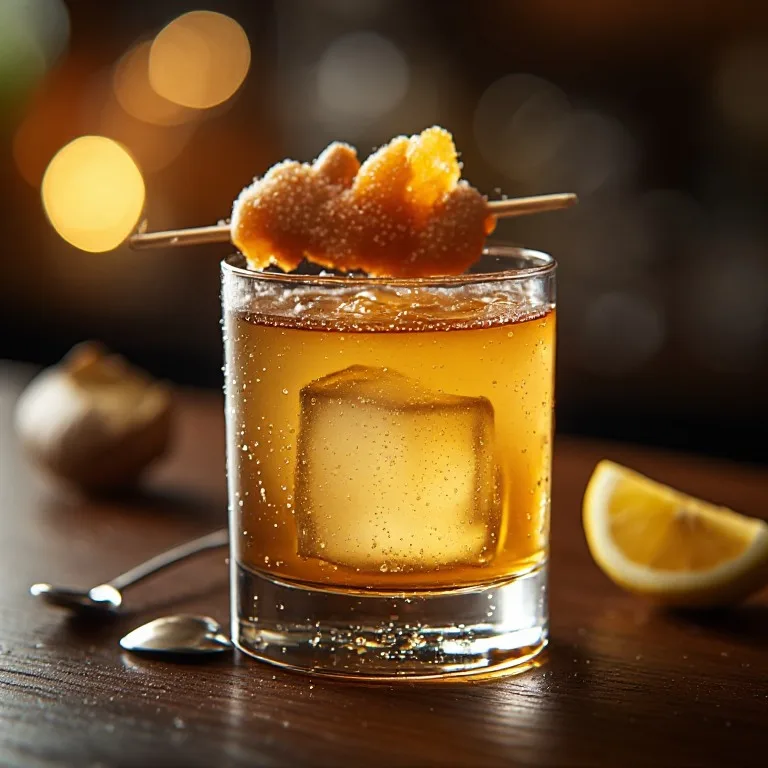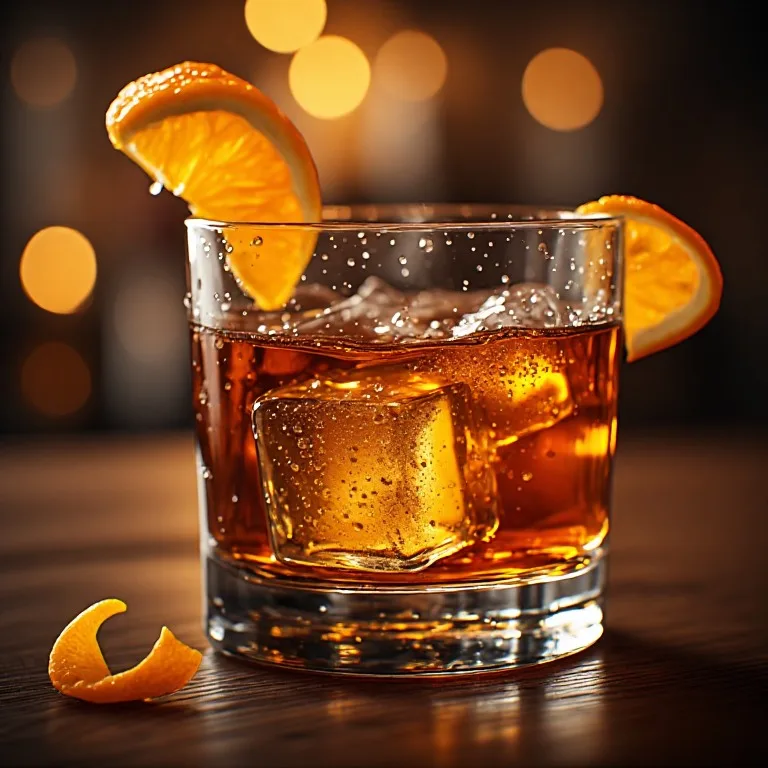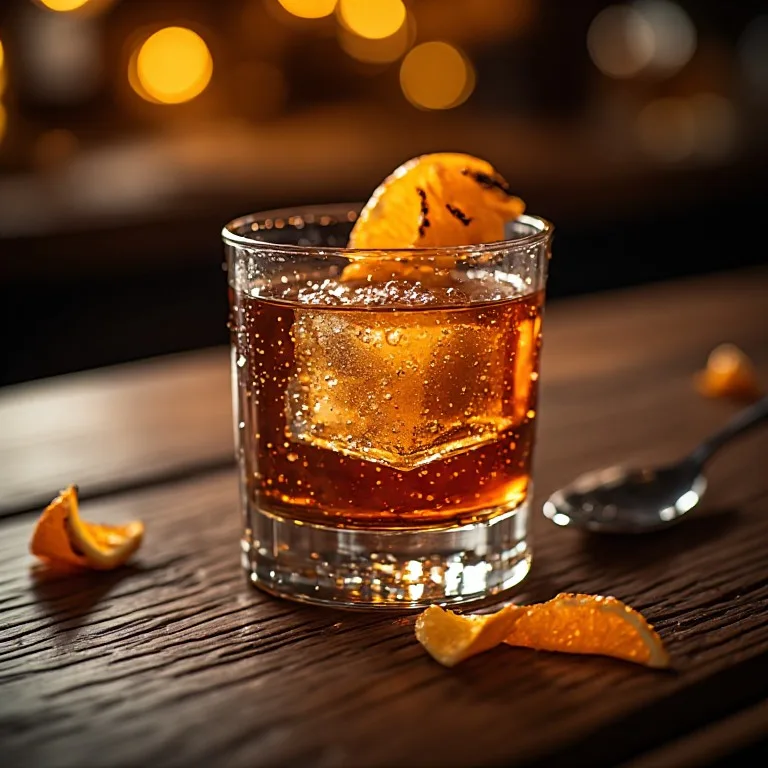
The Gold Rush tastes older than it is. Bourbon, lemon and honey sound like ingredients from a nineteenth-century saloon, yet the drink emerged from New York’s turn-of-the-millennium cocktail revival. Its simplicity is the point: three ingredients expose every choice, from the bourbon’s proof to the honey syrup’s concentration.
The drink is often loosely attached to Sasha Petraske, and understandably so. It was first made at his bar Milk & Honey with syrup his team had on hand. The idea and name, however, belong to Petraske’s friend T.J. Siegal, who asked for honey syrup in his bourbon sour.
What Milk & Honey Actually Served
Milk & Honey did not rely on a conventional printed menu. Bartenders learned a guest’s preferences and made an appropriate drink, which means there is no dependable opening-menu description or historical menu price for the Gold Rush.
Siegal’s account gives the clearest picture. He stopped at Milk & Honey after work and ordered his usual bourbon sour while the bar was experimenting with honey syrup for a Honeysuckle. He asked Petraske to use that syrup instead of ordinary sweetener. The likely first bourbon was Knob Creek; Elijah Craig 12 Year soon became the house choice.
A modern recipe adapted from Siegal calls for 2 ounces of bourbon and 3/4 ounce each of lemon and 3:1 honey syrup. That is the basis here. Some published versions use a thinner 1:1 syrup or as much as one ounce of honey syrup, so two Gold Rushes can taste surprisingly different despite identical ingredient lists.
The Origin Story, With the Venue Corrected
The backlog paired the Gold Rush with Little Branch and Sasha Petraske. Little Branch was indeed part of Petraske’s influential family of bars, but it was not the birthplace of this drink. Milk & Honey is the documented venue, and T.J. Siegal is the documented creator.
The year is less certain. Siegal’s first-person account published in 2024 says 2000. Other respected references give 2001. The responsible conclusion is that the Gold Rush emerged at Milk & Honey in the early 2000s, not that one disputed year has been proven.
The bar has since closed, so there is no current Milk & Honey availability or price to quote. The Gold Rush survives as a modern classic served widely beyond its birthplace.
Why Typical Gold Rushes Miss
Thin honey syrup is the first problem. A one-to-one mixture works, but it adds more water and less honey character. Milk & Honey’s rich three-to-one syrup produces a silkier texture and a concentrated floral note without increasing the measured volume.
Bottled lemon juice is the second problem. The drink has nowhere to hide stale citrus. Squeeze the lemon shortly before shaking and strain out seeds, but do not obsess over filtering every bit of pulp.
Finally, under-shaking leaves dense syrup near the bottom and bourbon heat at the top. A hard 12-second shake supplies the dilution and integration that three ingredients need.
The Key Technique: Control the Honey
Measure honey and warm water by volume, stir until completely uniform and let the syrup cool. Warm syrup melts ice too quickly, while cold undiluted honey can seize against the shaker wall.
Honey varies by season and producer. A dark buckwheat honey can dominate; a mild clover or wildflower honey stays closer to the familiar bar profile. If using a particularly assertive honey, start with 1/2 ounce of syrup and adjust on the next round.
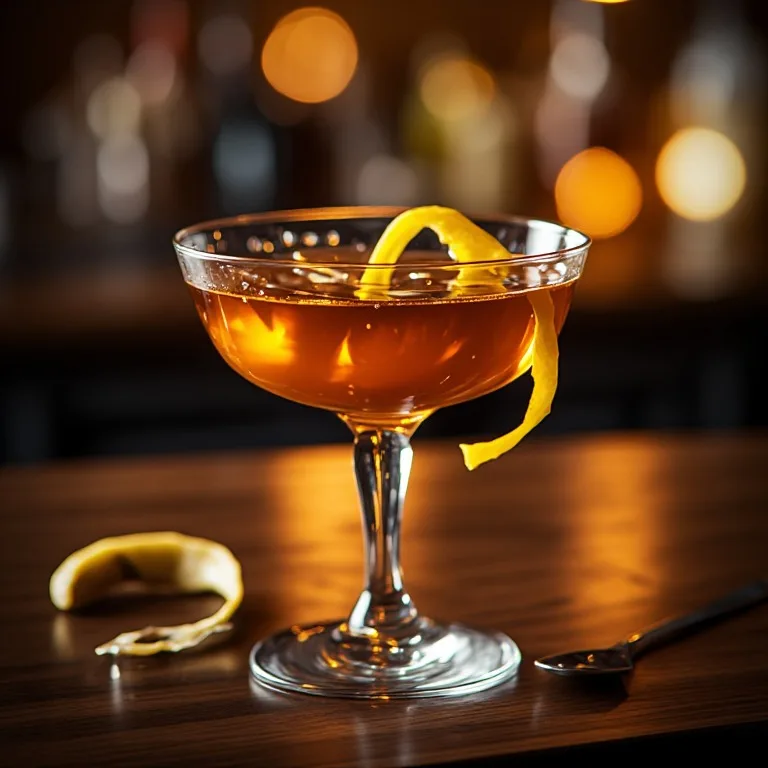
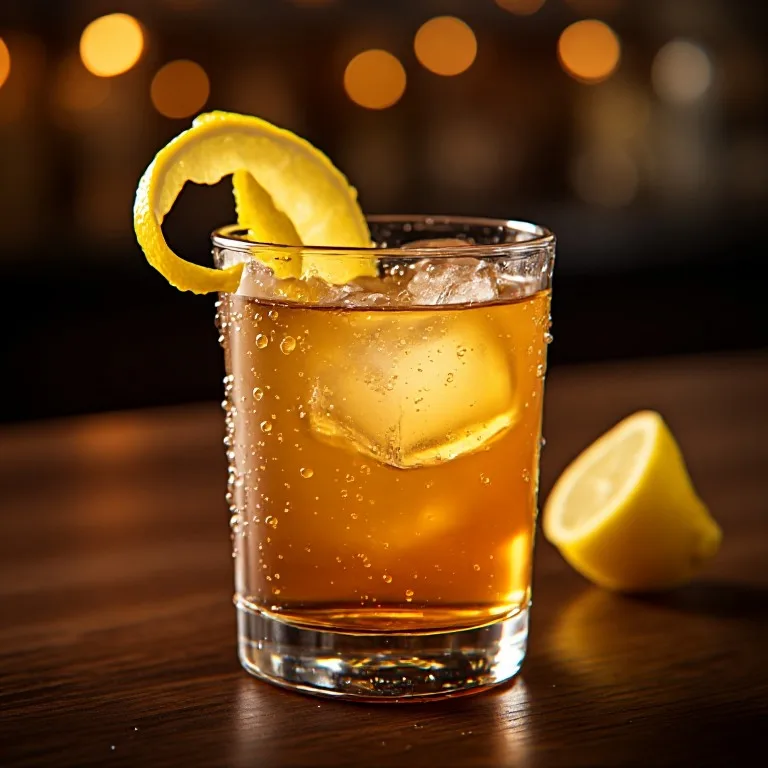
Serve the drink over one large cube when possible. Slow dilution preserves the balance longer than small wet ice. Expressing lemon oil over the top sharpens the first sip without adding more acid.
Batch Eight Gold Rushes
Combine 16 oz (480 ml) bourbon, 6 oz (180 ml) fresh lemon juice and 6 oz (180 ml) rich honey syrup in a sealed pitcher. Refrigerate for no more than one day because fresh lemon loses its brightness.
For each drink, shake 3 1/2 oz (105 ml) of the batch hard with ice and strain over a fresh large cube. Do not simply pour the batch from the refrigerator: shaking supplies necessary dilution and gives the sour a lighter texture.
The Gilded Hour Mocktail
Tea, apple, lemon and honey create structure without copying bourbon flavor literally. Brew the decaf tea at double strength and chill it completely. Cloudy unsweetened apple juice adds fruit and weight, while a pinch of salt makes the honey taste fuller without making the drink salty.
This mocktail is alcohol-free by construction and needs no imitation spirit. As with the cocktail, the quality of the lemon and honey matters more than adding more ingredients.
The Gold Rush became a classic because its balance is easy to understand and difficult to improve. Treat the honey carefully, shake with purpose and keep the origin credit where it belongs.
See more famous bar and hotel cocktails →