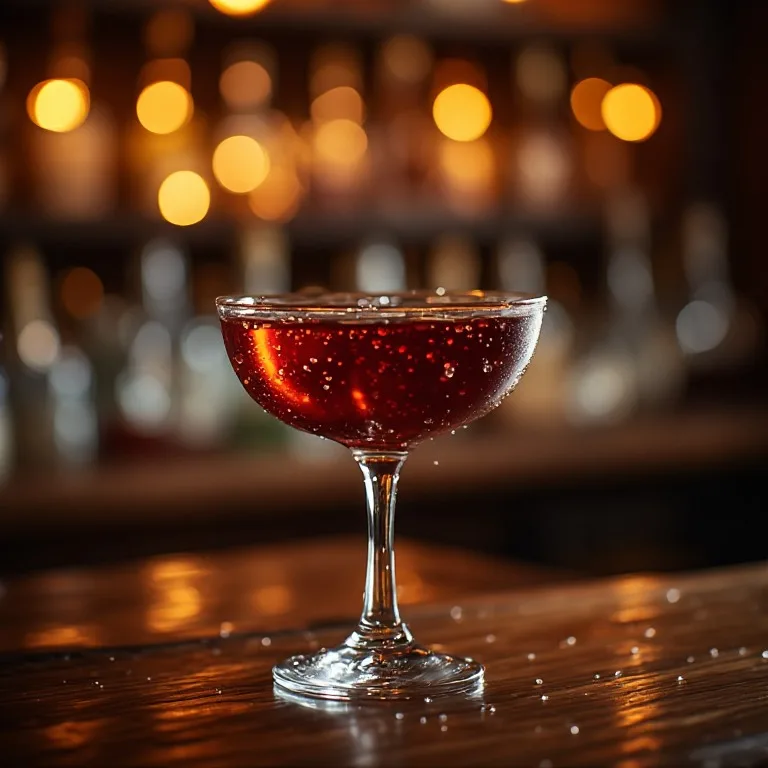
The Greenpoint is what happens when a Manhattan takes a turn toward alpine herbs and honey. Rye still leads, but yellow Chartreuse softens its spice with floral, saffron-like and gently bitter notes. Sweet vermouth fills the middle, while aromatic and orange bitters keep the finish disciplined.
Michael McIlroy created the drink at New York’s Milk & Honey during the mid-2000s. It became part of a loose map of Brooklyn neighborhood cocktails built on whiskey, vermouth and liqueur. The formula is now widely published, even though details of the first version are not completely uniform.
What Milk & Honey Actually Served
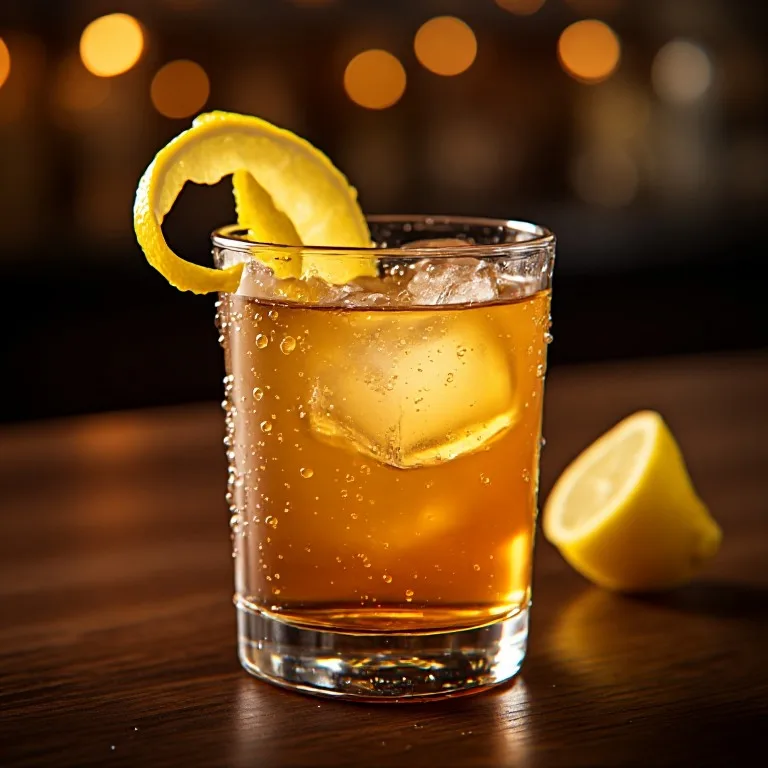
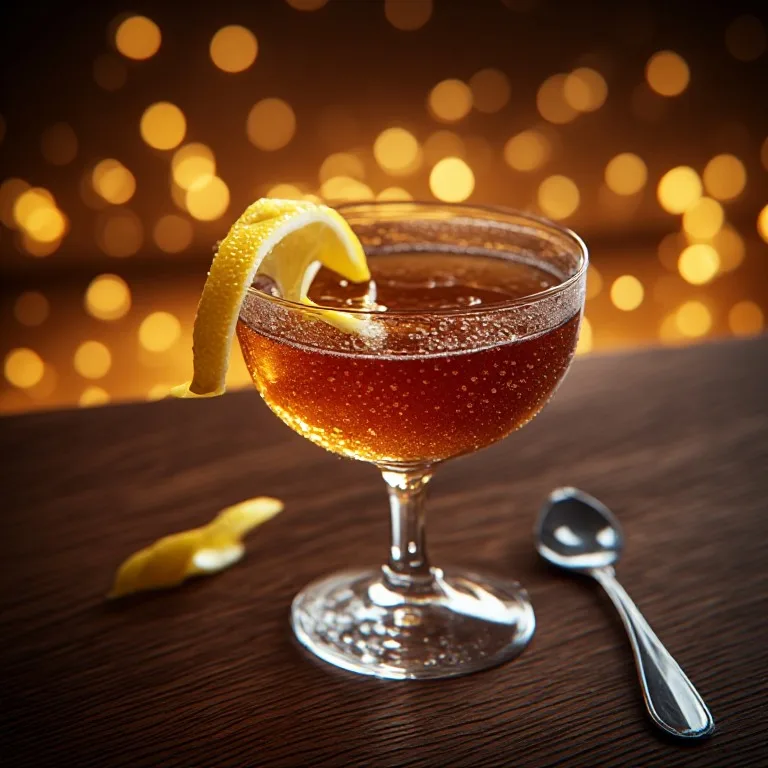
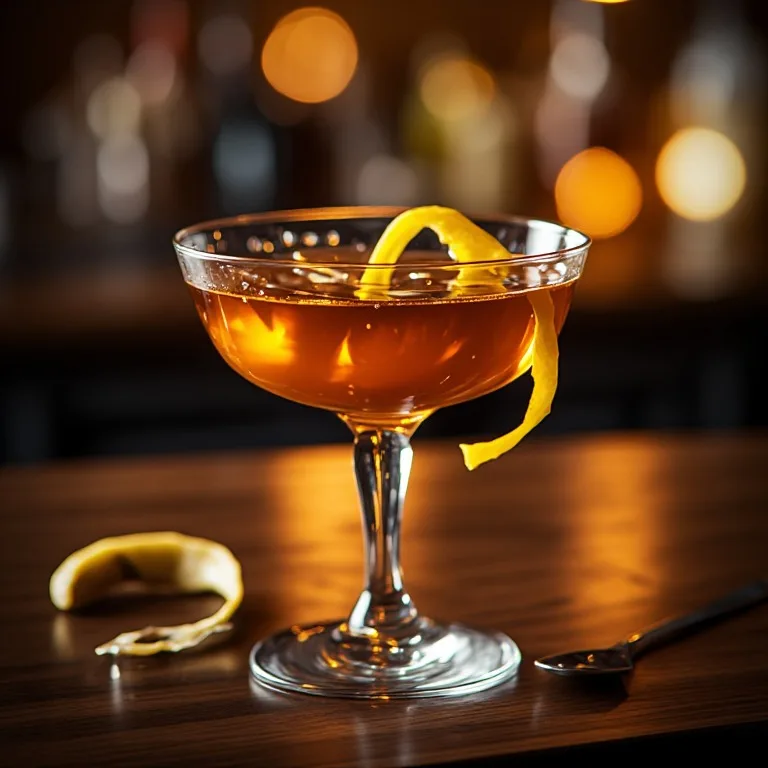
The familiar Greenpoint recipe uses 2 ounces of rye whiskey, 1/2 ounce each of yellow Chartreuse and sweet vermouth, plus one dash each of Angostura and orange bitters. It is stirred and served up. A lemon twist is the most frequently attributed garnish, although some accounts of the house version specify no garnish.
That disagreement is plausible because Milk & Honey famously did not hand guests a conventional cocktail menu. Bartenders learned what a guest liked and chose a drink accordingly. There is no neat printed opening card that settles the exact brand, garnish and price.
Former-bar accounts connect the drink with Rittenhouse rye and Carpano Antica Formula sweet vermouth. Other influential published versions use Punt e Mes, a more bitter vermouth, and some call for two dashes of Angostura. This recipe uses the broadly accepted equal half-ounce structure and a lemon twist, while treating brand and garnish claims with appropriate caution.
The original New York Milk & Honey is closed, so the Greenpoint has no current price or availability at its birthplace. It survives as a modern classic served well beyond that room.
The Origin, With an Honest Date Range
McIlroy named the drink for Greenpoint, the Brooklyn neighborhood where he lived. Its family tree runs through the Brooklyn cocktail and Vincenzo Errico’s Red Hook, another Milk & Honey drink named for a Brooklyn neighborhood. Yellow Chartreuse supplied the memorable herbal turn. Despite the green name, the softer yellow bottling won the recipe.
Several respected sources date the creation to 2006. Other cocktail menus and references say 2005. Without a dated first menu from a bar that did not use one, precision becomes shaky. “Created by Michael McIlroy at Milk & Honey in the mid-2000s” is certain enough; insisting on one uncontested year is not.
Why Typical Greenpoints Miss
Green Chartreuse is the obvious substitution and the wrong one if the goal is the established drink. It is stronger, sharper and more intensely herbal than yellow Chartreuse. A half-ounce can overpower the vermouth and make the rye taste hot rather than integrated.
Old vermouth is another quiet failure. Sweet vermouth is wine, so an open bottle should be refrigerated and used while it still tastes lively. Oxidized vermouth turns the Greenpoint flat and muddy no matter how good the whiskey is.
Finally, under-dilution leaves this all-alcohol build severe. Stirring for only ten seconds may chill the outside of the mixing glass without adding enough water. The finished drink should remain whiskey-forward, but the Chartreuse and vermouth should read as one continuous layer rather than three separate pours.
The Key Technique: Let Dilution Join the Layers
Use plenty of cold, solid ice and stir smoothly for 25 to 30 seconds. The target is roughly three-quarters of an ounce of dilution, enough to lower the heat while keeping the drink rich. If your ice is small or wet, begin tasting earlier because it melts faster.
A 100-proof rye such as Rittenhouse has enough structure for two sweet modifiers. A lower-proof rye still makes a good drink, but it will finish softer and the ABV estimate will be lower. Express the lemon peel over the filled coupe at the very end. The bright oil keeps the first aroma from being all warm spice and herbs.
Batch Eight Greenpoints
Combine 16 oz (480 ml) rye, 4 oz (120 ml) yellow Chartreuse, 4 oz (120 ml) sweet vermouth, 8 dashes Angostura bitters and 8 dashes orange bitters. Refrigerate the sealed batch for up to one week; the vermouth makes cold storage essential.
For each drink, stir 3 oz (90 ml) of the batch with ice for 25 seconds and strain into a cold coupe. Express each lemon twist to order. For a fully pre-diluted freezer batch, add 6 oz (180 ml) cold water to the complete mixture, but test a small portion first because freezer temperature and serving size change perceived dilution.
The Greenpoint After Dark Mocktail
Juice cannot reproduce a spirit-forward Manhattan relative. The better route is a 0.0% whiskey-style base for oak and grain, a zero-proof red aperitif for bitter wine-like fruit, and a concentrated cordial for yellow Chartreuse’s honeyed herbs.
Chamomile supplies floral depth while a brief rosemary steep adds resinous lift. Do not leave the rosemary in longer than four minutes or it can turn medicinal. Alcohol-free aromatic and orange bitters add the final spice, but labels matter: ordinary cocktail bitters contain alcohol.
See more Milk & Honey copycat cocktails →