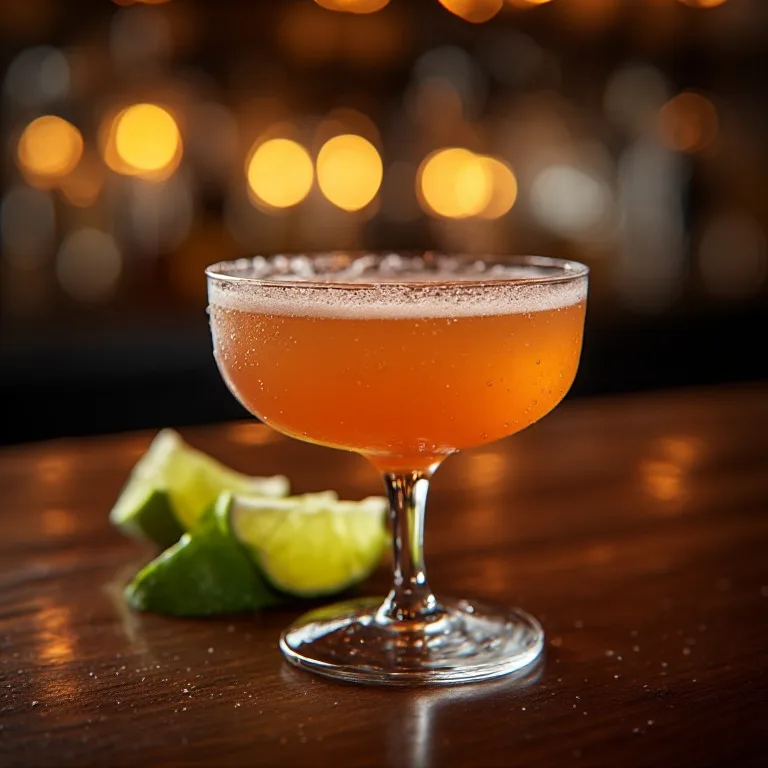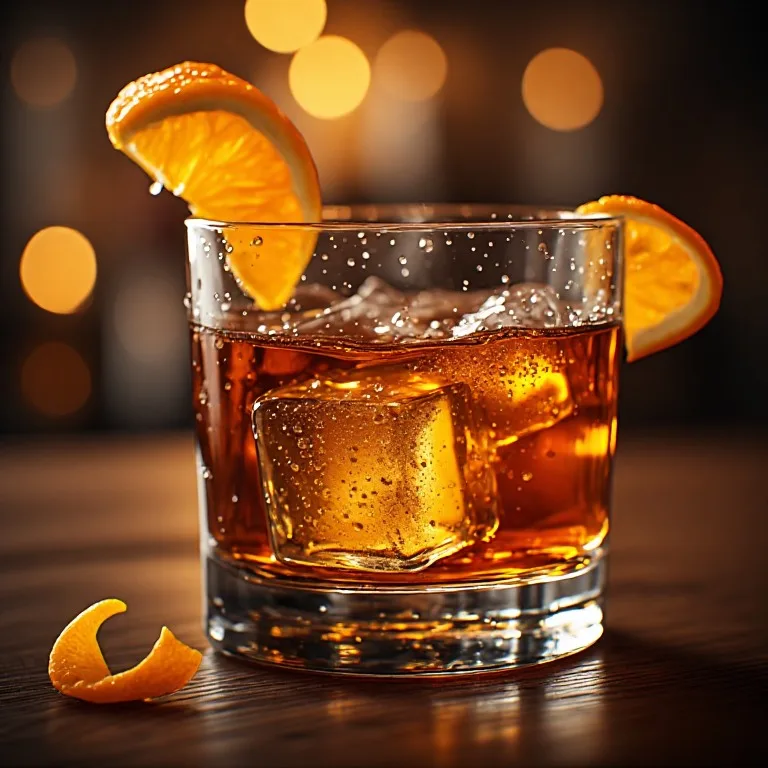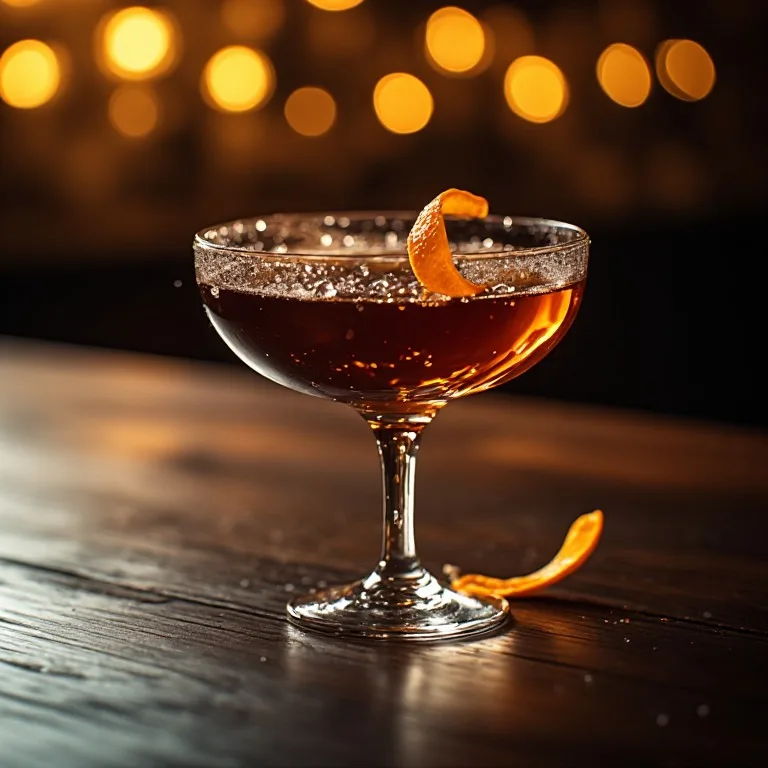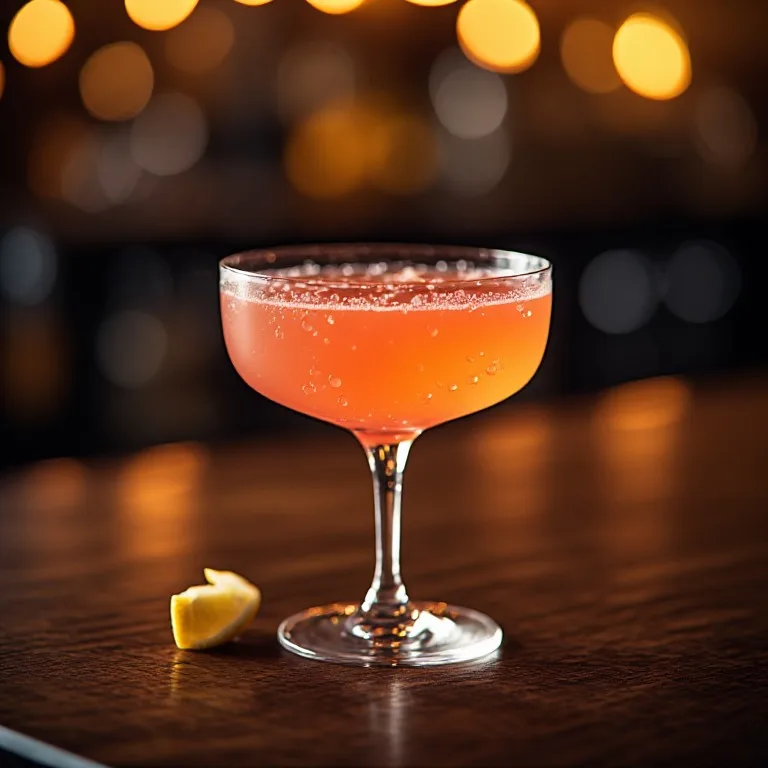
The Paper Plane tastes like bitter orange, lemon and whiskey at the same time. Four equal pours leave nowhere to hide a bad lemon or a random amaro. It is a fall aperitivo with enough bourbon for a Thanksgiving table, and the pour is small enough to drink before the meal.
Sam Ross made it for The Violet Hour in Chicago. The bar opened in 2007 on Damen Avenue in Wicker Park and was widely reported to have closed in 2025, after the building’s plumbing failed and talks with the landlord went nowhere. The exact closing date is not confirmed here. The owners were reported to have said the name might come back in another room. The Damen address is done, so there is no current price and no current menu to copy.
What The Violet Hour Put on the Menu
Toby Maloney, who helped open The Violet Hour, asked Ross for a drink for that bar. Ross was working in New York then, at the bar that became Attaboy. A 2025 New York Post interview with Ross places the creation in 2007. Punch’s telling puts the drink on The Violet Hour menu in summer 2008. He may have built it one year and the bar may have printed it the next. This recipe keeps the range.
The shape is the Last Word’s shape: four equal parts. Ross swapped the gin for bourbon, the lime for lemon, the green Chartreuse for Amaro Nonino, and the maraschino for a red bitter. He has said the first bitter was Campari, and that it was too bitter and a little short on sweetness, so he moved to Aperol within the early life of the drink. Order a Paper Plane today and you should get Aperol. Campari makes a respectable, sterner cousin.
He named it after the M.I.A. song that was playing everywhere that year. The song title is the source of the name. Nothing else about the recording belongs in the glass.
The stable spec is equal parts bourbon, Aperol, Amaro Nonino and fresh lemon, shaken and served up, usually with no garnish. Bar menus often print 3/4 oz of each. The IBA’s New Era listing uses 30 ml of each, which is 1 oz, still equal, just a bigger drink. This card uses the smaller bar pour and says so in the alcohol count. Early notes sometimes mention Elijah Craig 12 as the bourbon. Any straight bourbon around 90 proof has the right weight. The bottle is not the recipe.
Why Typical Copycats Fail
Substituting the amaro is the miss that ruins it. Amaro Nonino is grapey, a little honeyed, and bitter without being a faceful of gentian. Averna, Montenegro, Cynar and a generic “amaro” from the well each pull the drink somewhere else. If the store is out of Nonino, wait or make the mocktail. A different amaro is a different cocktail, and it deserves its own name.
Campari in place of Aperol is the historical first draft, and it is too bitter for the drink people are trying to copy. Aperol is lighter in alcohol and softer in orange. That softness is why the lemon can stay at a full quarter of the glass.
Under-shaking is the technical miss. Four alcoholic or bitter ingredients at 3 oz total taste tight and hot if you only rattle the tin. Twelve seconds with solid ice adds the water that lets the lemon show up. A warm coupe does the same damage from the other direction.
Fresh lemon only. Bottled lemon tastes like candy acid and makes the Aperol seem sweeter than it is. And do not add simple syrup. The Aperol and the Nonino already carry the sugar. Extra syrup makes an orange lollipop.
The Key Technique: Keep the Parts Equal, Then Dilute
Use one jigger side for all four pours. If your jigger’s 3/4 oz line is worn, use 22 ml four times. The drink works because nothing leads. The moment bourbon becomes 1 1/2 oz “to make it more of a cocktail,” you have a whiskey sour with amaro in it.
Shake with a full tin of cold ice. Fine-strain so the coupe stays clear. Leave the garnish off unless you want a small twist for aroma. A big lemon wheel on the rim covers the Nonino.
Bourbon proof changes the finish more than the brand story does. This alcohol estimate uses 45% ABV bourbon, Aperol at 11%, and Amaro Nonino Quintessentia at 35%. An 80-proof bourbon makes a slightly softer drink and a slightly lower number. A bottled-in-bond bourbon at 50% makes it hotter. Taste the first one before you decide the lemon is wrong.
A Bottle for Eight Paper Planes
For eight drinks, combine 6 oz (180 ml) bourbon, 6 oz (180 ml) Aperol, 6 oz (180 ml) Amaro Nonino and 6 oz (180 ml) fresh lemon juice. Refrigerate the bottle and use it the same day. Lemon juice is the clock. The other three bottles would keep, but once they are mixed with juice, tonight is the window.
Shake 3 oz (90 ml) of the batch with ice for each coupe. That 3 oz already includes the lemon, so you are not adding more citrus. For the larger IBA-style serve, shake 4 oz (120 ml) of the same batch. Tell people which one you poured. Eight small drinks are about 9 standard drinks in total. Eight large ones are closer to 12.
Do not freeze the batch into a slush. The drink is built to be shaken and served up. A blended version crushes the bitterness into water ice and needs more sugar to taste like anything.
The Paper Glider Mocktail
You cannot leave a hole where the Nonino was and call it the same drink. The cordial is the repair: white grape juice reduced for a few minutes with orange peel and a little honey. It is grapey and lightly bitter from the pith, which is as close as a pantry gets. It will not fool anyone who drinks Nonino every week. It will taste like the same family.
Pair it with equal parts zero-proof whiskey, a zero-proof bitter orange aperitivo, and fresh lemon. Shake and strain into the same cold coupe. Skip regular bitters. They contain alcohol, and this drink does not need them if the aperitivo is bitter enough.
If the cordial tastes too sweet, add a pinch of salt to the shaker, not more lemon. Salt pulls the orange peel forward and keeps you from turning the mocktail into lemonade.
See more Violet Hour copycat cocktails →