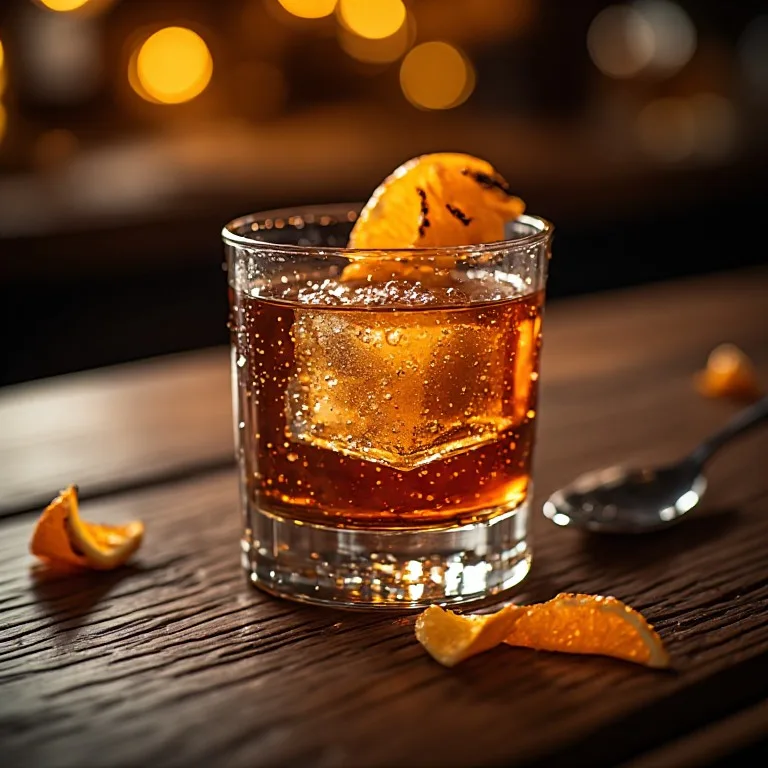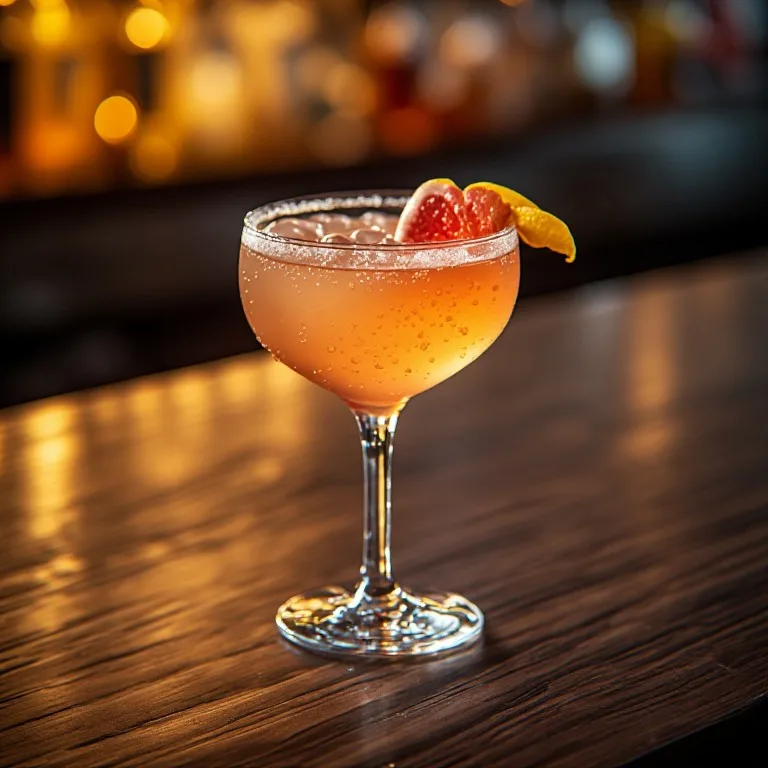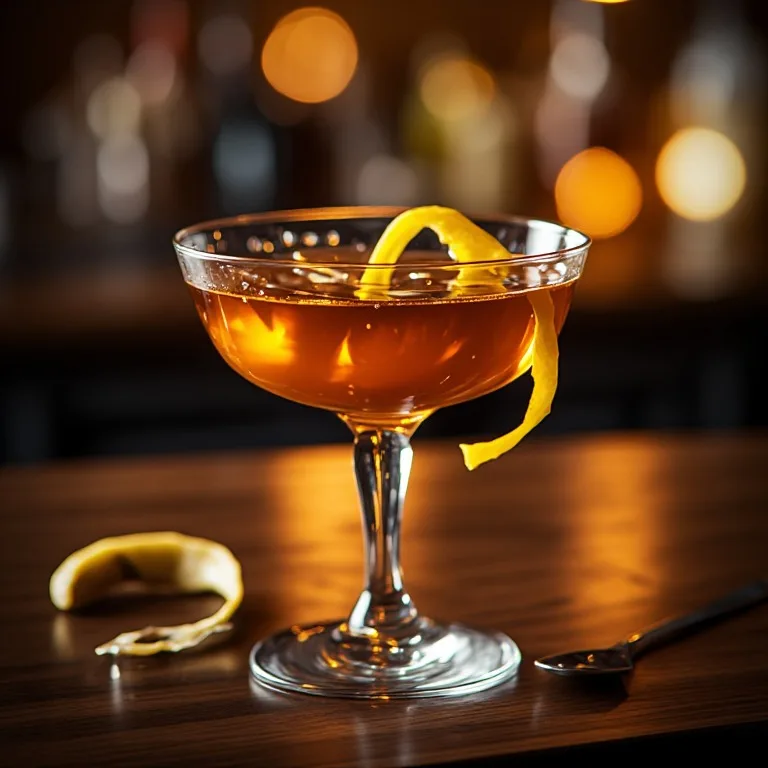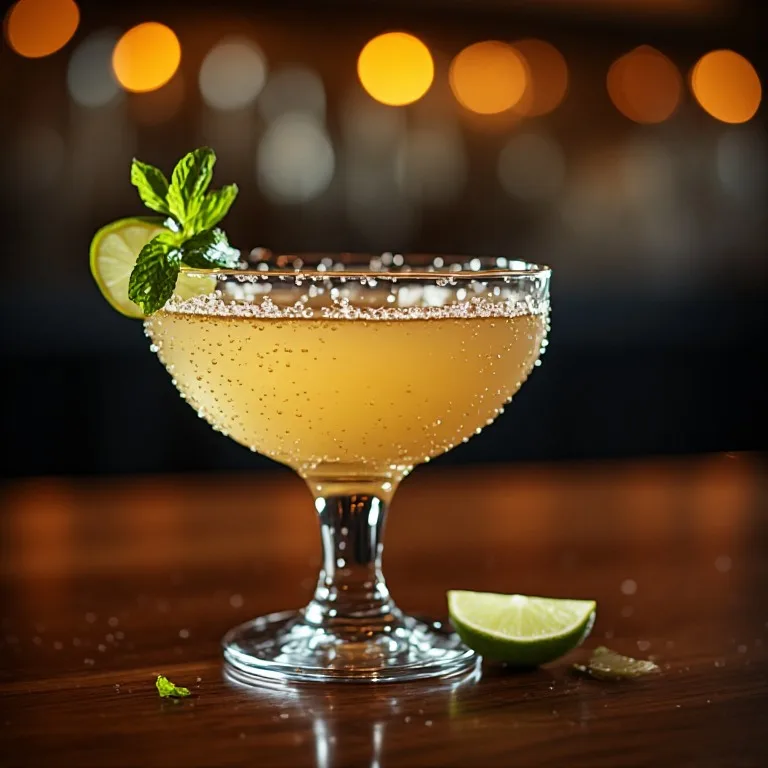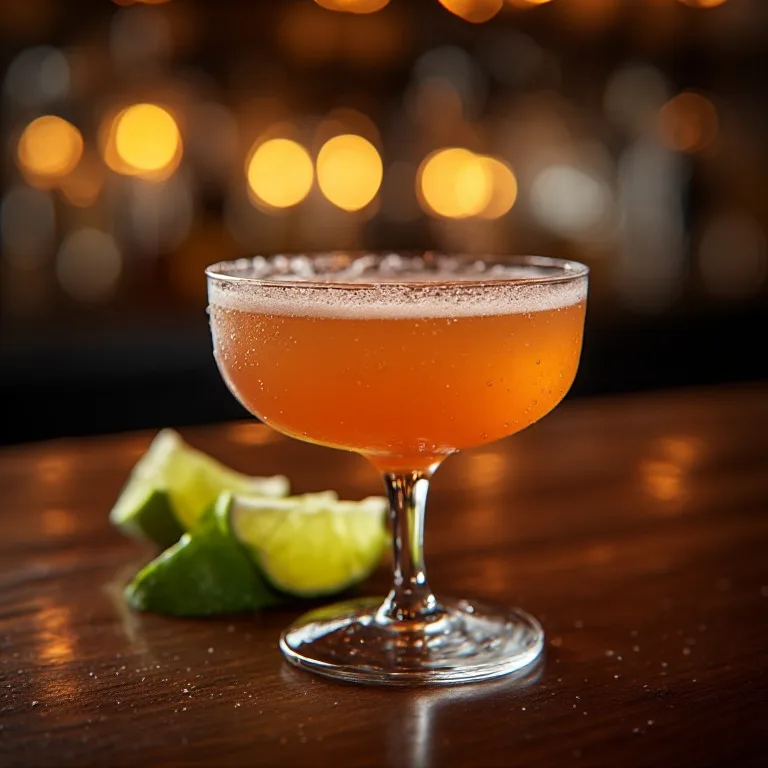
The Naked and Famous looks almost too simple on paper: four ingredients, four identical measures, one shake. In the glass, it moves from smoke to bitter orange, honeyed herbs and lime in quick succession. That layered finish is why Joaquín Simó’s 2011 Death & Co creation became a modern classic rather than just another Last Word variation.
Better still, this is not a drink that requires guessing at a secret restaurant formula. Death & Co publishes the recipe.
What Death & Co Actually Serves
The house spec is ¾ ounce each of mezcal, Yellow Chartreuse, Aperol and fresh lime juice. Shake with ice, double-strain into a chilled coupe and leave it ungarnished. Death & Co credits Simó at the New York bar in 2011.
Simó has named Del Maguey Chichicapa as the original mezcal. He wanted a smoky, characterful bottle because only one quarter of the recipe is base spirit, and it must stand beside two expressive liqueurs. Yellow Chartreuse contributes honeyed alpine herbs; Aperol brings sweet orange and gentle bitterness; lime supplies the acidity that stops both from feeling syrupy.
Death & Co’s menus rotate. Its Washington, D.C. location featured the drink in a fall/winter 2024 modern-classics section at $18, but that is a documented past menu, not proof of a November 2026 price or current listing at every location. The bar still publishes the recipe through its official shop.
The Origin and Its Two Parents
Simó described the Naked and Famous as the offspring of the Last Word and the Paper Plane. The Last Word supplies the equal-parts architecture: spirit, herbal liqueur, another sweet modifier and lime. Sam Ross’s Paper Plane contributes Aperol and the idea of a softer, bittersweet modern equal-parts drink.
The name, according to Simó, came from a lyric in “Tricky Kid” by Tricky. Online retellings sometimes attach it to a band or another song with a similar title. The creator’s explanation is the safer account.
Why Typical Versions Miss
Green Chartreuse is not a direct substitute for yellow. It is higher in proof, sharper and more intensely herbal. Three quarters of an ounce can dominate the mezcal and turn the drink from integrated to medicinal. Yellow Chartreuse is central to the intended balance.
Mild mezcal causes the opposite problem. Aperol, Chartreuse and lime are individually loud. Choose a mezcal with enough roast, fruit and mineral character to remain present after shaking. It does not need to be Chichicapa, but it should not taste like barely smoky tequila.
Old lime juice also flattens the drink. With equal parts, citrus is not seasoning; it is a full structural quarter. Squeeze it just before mixing and fine-strain the completed cocktail so pulp does not interrupt the silky texture.
The Key Technique: Respect the Equal Parts
It is tempting to increase the mezcal because three quarters of an ounce looks small. Resist on the first round. The original’s appeal comes from four equal voices, and a forceful mezcal can lead without receiving a larger measure.
Shake hard for 12 to 15 seconds with plenty of cold ice. The target is roughly an ounce of added water, enough to open the Chartreuse and soften the lime. A chilled coupe matters because there is no serving ice to keep cooling the drink. Double-straining removes ice shards and lime pulp, preserving the polished texture.
No garnish is the correct garnish. Smoke and herbs already provide ample aroma, and expressed citrus peel shifts the first impression away from the published version.
Batch Eight Naked and Famous Cocktails
Combine 6 oz (180 ml) mezcal, 6 oz (180 ml) Yellow Chartreuse and 6 oz (180 ml) Aperol in a sealed bottle. That spirit mixture keeps well in the refrigerator. Up to four hours before serving, add 6 oz (180 ml) fresh lime juice and return it to the refrigerator.
For each drink, measure 3 oz (90 ml) of batch into a shaker, shake with ice and double-strain into a cold coupe. Do not simply pour the batch over ice: shaking supplies the dilution and aeration that makes the equal-parts formula cohere.
The Clothed and Unknown Mocktail
No single zero-proof bottle recreates Yellow Chartreuse. A better home approach divides the work. Chamomile gives the drink floral lift, rosemary adds resinous herbs and honey mirrors the liqueur’s rounded sweetness. A 0.0% smoky agave alternative and zero-proof orange aperitif then rebuild the mezcal-Aperol axis.
Keep the rosemary steep short. More is not better; over-extracted rosemary tastes woody and medicinal. Use a product explicitly labeled 0.0% when complete alcohol avoidance matters, and skip conventional bitters because most are alcohol-based.
See more Death & Co copycat cocktails →