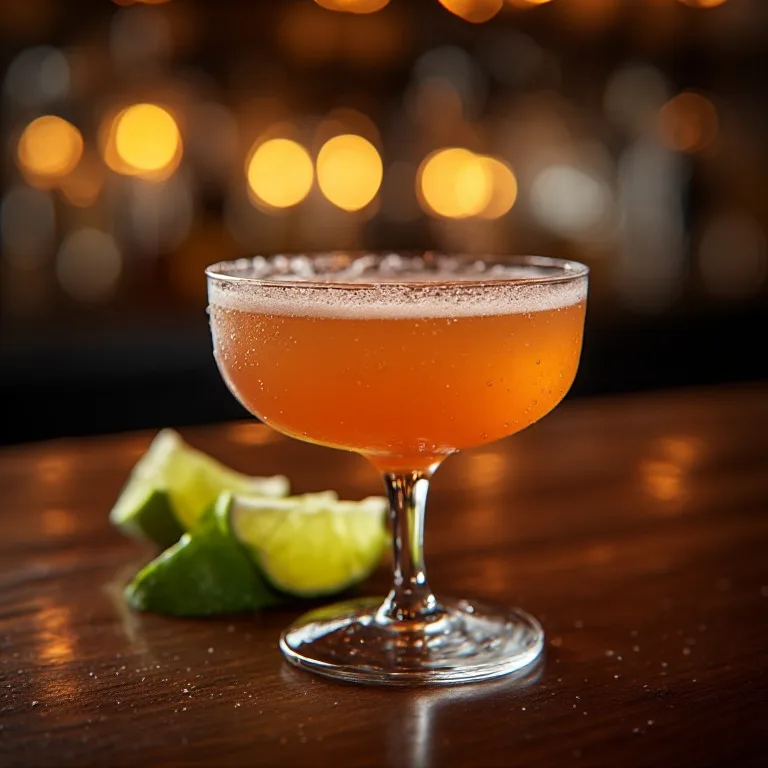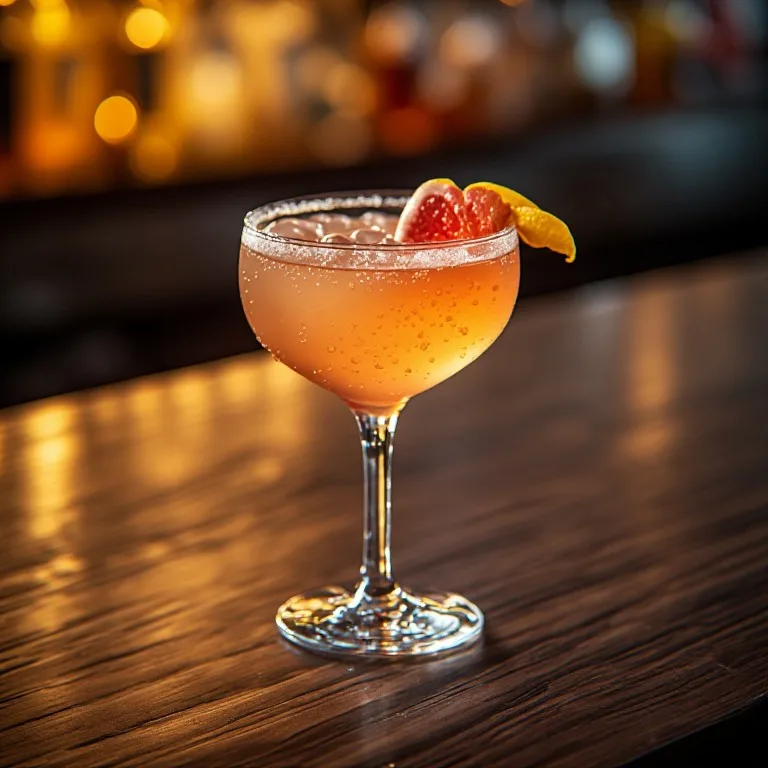
The Division Bell is one of those modern cocktails that feels inevitable once it is in the glass. Smoky mezcal meets bittersweet orange, tart lime and the almond-cherry depth of maraschino liqueur. A grapefruit peel ties those flavors together before the first sip.
Phil Ward created it for the opening menu at Mayahuel, the East Village agave bar he opened with Ravi DeRossi in 2009. Mayahuel closed on August 8, 2017 after a landlord dispute, so there is no current menu price or availability at the original venue. The drink survived the room and is now widely treated as a modern classic.
The Real Mayahuel Connection
Ward had already created the Oaxaca Old Fashioned at Death & Co. Mayahuel let him push tequila and mezcal beyond the margarita at a time when many American drinkers had little experience with either spirit in serious cocktails. Its first menu reportedly included 20 tequila and mezcal drinks, including the Division Bell.
The name came from Pink Floyd’s 1994 album. Ward later explained that he listened to it while varnishing and working alone during the stressful months of building the bar. That origin is unusually well documented, not a piece of anonymous cocktail folklore.
The formula has one genuine uncertainty: respected publications give different amounts. A 2011 magazine profile that directly quotes Ward prints 1 1/2 ounces of mezcal and 1/2 ounce of maraschino. A later, widely circulated recipe uses 1 ounce and 1/4 ounce respectively. This copycat follows the fuller early version and does not pretend the discrepancy is settled.
Why Typical Copycats Fail
The easiest mistake is confusing maraschino liqueur with red cherry syrup. Luxardo maraschino is a clear, dry liqueur made from cherries, including their pits, which contributes a faint almond-like edge. Bright red sundae syrup makes the cocktail sweeter and flatter.
Using a heavily smoky artisanal mezcal can also throw off the balance. Ward specified Del Maguey Vida, a mixing mezcal with fruit, earth and assertive but manageable smoke. Another espadín can work, but avoid a bottle whose smoke dominates everything you smell.
Finally, do not skip the grapefruit twist. There is no grapefruit juice in the recipe. The peel’s oil creates the grapefruit impression Ward described while keeping the drink compact and sharp.
The Key Technique: Control the Dilution
This is a strong sour served without ice. Chill the coupe first and shake for a full 12 seconds with plenty of hard, cold ice. That shake adds the water needed to open the mezcal and soften Aperol’s bitterness.
Fine-strain immediately. Squeeze a wide grapefruit peel over the surface with the colored side facing the drink, then rub it once around the rim. The aromatic oil should meet your nose before the smoke does.
If the early spec tastes too rich for your palate, try the later variation: reduce mezcal to 1 ounce and maraschino to 1/4 ounce while leaving Aperol and lime at 3/4 ounce each. It is leaner, more bitter and lower in alcohol, but still recognizably a Division Bell.
Batch Eight Drinks
Combine 12 oz (360 ml) mezcal, 6 oz (180 ml) Aperol, 6 oz (180 ml) fresh lime juice and 4 oz (120 ml) maraschino liqueur. Refrigerate the sealed batch for no more than four hours because lime juice loses its clean edge as it sits.
For each drink, shake 3 1/2 oz (105 ml) of batch with ice and fine-strain into a chilled coupe. Prepare the grapefruit twists shortly before serving. Pre-cut peels dry out and release much less fragrant oil.
The Silent Bell Mocktail
The goal is not to copy mezcal with liquid smoke. Strong lapsang souchong tea brings real dry, woody smoke plus tannin, which replaces some of alcohol’s grip. Brew it at double strength, chill it completely and measure only after it is cold.
Choose a bitter orange aperitif explicitly marked 0.0%. Alcohol-free maraschino cherry syrup supplies cherry and almond-adjacent sweetness, though it is softer than the liqueur. If the syrup is very sweet, start with a quarter-ounce and adjust. Lime and expressed grapefruit keep the finish brisk.