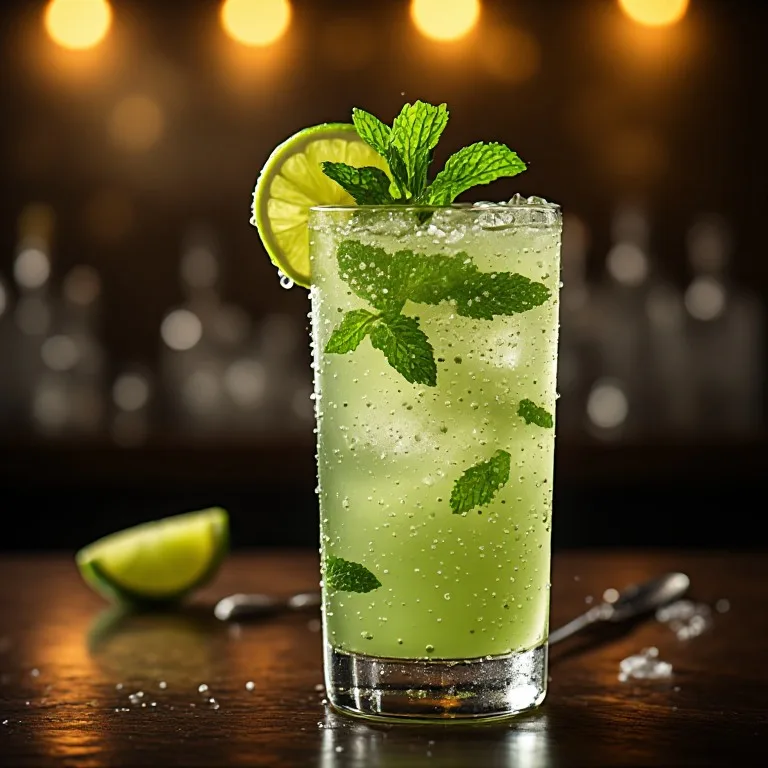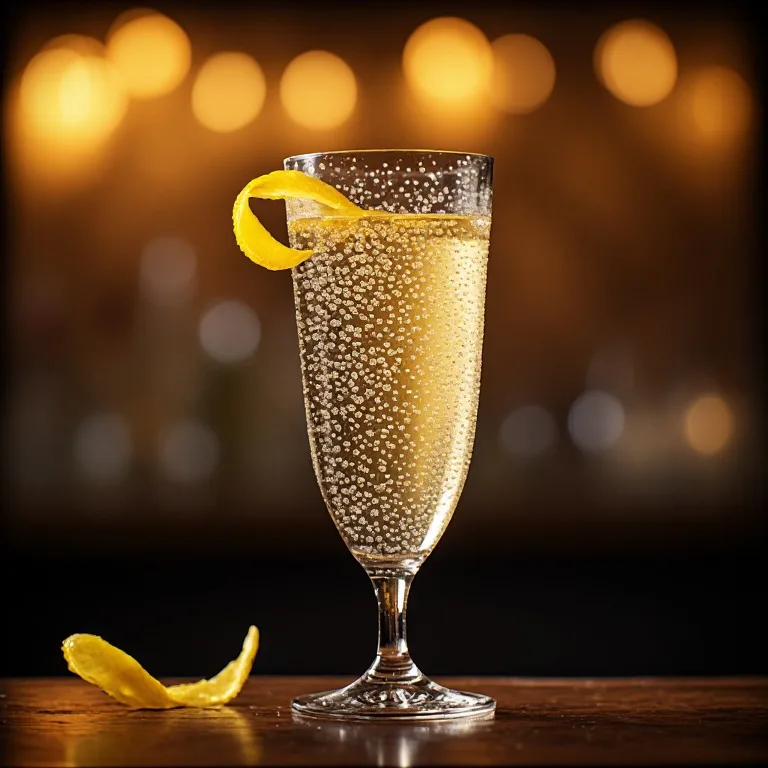
The Old Cuban sounds like a century-old Havana drink, but it is a New York modern classic from the beginning of the cocktail revival. Audrey Saunders took the Mojito’s rum, lime, sugar and mint, changed white rum to aged rum, added aromatic bitters and replaced soda water with Champagne.
The result feels both familiar and dressed up. Mint and lime keep it refreshing, barrel-aged rum adds vanilla and spice, and the sparkling-wine top turns the drink into something closer to a rum-based French 75. It is especially well suited to New Year’s Eve, though it works whenever a plain glass of bubbles feels too simple.
Where the Old Cuban Was Actually Created
The usual one-line origin story is incomplete. In a detailed account, Saunders said she began working on the Old Cuban at Beacon in 2001, when its working title was El Cubano. She completed the drink after moving to Tonic. It then made its formal menu debut at Bemelmans Bar in the Carlyle Hotel in early 2002.
That chronology explains why reputable sources attach different venues to the drink. Beacon is the development starting point, Tonic is where the formula was completed, and Bemelmans is where customers first saw its official menu debut. Pegu Club, which Saunders later opened, helped cement her influence but was not the birthplace of the drink.
Beacon itself closed on December 29, 2012 after 14 years in Midtown Manhattan. There is no current Beacon menu or price to quote. A 2004 profile priced the Old Cuban at $17 at Bemelmans, but that is a historic reference from a different venue, not a modern price guide.
Why Typical Copycats Fail
The first mistake is using white rum. A Mojito can be crisp and grassy with white rum; the Old Cuban needs an aged bottle’s vanilla, oak and dried-fruit notes. Saunders specified Bacardi 8. Any balanced aged rum works, but a very funky or heavily sweetened bottle changes the drink considerably.
The second mistake is shredding the mint. Aggressive muddling releases bitter plant flavors and sends green flecks through the cocktail. Press the leaves gently in the lime and syrup, then fine-strain after shaking. The drink should smell vividly minty without looking like a blended herb sauce.
Finally, sweet sparkling wine makes the original proportions feel heavy. Saunders’ published recipe includes a full ounce of 1:1 simple syrup, more than many modern adaptations. Use brut Champagne or another genuinely dry sparkling wine before deciding to reduce the syrup.
The Key Technique: Control Mint and Bubbles
Mint needs pressure, not punishment. Two or three light presses are enough to release its surface oils. Add the rum, bitters and ice only after that step, then shake firmly. Double-straining catches torn leaves and small ice chips, giving the cocktail its polished texture.
Champagne never goes into the shaker. Chill it thoroughly, strain the base first and pour the wine slowly down the inside of the coupe. This protects its carbonation and prevents a foamy overflow. A quick, gentle lift with a bar spoon is optional, but vigorous stirring wastes the bubbles.
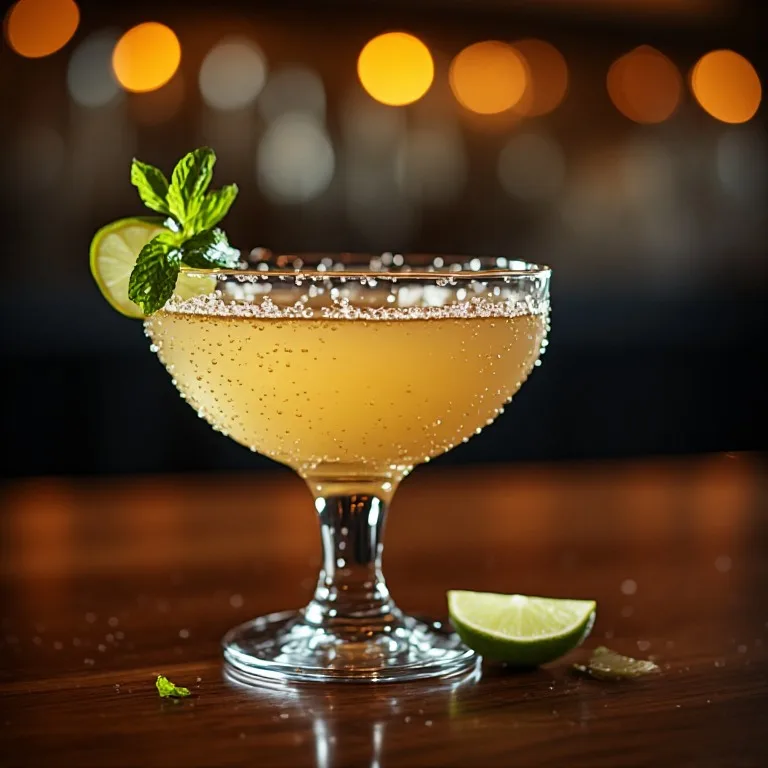
The original garnish has been documented as a sugar-coated vanilla bean, while mint and lime also appear in attributed versions. Mint and a thin lime wheel are practical at home and echo the drink’s aroma without a week of garnish preparation.
Batch It for New Year’s Eve
For eight drinks, combine 12 oz (360 ml) aged rum, 6 oz (180 ml) fresh lime juice, 8 oz (240 ml) 1:1 simple syrup and 16 dashes Angostura bitters. Refrigerate the mixture for no more than four hours so the lime remains fresh.
For each cocktail, gently press 6 mint leaves in a shaker, add 3 1/4 oz (97 ml) of the batch and shake with ice. Fine-strain into a coupe and top with 2 oz (60 ml) chilled Champagne. Shaking each serving takes more work than pouring a pitcher, but it prevents bruised mint and flat wine.
The Old Cuban Zero-Proof Royale
Removing both rum and Champagne can leave this drink tasting like sweet lime juice, so the substitutes need structure. Choose a 0.0% rum alternative with oak, vanilla or baking-spice notes. Alcohol-free aromatic bitters add the clove-like bridge between rum and mint, while dry zero-proof sparkling wine supplies acidity and bubbles.
The mocktail uses slightly less syrup because many nonalcoholic spirits and sparkling wines carry their own sweetness. Check every label if strict 0.0% preparation matters. Some products sold as nonalcoholic may contain trace alcohol depending on local labeling rules.
See more famous-bar cocktail recipes →