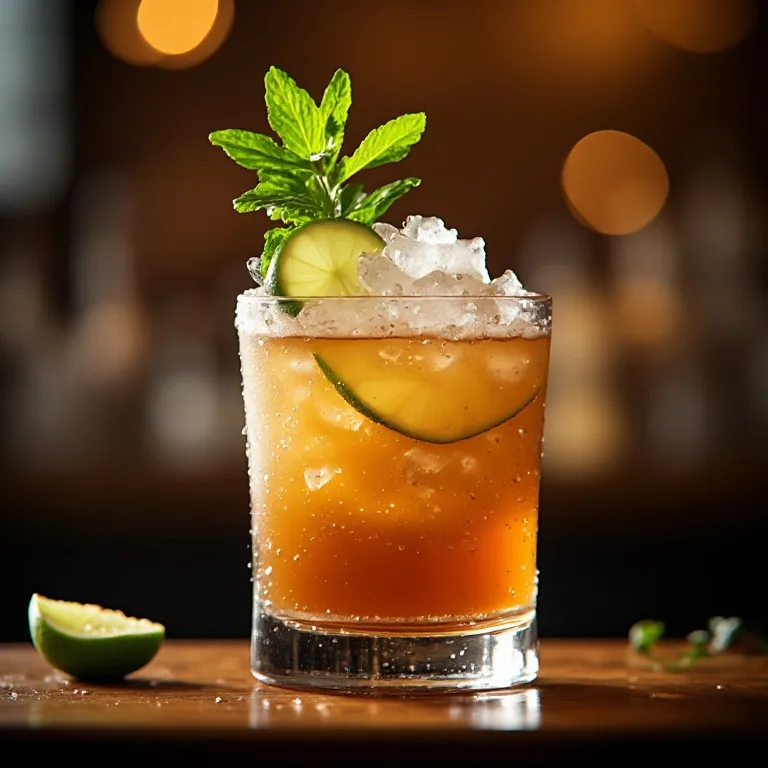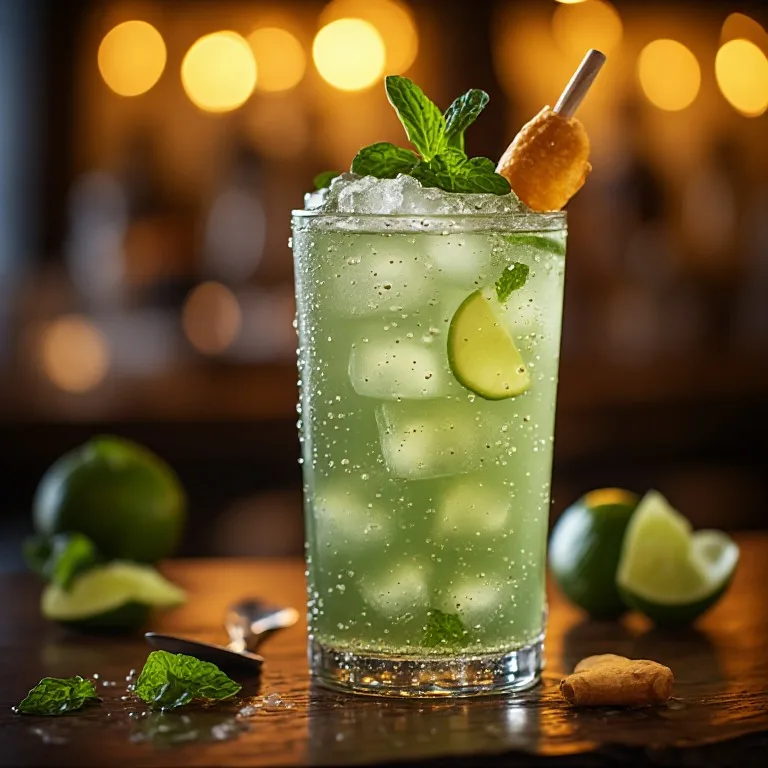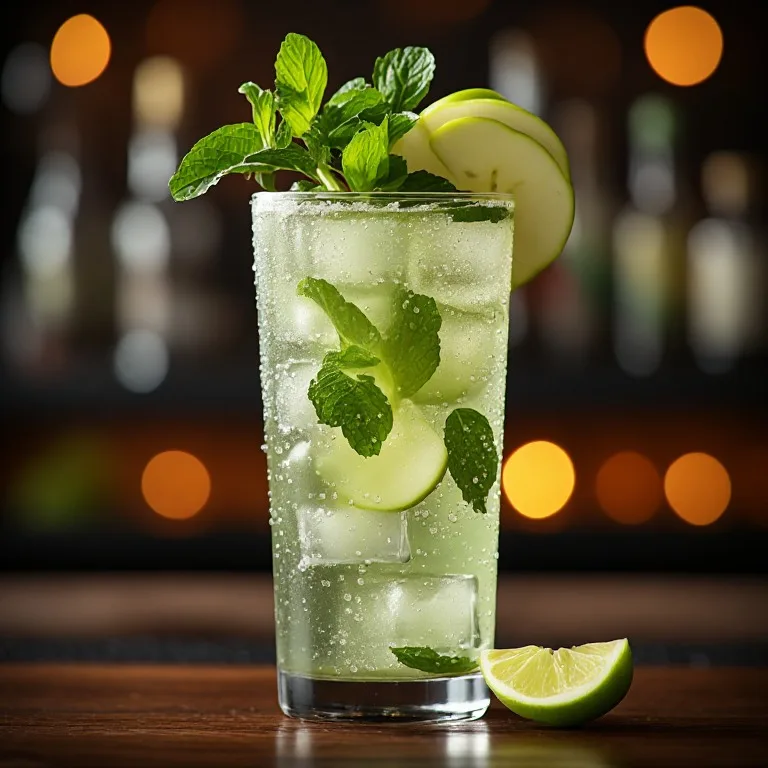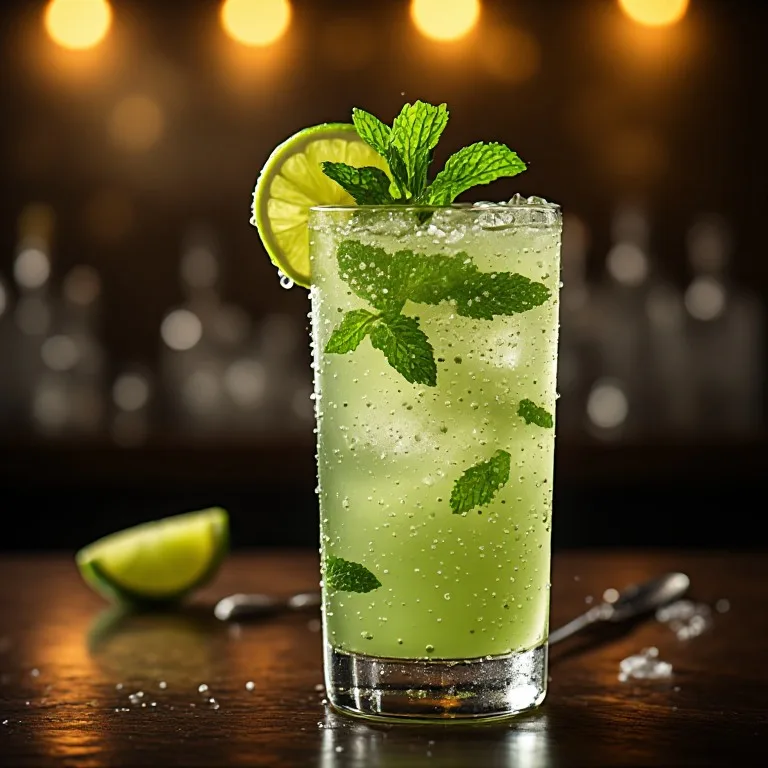
La Bodeguita del Medio is so closely tied to the mojito that separating the drink from the room is almost impossible. The little Old Havana restaurant-bar has mint in the air, signatures across its walls and decades of stories compressed into a tall glass of rum, lime, sugar and soda.
Its fame is real. The clean version of the origin story is less certain. The mojito’s family tree reaches back before La Bodeguita adopted its current name, and the bar’s role is better described as standardizing and popularizing a Cuban classic than conclusively inventing it.
What La Bodeguita del Medio Actually Serves
Cuba’s state tourism and hospitality operator Palmares currently lists La Bodeguita at Empedrado 207 in Old Havana. Its page calls the venue the “Cathedral of the Mojito,” describes the scent of mint inside and gives operating hours of noon to 11:30 p.m. The listing confirms that the restaurant-bar remains open, but it does not publish a current cocktail price or an ounce-level house formula.
For a documented modern reference, Havana Club publishes a mojito made with 40 ml Havana Club Original 3 Años, 20 ml lime juice, two teaspoons white sugar, two large mint sprigs and 80 ml soda water. This recipe rounds that structure to convenient US measures while keeping its relatively long, sparkling profile.
Do not confuse the Havana original with unrelated restaurants that share the name. A Palo Alto La Bodeguita, for example, currently lists a mojito with Bacardi Limón and both lemon and lime. That is a different venue and a different recipe.
The Origin Story, With the Uncertainty Left In
Palmares says Ángel Martínez Borroto bought the small Empedrado Street shop in 1942 and operated it as La Casa Martínez. The familiar La Bodeguita del Medio name arrived in 1950, reflecting its location in the middle of the block.
The venue lays claim to the mojito, but drinks combining cane spirit, citrus, sugar and mint existed earlier. A Cuban “Mojo Criollo” appeared in print in 1927, and the name mojito appeared in a 1932 bar manual. Exact lines of descent remain debated. It is fair to credit La Bodeguita with making the mojito internationally famous; it is not fair to present a disputed invention claim as fact.
The line “My mojito in La Bodeguita, my daiquiri in El Floridita” is commonly attributed to Ernest Hemingway and displayed as part of the bar’s lore. Its authenticity has also been questioned. The inscription belongs in the legend column, even though Hemingway’s connection to Havana cocktail culture is genuine.
Why Typical Mojitos Miss
The fastest way to spoil a mojito is to pulverize the mint. Aggressive muddling tears leaves into green fragments and releases bitter vegetal flavors. The drink should smell strongly of mint without requiring a mouthful of it.
Another mistake is treating soda as a token splash. The longer Cuban build uses enough sparkling water to open the rum and make the drink genuinely refreshing. Too little soda produces a sweet rum sour with mint; too much makes flavored seltzer. Three ounces is a useful center point.
White granulated sugar is not a defect here. Stirring it with lime before adding mint dissolves most crystals while leaving a slight rustic texture. Simple syrup works, but it changes the tactile quality and makes over-pouring sweetness easier.
The Key Technique: Press, Then Lift
Stir the sugar and lime first. Add whole mint sprigs and press them gently two or three times. You are bruising the stems and leaves enough to release aroma, not grinding them against the glass.
Add rum and cold soda, then ice. Slide a bar spoon to the bottom and lift the concentrated lime-sugar base upward once or twice. Vigorous stirring knocks carbonation out and tangles the mint. Finish with a large mint bouquet placed near the straw or drinking edge, where its aroma reaches the nose with every sip.
Making a Mojito Pitcher
For eight drinks, stir 16 teaspoons white sugar into 6 oz fresh lime juice until mostly dissolved. Add 12 oz lightly aged white rum and refrigerate. Just before serving, add 24 oz cold soda water and stir once gently.
Put ice and a fresh mint sprig in each glass, then pour the batch over them. This is more consistent than muddling a heap of mint in the pitcher, and it avoids bruised herbs turning dark before guests arrive. Make the lime base the same day; fresh citrus loses its top notes overnight.
The Mocktail Version
Removing rum from a mojito can leave sweet mint-lime soda. A 0.0% cane spirit restores dryness and a little body. One barspoon of diluted blackstrap molasses adds a subtle fermented-cane impression and faint bitterness. Keep the amount tiny or the drink will taste dark and heavy.
If strict zero alcohol matters, choose a bottle explicitly labeled 0.0%, not merely “non-alcoholic,” and check the label on any flavor extracts. Build and garnish the Medio Cero exactly like the cocktail so mint aroma remains the main event.