El Floridita in Old Havana calls itself the cradle of the Daiquiri, but its more specific claim to cocktail history is what bartender Constantino Ribalaigua Vert did with the drink. He developed a series of Daiquiri variations, used very fine ice and helped turn a simple rum sour into a Havana institution.
Ernest Hemingway became the bar’s most famous regular. The bronze figure at the counter and the Papa Hemingway on today’s menu keep that connection visible, but the recipe story is messier than the souvenir version.
What El Floridita Actually Serves
El Floridita’s online menu listed both a Floridita Daiquiri and a Papa Hemingway at US $6.25 when checked in October 2026. The Floridita listing names Havana Club rum, sugar, lemon or lime juice and maraschino. The public menu does not give an ingredient list or ounce formula for the Papa Hemingway, so a precise current house spec cannot be confirmed from it.
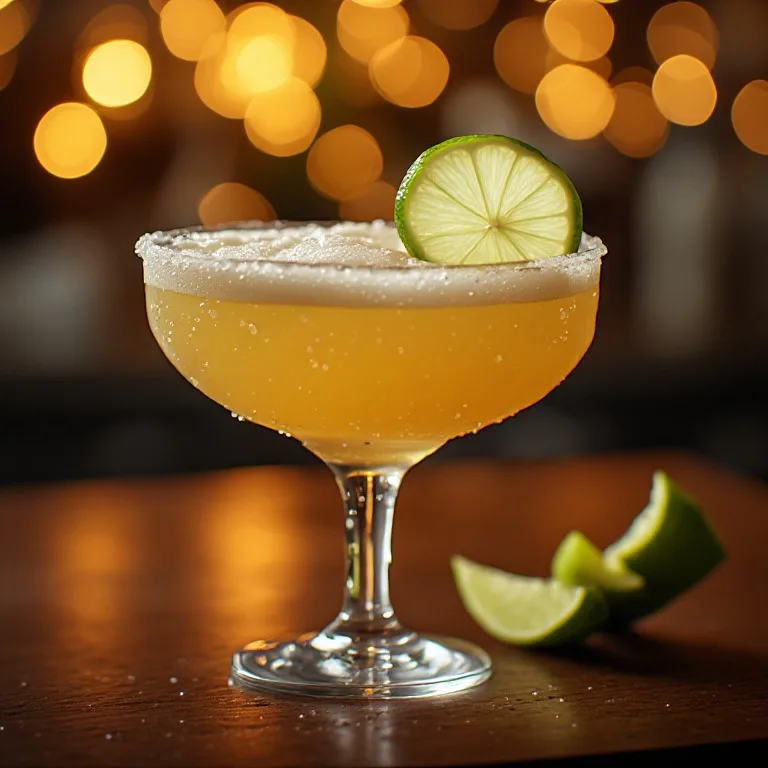
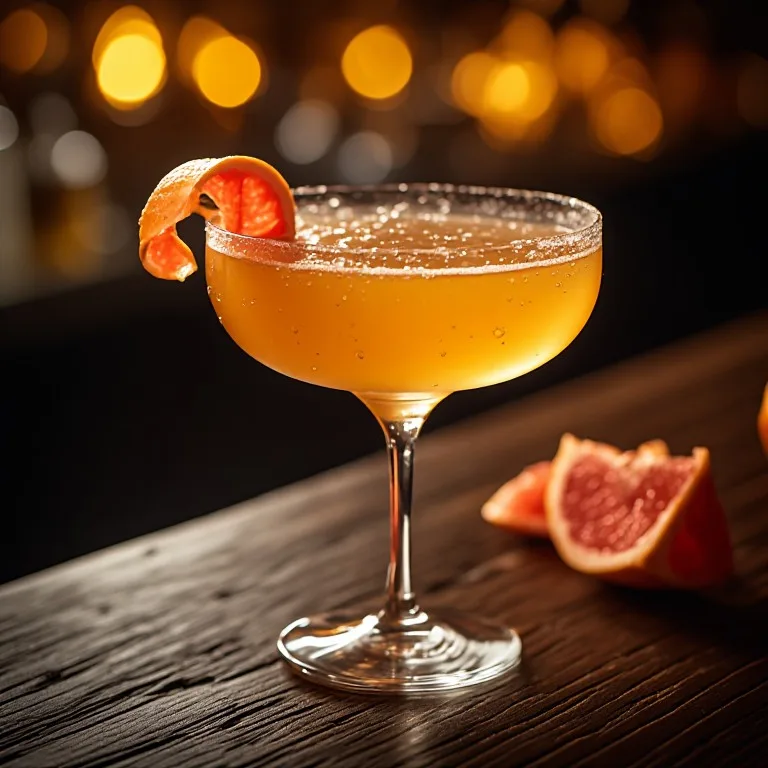
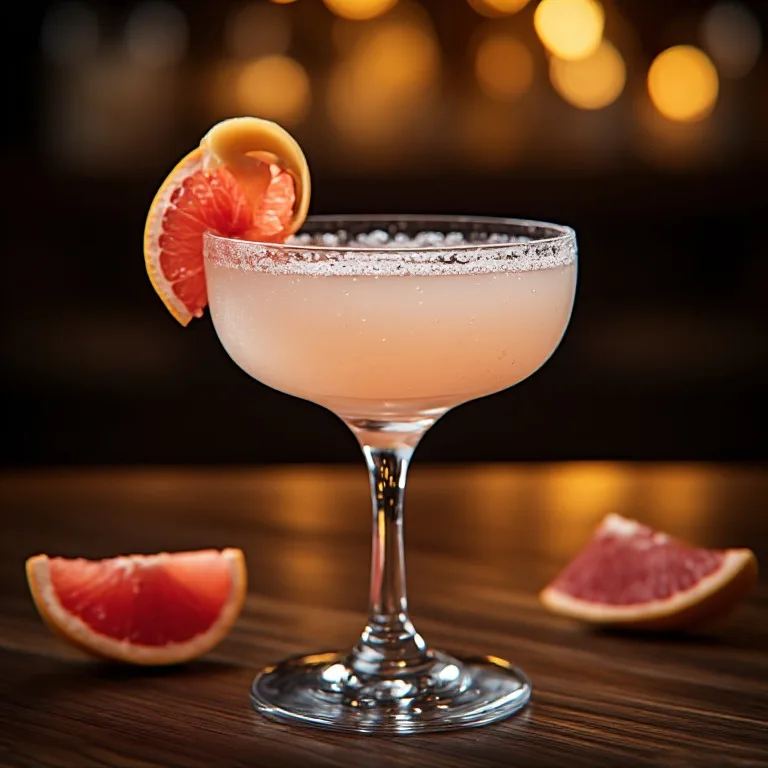
For a documented modern build, this recipe follows the International Bartenders Association’s Hemingway Special: 60 ml rum, 40 ml grapefruit juice, 15 ml maraschino liqueur and 15 ml fresh lime juice. It is shaken and strained into a large cocktail glass.
That is real and repeatable, but it should not be confused with proof of exactly what Hemingway drank. The familiar origin story says he tried one of Ribalaigua’s Daiquiris and asked for less sugar and more rum. That request became the Papa Doble, generally understood as a double-rum Daiquiri without sugar. Later grapefruit and maraschino versions evolved into the Hemingway Special known by bartenders today. Sources disagree about exactly when each name and ingredient entered the sequence.
Daiquiri No. 4 Is a Different Drink
The 1939 booklet Floridita Cock-tails records Ribalaigua’s Daiquiri No. 4 with two ounces of Bacardi, fine sugar, a teaspoon of maraschino, the juice of half a lime and nearly pulverized ice. The drink was mechanically mixed for several minutes.
Notice what is missing: grapefruit. That historical formula is an important El Floridita drink, but calling every No. 4 a Hemingway Daiquiri collapses distinct recipes into one. This page focuses on the grapefruit-forward Hemingway Special because that is the internationally standardized drink most people expect from the name.
Why Typical Copycats Miss
The Hemingway Special has no plain sugar in the IBA formula. That does not mean it should be painfully sour. Maraschino liqueur is sweet, grapefruit contains natural sugar and vigorous shaking adds water. Weak shaking leaves the cocktail warm, sharp and overly alcoholic.
Another mistake is treating maraschino like cherry syrup. The liqueur is dry, nutty and slightly funky, with a cherry-pit quality. Half an ounce is enough. Grenadine or red cocktail-cherry syrup will make a different drink.
Fresh grapefruit also matters. Bottled juice loses its top aroma and can bring a cooked bitterness. White grapefruit is ideal for a dry version; pink grapefruit makes a softer drink. If the fruit is exceptionally bitter, add ¼ ounce simple syrup. That is a practical adjustment, not part of the IBA spec.
The Key Technique: Cold, Fast Dilution
Chill the coupe before mixing. Fill the shaker with plenty of hard ice and shake until its surface is frosty, about 12 to 15 seconds. This is not just about temperature. Roughly an ounce of water joins the drink during a proper shake, relaxing the lime and bringing the estimated finished strength down to about 18% ABV.
Fine-strain to catch grapefruit pulp and tiny ice shards. The IBA calls for no garnish. An expressed grapefruit twist is optional at home, but avoid a sweet cherry garnish that suggests flavors the drink does not contain.
Making a Batch
For eight drinks, combine 16 oz light rum, 10⅔ oz grapefruit juice, 4 oz maraschino liqueur and 4 oz lime juice. Add 8 oz cold water to replace shaking dilution, refrigerate thoroughly and stir before serving. Pour about 5⅓ oz into each frozen coupe.
Make the batch no more than a few hours ahead. Fresh lime and grapefruit fade in the refrigerator, and their bitterness can become more prominent overnight.
The Mocktail Version
The Little Papa uses a non-alcoholic cane spirit for a dry sugarcane base. Tart cherry juice supplies fruit while orgeat adds the almond-like kernel note found in maraschino liqueur. Neither ingredient replaces maraschino alone; together, in small measures, they suggest it without becoming a cherry sour.
Non-alcoholic spirits vary, so taste before adding the optional simple syrup. The goal is still lean, cold and citrus-forward.