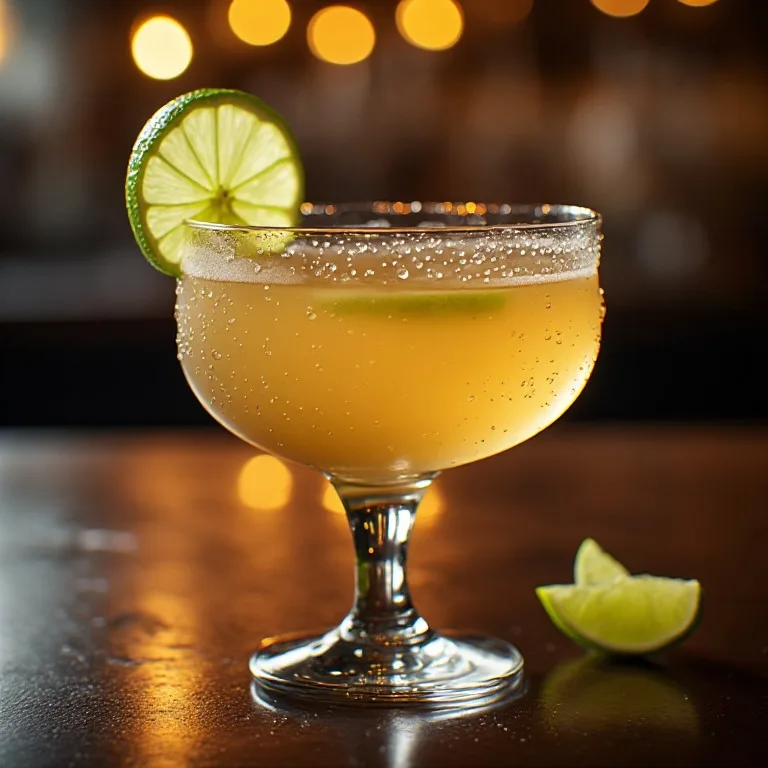
The Last Word should not work as neatly as it does. Dry gin, intensely herbal Green Chartreuse, sweet maraschino liqueur and sharp lime all arrive in identical measures. No ingredient appears to be in charge, yet the drink lands bright, aromatic and remarkably balanced.
Its history is just as compelling. The cocktail appeared by name on a Detroit Athletic Club menu in 1916, disappeared from broad view, and returned to modern bars after Seattle bartender Murray Stenson found the old formula decades later. The club connection is well documented. The identity of the original bartender is not.
What the Detroit Athletic Club Served
The earliest known printed record appears in a souvenir menu sent with the Detroit Athletic Club News in July and August 1916. The Last Word cost 35 cents, twice the listed price of a Manhattan. That menu proves the name and availability, but it does not print ingredients or identify a creator.
The complete formula appeared in Ted Saucier’s 1951 cocktail book Bottoms Up! Credited courtesy of the Detroit Athletic Club, it calls for one-quarter each dry gin, maraschino, Chartreuse and lime juice, served in a cocktail glass. Translating those fractions into 3/4 oz pours makes a compact modern serving without changing the defining ratio.
Recent October 2026 Detroit reporting says the cocktail continues to be served at the private club’s rooftop bar, itself named Last Word. A public current price and current house brands are not available. This recipe therefore reproduces the documented historic formula, not a claimed copy of an unpublished 2026 club spec.
The Frank Fogarty Story, Carefully Told
Saucier’s note says the cocktail was introduced “around here” roughly 30 years earlier by vaudeville performer Frank Fogarty, known as the Dublin Minstrel. That sentence created a lasting association between Fogarty and the drink, but it does not securely establish him as inventor.
Historians differ on what “around here” meant. It may refer to Fogarty carrying the drink from Detroit to New York. It could reflect an imperfectly remembered timeline. The 1916 DAC menu is firm evidence; the creator story is not. Calling the Last Word a Detroit Athletic Club cocktail with an unknown individual inventor is the most honest summary.
The drink later faded from common menus. In 2003, Murray Stenson encountered the recipe in Saucier’s book and served it at Seattle’s Zig Zag Cafe. Bartenders embraced its striking symmetry, and the revival inspired modern equal-parts descendants including the Final Ward and Naked and Famous.
Why Typical Last Words Lose Their Balance
The most common mistake is treating maraschino liqueur like cherry syrup. Maraschino is a clear, dry-edged liqueur with cherry-pit and almond notes. Bright red sundae cherry syrup cannot replace it and will overwhelm the drink with sugar.
The second problem is replacing Green Chartreuse with a generic sweet herbal liqueur without adjusting expectations. Chartreuse has a distinctive 55% ABV intensity and layers of mint, spice and alpine herbs. Alternatives can make an enjoyable drink, but they will not taste identical. When the real bottle is scarce, make the substitution openly rather than calling it the historic formula.
Finally, use fresh lime. Bottled lime juice lacks the vivid aroma needed to stand beside three liqueur-strength ingredients. The equal-parts recipe gives lime a full quarter of the drink, so tired juice has nowhere to hide.
The Key Technique: Respect the Equal Parts
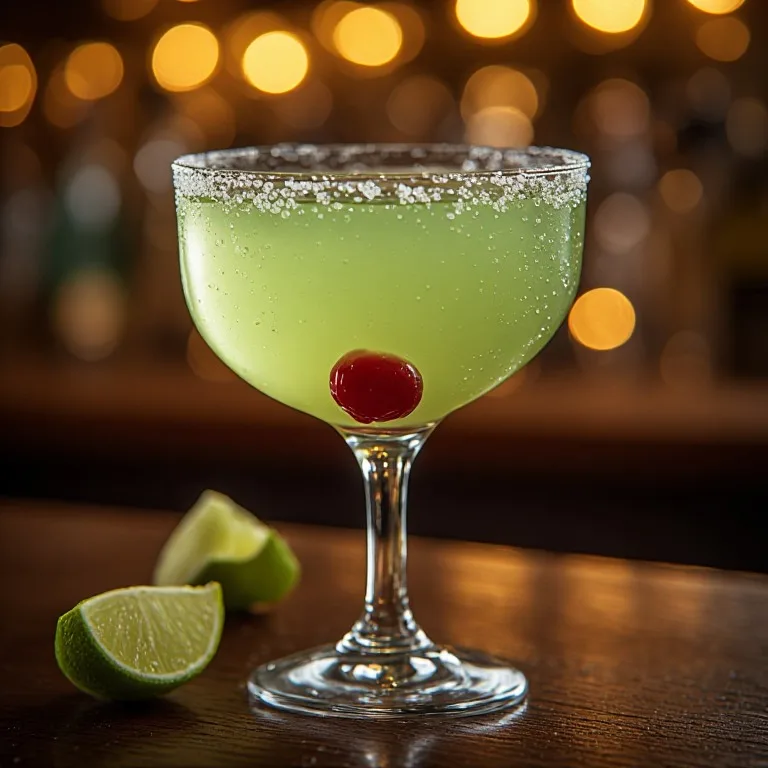
Measure all four ingredients accurately, chill the coupe and shake hard for 12 to 15 seconds. The vigorous shake supplies enough water to soften the alcohol and enough aeration to lift the lime. Double-straining gives the small drink a clean, polished texture.
A single quality maraschino cherry is a practical garnish, although historic garnish details are not established by the 1951 recipe. Some bartenders prefer no garnish or an expressed lime twist. None of those choices should distract from the pale green drink itself.
Batch Last Words for Eight
Combine 6 oz (180 ml) each gin, Green Chartreuse, maraschino liqueur and fresh lime juice. Add 6 oz (180 ml) cold water to replace shaking dilution and refrigerate until thoroughly cold.
Stir before serving, then pour 4 1/2 oz (135 ml) into each chilled coupe. Use the batch within four hours because fresh lime changes quickly. Keep it refrigerated throughout service and do not add ice to the coupes, which would keep diluting the carefully balanced drink.
The Zero-Proof Last Word
There is no single alcohol-free bottle that reproduces both Green Chartreuse and maraschino. The mocktail instead rebuilds their functions. A 0.0% gin alternative brings juniper and citrus. Strong green tea provides tannin, tart cherry hints at maraschino, and rosemary-basil syrup creates a fresh herbal middle.
To make the syrup, steep one small rosemary sprig and four basil leaves in 1/2 cup each hot water and sugar for 15 minutes, then strain and chill. Shake the mocktail exactly like the cocktail. Check the cherry and zero-proof spirit labels if avoiding even trace alcohol is important.
See more famous bar cocktails →