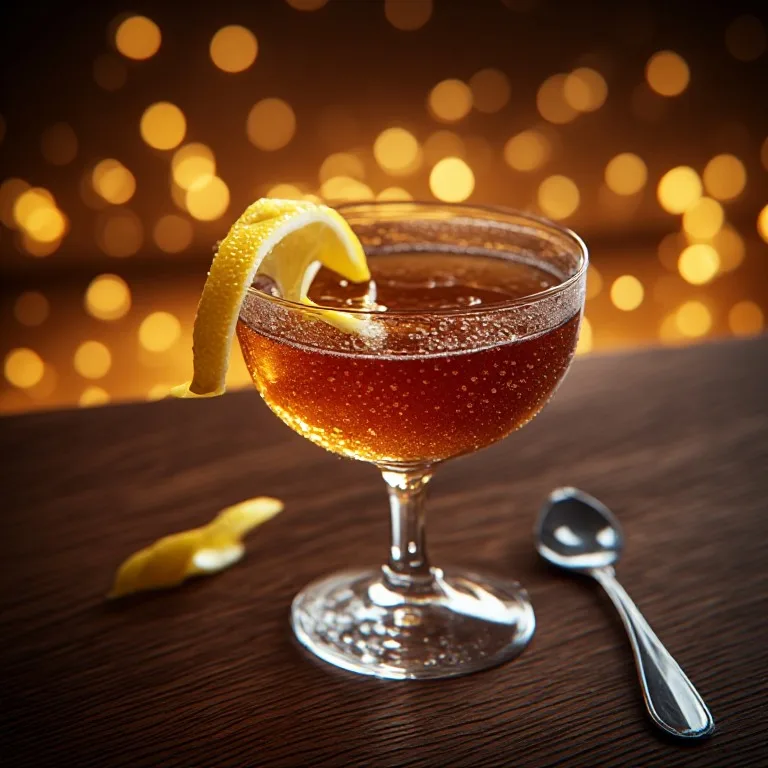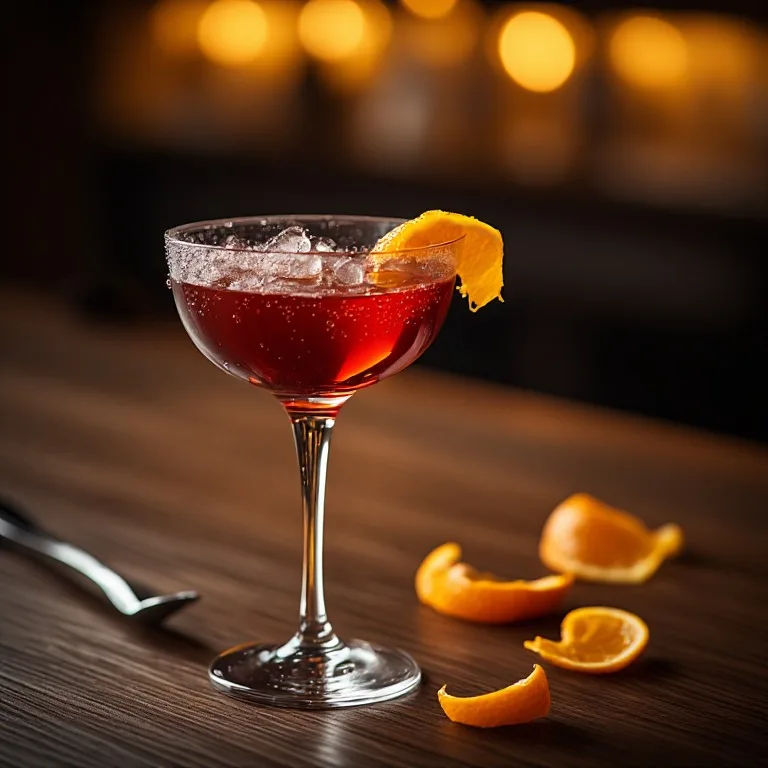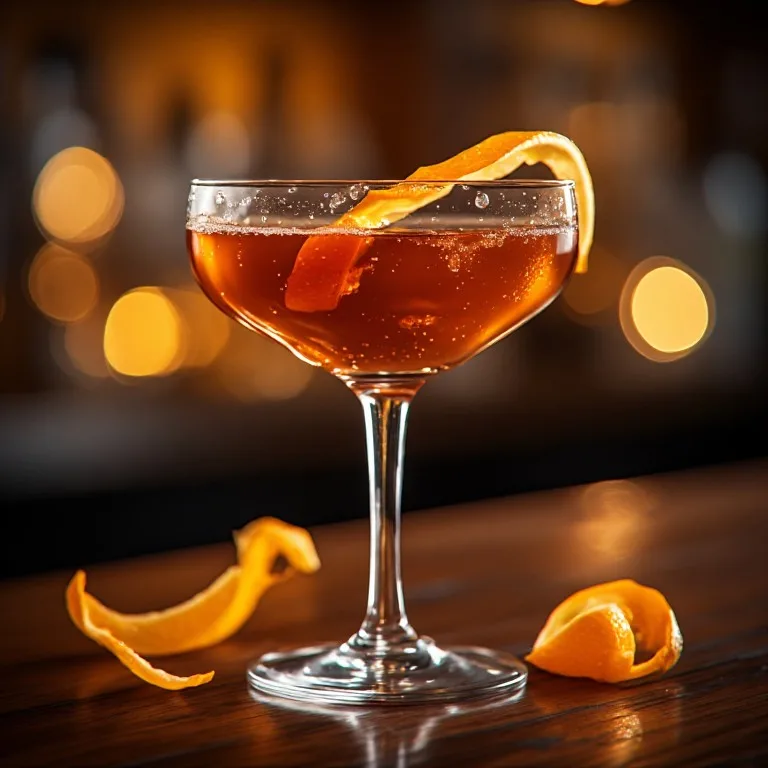
The Hanky Panky is only three ingredients, but one of them behaves like a trapdoor. Gin and sweet vermouth begin as a familiar sweet Martini. Then two dashes of Fernet-Branca introduce menthol, saffron, bitter roots and a dark herbal finish that seems far larger than the pour.
Ada “Coley” Coleman created the drink at the Savoy’s American Bar in London. The Savoy still serves it today, more than a century after actor and producer Sir Charles Hawtrey reportedly tasted Coleman’s new mixture and called it “the real hanky-panky.”
What the Savoy Actually Serves
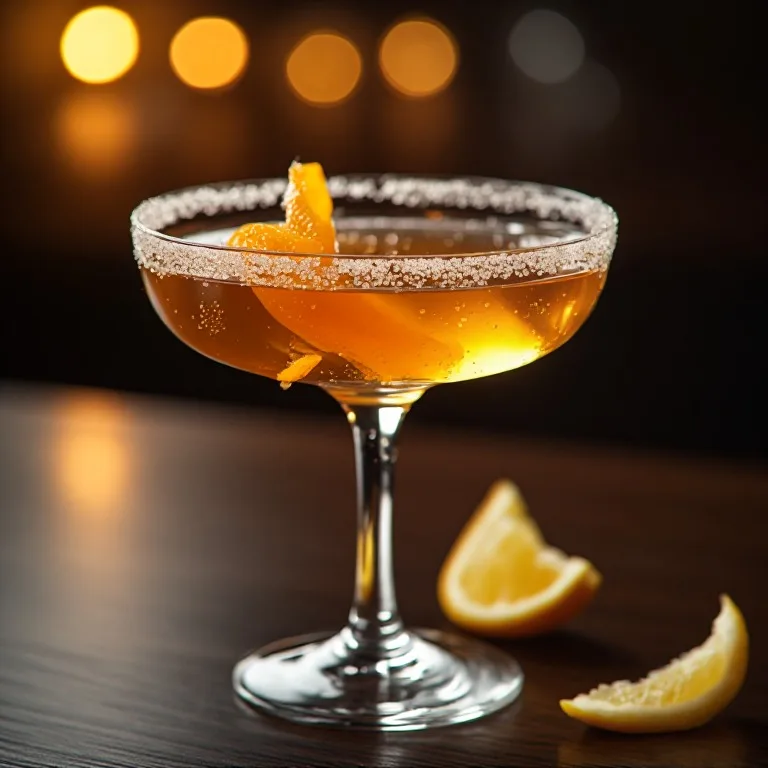
The Savoy describes Coleman’s combination as gin, sweet vermouth and a couple of dashes of Fernet-Branca, finished with an orange twist. The hotel says the original recipe remains available at the American Bar, including a vintage expression made with old bottles of all three alcoholic ingredients.
The clearest historic measurement appears in Harry Craddock’s 1930 Savoy Cocktail Book: one-half dry gin, one-half Italian vermouth and two dashes Fernet-Branca. “Italian vermouth” in that context means sweet red vermouth. This recipe translates the equal parts into a practical one-and-a-half-ounce pour of each.
The current American Bar menu foregrounds its Liquid Moments signatures rather than publishing every classic or a Hanky Panky price. It is therefore accurate to call the drink available, but not to invent a current price from an older menu or a different bar.
The Origin Story, With the Date Left Open
Coleman led the American Bar from 1903 until 1926. In newspaper interviews published as 1925 turned into 1926, she explained that Hawtrey had asked for something with “a bit of punch.” She experimented, served him the result on a later visit, and his reaction supplied the name.
That broad story has unusually solid contemporary support for cocktail history. The year does not. Coleman said the event happened “some years” earlier. Drink historians now identify 1921 as a plausible date because Hawtrey was producing and acting at the Savoy Theatre next door, but it remains an informed estimate. The safe timeline is: created before Hawtrey’s death in 1923, discussed publicly in 1925, and printed in 1930.
Why Typical Copycats Fail
Too much Fernet is the obvious problem. Half an ounce may sound adventurous, but it erases Coleman’s elegant structure. Start with two firm dashes, about one-eighth ounce. You should notice the cooling bitter finish after the gin and vermouth, not taste Fernet alone.
Stale vermouth is the quieter problem. Because vermouth is half the drink, a dusty open bottle produces a dull, oxidized cocktail. Refrigerate sweet vermouth after opening and replace it when its fruit and spice have faded.
Finally, do not shake it. Shaking makes the drink colder quickly, but it also clouds the appearance and adds a brisk, aerated texture. Slow stirring creates the clear, silky finish this compact classic needs.
The Key Technique: Dilute the Equal Parts
An equal-parts gin-and-vermouth cocktail needs enough water to open the botanicals. Fill the mixing glass with plenty of hard ice and stir for 25 to 30 seconds. The finished drink should gain roughly three-quarters of an ounce of dilution.
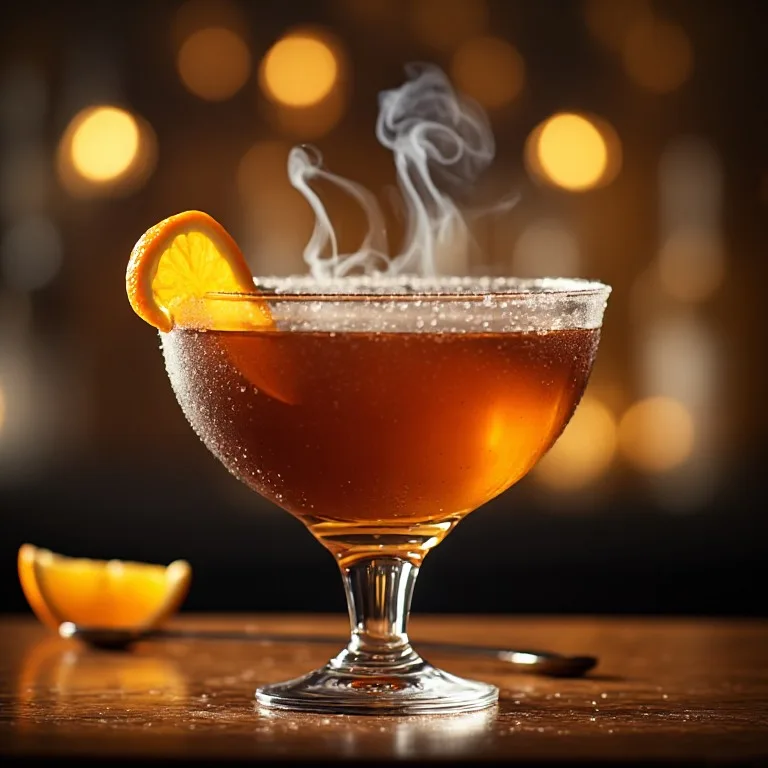
Taste after 20 seconds if your ice is small or wet. Once the sharp alcoholic heat recedes and the vermouth’s spice becomes clear, strain immediately. Express a broad orange peel over the surface. Its fresh oil connects the gin’s citrus with Fernet’s bitter orange and makes the first sip feel brighter than the drink’s brown-red color suggests.
Batch Eight Hanky Pankys
Combine 12 oz (360 ml) London dry gin, 12 oz (360 ml) sweet vermouth, 1 oz (30 ml) Fernet-Branca and 6 oz (180 ml) filtered water in a sealed bottle. Refrigerate for at least four hours.
Pour just under 4 oz (115 ml) into each chilled coupe. Express a fresh orange twist over every serving rather than putting peels in the bottle, where the pith can turn the batch harsh. Keep the batch refrigerated and use it within a week because vermouth remains perishable after mixing.
Coley’s No-Panky Mocktail
The zero-proof version must replace more than gin’s aroma. A good nonalcoholic rosso aperitif brings grape, spice and bitterness, while a 0.0% London-dry alternative adds juniper and citrus. Strong mint-rosemary tea stands in for Fernet’s cooling herbal snap.
Steep a mint tea bag and a small rosemary sprig in 4 oz (120 ml) hot water for five minutes, then chill it. Use only a teaspoon per drink. Too much turns the mocktail grassy, just as too much Fernet overwhelms the original. Stir, strain and finish with orange oil so both versions share the same fragrant opening.
The Hanky Panky endures because Coleman’s small addition changed a familiar drink without burying it. Respect the equal parts, measure the Fernet with restraint and let the orange peel do the final piece of work.
See more famous-bar cocktail recipes →