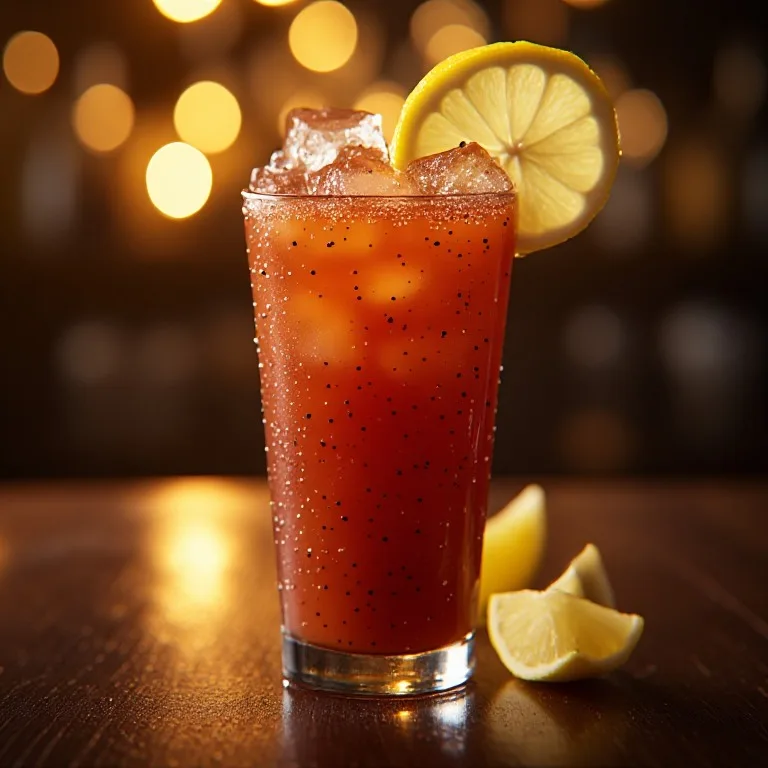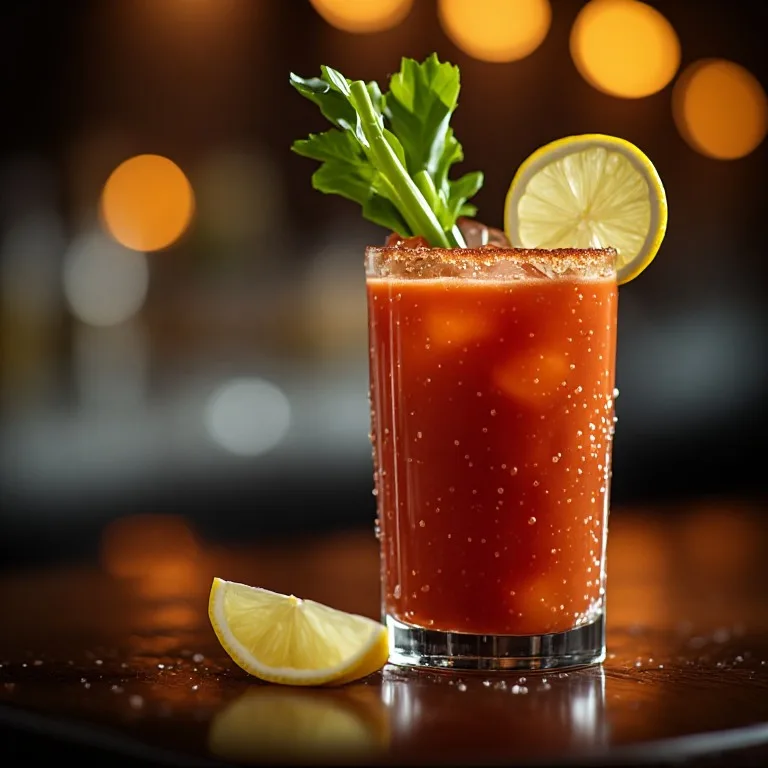
Harry’s New York Bar in Paris has the kind of cocktail history that attracts confident legends. Its Bloody Mary is one of them: a cold, spicy mixture of vodka and tomato that the bar traces to bartender Fernand Petiot in 1921. The drink is real, current and deeply connected to the room. The exact origin story is less tidy.
This copycat stays close to the ingredient list documented at Harry’s today. It uses vodka, tomato juice, lemon, Worcestershire, Tabasco, salt and pepper, with no bacon tower or slider balanced over the rim. It is a drink first and a brunch garnish second.
What Harry’s Actually Serves
A recent Paris venue guide lists Harry’s Bloody Mary with vodka, lemon juice, tomato juice, Worcestershire sauce, Tabasco, salt and pepper, priced at about €16. The bar has not published the measurements behind that list, so any home formula claiming to be the exact secret recipe goes beyond the available evidence.
Its place on the menu is not merely historical. The Macelhone family, who still own the bar, have said they sell more than 12,000 Bloody Marys in a typical year. That makes it one of the bar’s living signatures, not a museum piece ordered only for the story.
The 1921 Story, With a Caveat
Harry’s says Fernand “Pete” Petiot mixed the first Bloody Mary there in 1921. One version of the story has an American customer connecting the red drink to a Chicago club called the Bucket of Blood and a woman named Mary. That colorful naming tale is difficult to verify.
The formula also evolved. An early drink may have been equal parts vodka and tomato juice. In a 1964 interview, Petiot said entertainer George Jessel had made that simple combination, while he initiated the seasoned Bloody Mary of the modern bar. A 1939 newspaper reference did credit Jessel with half tomato juice and half vodka. Petiot later worked at the St. Regis in New York, where the spiced drink became known as the Red Snapper.
Harry’s therefore has a credible and important connection to the Bloody Mary, but “invented here in 1921” is a venue claim rather than a settled historical verdict.
Why Typical Copycats Miss
The first failure is treating the drink like a bottle of hot sauce with tomato added. Tabasco should provide a clean spark, not erase the lemon and vodka. Start with three dashes and let guests add more.
The second is piling on sweet cocktail sauce, horseradish, pickle brine and half the refrigerator. Those can make a good personal Bloody Mary, but they move away from Harry’s compact documented list. Worcestershire already brings acid, sweetness, salt and deep savory flavor. A quarter ounce is enough.
Finally, avoid an aggressive shake. Tomato juice traps air, creating a pale foam and a texture closer to a smoothie. The drink should feel full but pour cleanly.
The Key Technique: Roll It Cold
Build the liquid in one shaker tin, add ice and pour it gently into a second tin. Repeat four times. Bartenders call this rolling. It integrates dense juice and thin vodka while limiting aeration.
Taste a spoonful before straining. Tomato juice brands vary dramatically in salt. Add another small pinch only if it tastes flat, and remember that Worcestershire contributes sodium too. Fresh lemon is essential because it lifts the heavy tomato without adding more heat.
Strain over new ice rather than dumping in the tired rolling ice. A celery heart and lemon wedge are enough garnish to signal the classic without turning the glass into lunch.
Make a Brunch Pitcher for Eight
Combine 16 oz (480 ml) vodka, 32 oz (960 ml) tomato juice, 4 oz (120 ml) lemon juice, 2 oz (60 ml) Worcestershire, 24 dashes Tabasco, 1 teaspoon fine salt and 1 teaspoon freshly ground pepper. Refrigerate in a sealed pitcher for up to 8 hours.
Stir thoroughly before each round because the seasoning settles. Pour about 6 3/4 oz (200 ml) over fresh ice in each glass. Put extra hot sauce, lemon wedges and pepper beside the pitcher so guests can adjust heat without changing the whole batch.
The Rue Daunou Virgin Mary
A zero-proof Bloody Mary does not need a sugary spirit substitute. Strong cold black tea supplies tannin and a dry finish, while a pinch of smoked paprika adds warmth and depth. The result still tastes like a deliberate savory cocktail rather than seasoned juice.
Use an alcohol-free Worcestershire sauce if avoiding alcohol completely. It also makes sense to check whether the sauce contains anchovy when serving vegan guests. Roll the mocktail exactly like the vodka version and keep the garnish simple.
The best Harry’s-style Bloody Mary is restrained, cold and properly seasoned. Its history can remain complicated; the glass itself should not be.