Pin It

Ritz Paris Sidecar: Cognac, Cointreau and a Disputed 1920s Origin

More like this: Shepheard's Hotel Suffering Bastard: Cairo's Gin, Brandy and Ginger Classic, Arnaud's French 75: The Cognac Pour New Orleans Made Its Own, Ritz Paris Serendipity: Calvados, Apple, Mint and Champagne, Parmesan Espresso Martini: The Salty 2023 Viral Cocktail, and Bonefish Grill Fresh Pineapple Martini: Coconut Rum, Elderflower, and Crushed Fruit.

Last updated October 29, 2026

Ritz Paris Sidecar: Cognac, Cointreau and a Disputed 1920s Origin
The specStrong
Spirit
Brandy
Glass
Coupe
Method
Shaken
Garnish
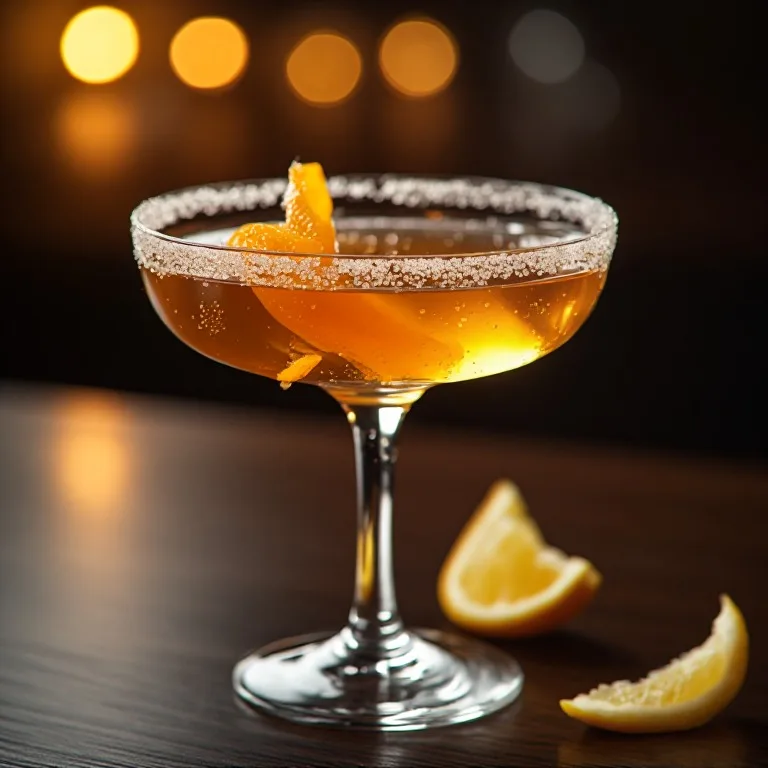
Expressed orange twist and optional half-sugar rim
ABV (est.)
~24%
Standard drinks
1.8

1 US standard drink = 0.6 oz (14 g) pure alcohol. Estimates assume normal dilution.Make it a mocktail →

Jump to Recipe
Prep 5 min Serves 1 cocktail

Ritz Paris Sidecar: Cognac, Cointreau and a Disputed 1920s Origin

The Ritz Paris links its Sidecar to bartender Frank Meier in 1923, but an earlier printed recipe points to Pat MacGarry in London. This balanced Cognac sour honors both records and includes a zero-proof version.

Easy Prep: 5 min1 cocktail servings ~$2.10/serving
Prep5 min
Servings
1

Is it cheaper to make at home?

At home~$2.10/serving
vs
Restaurant~$9.45/serving
You save ~78%

What's the story behind this drink?

The Ritz Paris links its Sidecar to bartender Frank Meier in 1923, but an earlier printed recipe points to Pat MacGarry in London. This balanced Cognac sour honors both records and includes a zero-proof version.

Nutrition Facts

Per serving (1 cocktail servings)
Calories225
Total Fat0g
Total Carbs14g
Sugars12g
Protein0g

* Estimated values based on standard recipe preparation. Actual values may vary.

Ingredients

Instructions

What makes this work?

💡
Pro tip: Chill your glass and use fresh citrus squeezed the same day. Taste before you pour; a few drops of lime or simple syrup fixes most balance issues.
❄️
Batching: Mix everything except ice and bubbles up to a day ahead and keep it in the fridge. Shake or stir each drink with ice to order. Fresh citrus is best within 24 hours.
Make it a mocktail · zero proof

Paris Sidecar Zero

Alcohol-free brandy and strong black tea recreate the original's oak and tannin. Orange marmalade brings peel bitterness and sweetness without relying on an alcoholic orange liqueur.

Ingredients

  • 1 1/2 oz (45 ml) alcohol-free brandy alternative
  • 1/2 oz (15 ml) strong chilled black tea
  • 3/4 oz (22 ml) fresh lemon juice
  • 2 tsp smooth orange marmalade
  • 1 tsp rich simple syrup, if needed
  • Superfine sugar for an optional half-rim
  • Orange twist and ice

Steps

  1. Prepare a chilled coupe with an optional half-sugar rim.
  2. Shake the alcohol-free brandy, tea, lemon juice and marmalade hard with ice; taste and add simple syrup only if the marmalade is very bitter.
  3. Double-strain into the coupe and express an orange twist over the surface.

About 75 calories per drink · 0% ABV

Free PDF: The Copycat Bar Book. 75 copycat cocktails, each with a zero-proof version.

The Sidecar is one of the cleanest tests of a bar’s sour-making instincts. Three ingredients leave nowhere for stale citrus, weak brandy or careless dilution to hide. When it is right, Cognac leads with dried fruit and oak, Cointreau carries orange through the middle, and lemon closes the drink with a bright snap.

The Ritz Paris has a genuine place in that story, but calling the hotel the uncontested birthplace goes beyond the evidence.

What the Ritz Paris Actually Serves

In an official 2025 post, the Ritz Paris presented a Sidecar reimagined by head bartender Romain de Courcy. The hotel said Frank Meier brought the cocktail to fame at the Ritz in 1923. A Ritz festive menu has also featured a Side-Car Martini, a hybrid of the Sidecar and Dry Martini.

That verifies an active house connection, not a permanent classic-menu recipe. The current public pages for Bar Hemingway and the Ritz Bar describe signature cocktails, rare spirits and drinks made to a guest’s taste, but they do not show a classic Sidecar with measurements or a current price. It may be available by request, but that should not be mistaken for a confirmed menu listing.

No reliable historical connection to Hotel del Coronado surfaced in the research. The documented dispute centers on Paris and London, so this recipe uses the Ritz Paris identity.

The Origin Is Genuinely Disputed

The strongest early evidence is a printed recipe. Robert Vermeire’s 1922 book Cocktails: How to Mix Them gives equal parts fresh lemon juice, Cointreau and Cognac. Vermeire says the drink was already popular in France and that Pat MacGarry, bartender at Buck’s Club, introduced it in London.

The Ritz account places Frank Meier’s version in 1923. Those facts can coexist if Meier popularized or refined a drink that was already circulating, but they make a clean invention claim impossible. Stories about a customer arriving in a motorcycle sidecar are colorful, yet the identity of that customer and the exact bar change from one retelling to another.

Why Typical Copycats Miss

An equal-parts Sidecar is historically defensible, but modern Cointreau and fresh lemon can crowd out the Cognac. At the other extreme, ultra-dry formulas taste like chilled brandy with a squeeze of lemon. The 2:3/4:3/4 ratio keeps the base spirit clear without losing the orange-laced sour character.

Bottled lemon juice is especially damaging here. Its flat, cooked edge has nothing to hide behind. Squeeze the lemon shortly before mixing and fine-strain the drink so pulp does not interrupt the silky texture.

Do not automatically coat the entire rim in sugar. A full crust makes every sip sweeter and can turn a balanced drink into candy. Half a rim gives the guest a choice.

The Key Technique: Control Dilution

Start with a cold glass and plenty of hard ice. Shake for 12 to 15 seconds, then strain immediately. The target is roughly one ounce of water from the shake, enough to soften the alcohol and open the Cognac without making the drink thin.

VS Cognac gives a lively, fruit-forward result. VSOP brings more oak and dried-fruit depth. There is no need to imitate the famously expensive Ritz Sidecar stories with a museum bottle: use a Cognac you enjoy, but not one whose nuance you would regret mixing with lemon.

Batching for Eight

Combine 16 oz (480 ml) Cognac, 6 oz (180 ml) Cointreau and 6 oz (180 ml) fresh lemon juice. Refrigerate the base for no more than a few hours because fresh citrus fades.

For the best texture, shake each 3 1/2 oz portion with ice and double-strain. For faster service, add 8 oz (240 ml) cold water to the batch, chill it thoroughly and pour 4 1/2 oz (135 ml) per coupe. The pre-diluted version will be smooth but less aerated.

The Paris Sidecar Zero

A zero-proof Sidecar needs more than orange juice and lemon. Alcohol-free brandy provides wood and fruit, while strong black tea adds the drying tannin normally supplied by Cognac. Orange marmalade contributes sweetness, concentrated citrus and a little peel bitterness.

Shake hard so the marmalade dissolves, then double-strain. Alcohol-free spirits vary widely in sweetness, so taste before adding the optional simple syrup.

See all Ritz Paris copycat drinks →
Enjoy responsibly. Must be 21+. One US standard drink is about 0.6 fl oz of pure alcohol (National Institute on Alcohol Abuse and Alcoholism: What Is a Standard Drink?).

Sources

Free · Personalized PDF · BetaAdd Ritz Paris Sidecar: Cognac, Cointreau and a Disputed 1920s Origin to your free custom bar bookLoved this one? Start a personalized PDF bar book of your favorite copycat cocktails (mocktail versions included) — we build it and email it to you, free while in beta.Add this recipe →

What equipment do you need?

Cocktail shaker

Chills, dilutes and aerates the Cognac sour

Jigger

Keeps the strong, sweet and sour components in balance

Hawthorne and fine-mesh strainers

Remove ice chips and lemon pulp for a polished hotel-bar texture

Coupe

Serves the drink cold and without ice

Common questions

What is in a Sidecar cocktail?

A Sidecar contains Cognac or another brandy, orange liqueur and fresh lemon juice. This version uses 2 oz Cognac with 3/4 oz each Cointreau and lemon, a modern balance that is drier than the earliest equal-parts recipes.

Was the Sidecar invented at the Ritz Paris?

The Ritz Paris says bartender Frank Meier brought the drink to fame there in 1923. However, Robert Vermeire printed an equal-parts Side-Car in 1922 and said Pat MacGarry of Buck's Club introduced it in London. The surviving evidence does not settle who first invented it.

Is the Sidecar currently on the Ritz Paris menu?

The Ritz promoted a Sidecar reimagined by head bartender Romain de Courcy in a 2025 official post, and a Ritz festive menu featured a Side-Car Martini variation. Its current public bar pages do not itemize a classic Sidecar or price, so present-day list availability is unconfirmed.

How strong is this Sidecar?

It contains about 1.8 US standard drinks and finishes near 24% ABV after a normal hard shake. It is a short, spirit-forward cocktail even though the lemon makes it taste bright.

Should a Sidecar have a sugar rim?

The sugar rim is optional and is not part of the earliest printed recipe. A half-rim is the best compromise: sip from the sugared side for a softer drink or the bare side for a drier one.

How do I batch Sidecars for a party?

For eight, combine 16 oz (480 ml) Cognac, 6 oz (180 ml) Cointreau and 6 oz (180 ml) fresh lemon juice. Chill, then shake each 3 1/2 oz portion with ice before serving. Pre-diluting works too, but individual shaking gives the best texture.

How do I make a Sidecar without alcohol?

Use the Paris Sidecar Zero below. Strong black tea and alcohol-free brandy supply tannin and barrel notes, while orange marmalade replaces the orange liqueur's bittersweet citrus.

Free PDF · 75 cocktails · Zero-proof versions

Love this one? Get all 75 in the free Copycat Bar Book.

The 75 copycat cocktails people order most, chapters by spirit, with a zero-proof version of every drink. Free download.

Get the Bar Book →

Love this recipe? Share it!

Free PDF: The Copycat Bar Book. 75 copycat cocktails, each with a zero-proof version.

What do readers say?

—
No ratings yet

Rate this recipe

Click a star to rate

Leave a Review

0/500

AB

Ankit Bhasin

Every drink on Copycat Cocktail is researched against what the restaurant or bar actually serves, specced in ounces, and paired with a zero-proof mocktail version. Where history or specs are uncertain, we say so.

Learn more about our mission →