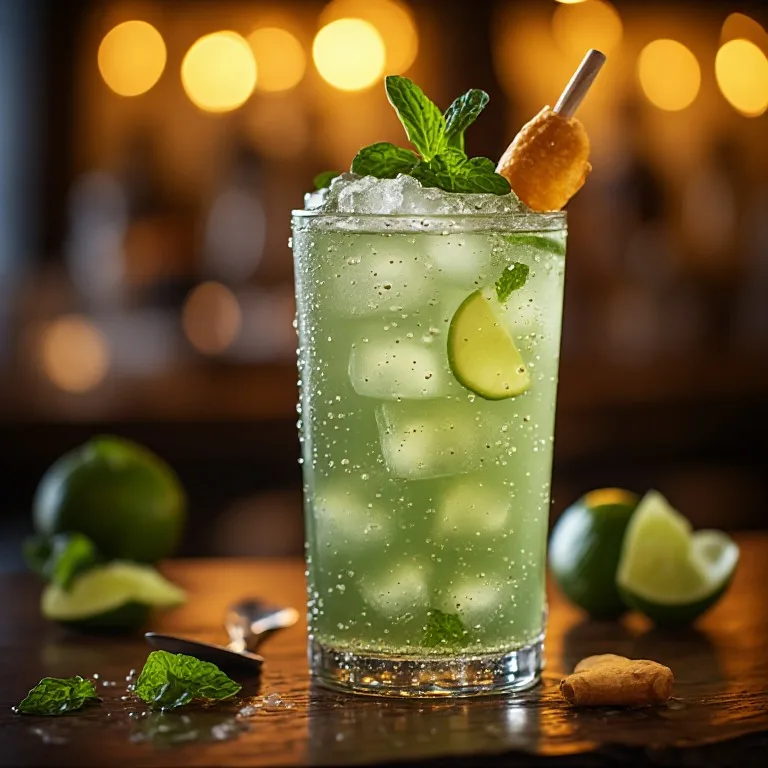
The Suffering Bastard is not one recipe but a small family of drinks sharing a memorable name. The version tied to Shepheard’s Hotel in Cairo is the oldest and most historically grounded: equal parts gin and brandy, sweetened lime cordial, aromatic bitters and a lively ginger top.
It is a split-base buck with more history than its simple build suggests. The ginger is brisk, lime keeps the two spirits focused, and bitters connect gin’s botanicals to brandy’s fruit and oak. Despite its reputation as a wartime hangover remedy, it is still an alcoholic cocktail, not a cure.
What Shepheard’s Hotel Served
Joe Scialom worked behind the Long Bar at Cairo’s Shepheard’s Hotel during World War II. A documented recipe associated with Scialom calls for 1 oz each gin and brandy, 1/2 oz lime cordial, 2 dashes Angostura bitters and ginger beer, with orange and mint as garnish. That is the formula used here.
Modern references often print fresh lime instead of cordial, and the International Bartenders Association takes that route. American recipes frequently swap bourbon for brandy. Both can make good drinks, but neither should quietly replace the historical ingredients in a recipe presented as Scialom’s original style.
The hotel where Scialom worked cannot provide a current menu or price. The original Shepheard’s was destroyed during the Cairo Fire on January 26, 1952. Later Cairo hotels used the name, but they are not the same building or Long Bar.
The Wartime Story, With Caution
The drink is generally dated to 1942, when Cairo was crowded with Allied troops and correspondents during the North African campaign. Scialom later described working with rough or limited wartime supplies. The name reportedly began as the more polite “Suffering Bar Steward” before taking its familiar form.
Accounts say British officers requested batches at the front and that Scialom sent gallons in containers by taxi. That story was widely repeated and helped build the cocktail’s legend. The broad Shepheard’s and Scialom connection is well supported; every logistical detail of the battlefield tale is not independently documented.
The most responsible telling keeps the distinction clear. Scialom created the drink at Shepheard’s during the war. The rest is vivid, plausible lore, not a reason to claim the cocktail changed military history.
Why Modern Versions Get Confused
The first source of confusion is bourbon. Later recipes pairing gin and bourbon became common enough that many drinkers assume whiskey was original. Scialom’s documented formula says brandy. A young, clean VS brandy works better here than a very old cognac because ginger and cordial would hide the expensive nuances.
The second is tiki. Trader Vic developed a rum-based Suffering Bastard with tropical modifiers. It shares the name but not the structure. A decorative ceramic mug may be fun, yet rum, orgeat and curaçao belong to that separate branch.
Finally, ginger ale and ginger beer have changed across place and time. Historical accounts mention a strongly seasoned English-style ginger ale. A modern spicy ginger beer is the closest easy match. Choose one with real bite rather than a soft, very sweet soda.
The Key Technique: Keep the Ginger Alive
Shake only the gin, brandy, cordial and bitters. Carbonated ginger beer never belongs in the shaker. Strain the cold base over fresh ice, add 4 oz of ginger beer slowly and lift once with a bar spoon.
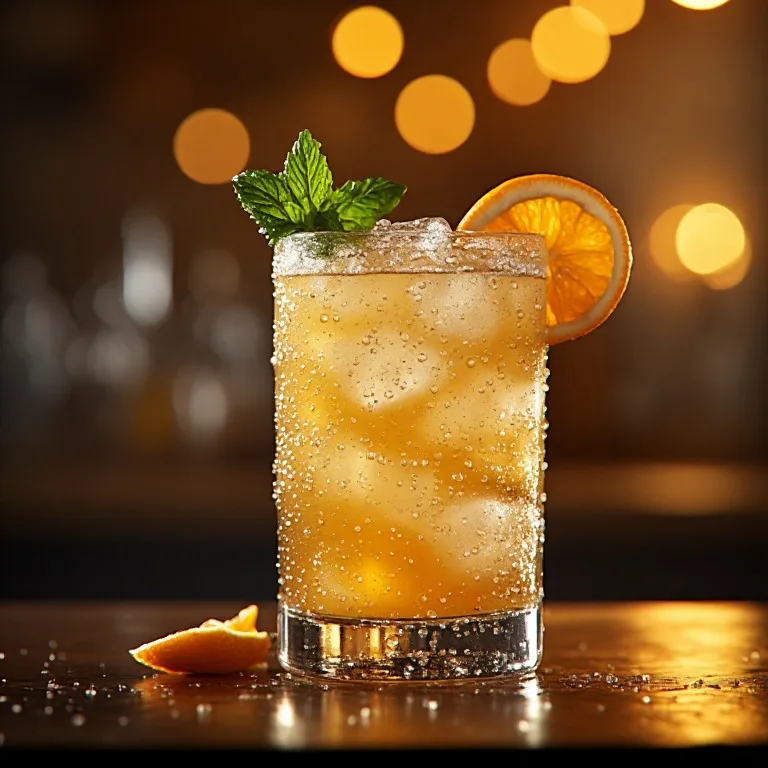
That brief stir distributes the dense base while preserving bubbles. Garnish with orange and mint, both documented choices. Clap the mint once instead of crushing it so the aroma stays fresh rather than grassy.
Batch Suffering Bastards for Eight
Combine 8 oz (240 ml) London dry gin, 8 oz (240 ml) brandy, 4 oz (120 ml) lime cordial, 16 dashes Angostura bitters and 4 oz (120 ml) cold water. Refrigerate until very cold.
For each serving, pour 3 oz (90 ml) of batch over fresh ice and top with 4 oz (120 ml) chilled ginger beer. Stir once and garnish. Do not add ginger beer to the pitcher in advance because the batch will go flat before the last glass is poured.
The Suffering Zero-Proof Highball
The mocktail keeps the drink’s split-base idea. A 0.0% gin alternative supplies juniper, while double-strength black tea brings the tannin and dryness normally contributed by brandy. Lime cordial preserves the historical sweet-sour shape, and a tiny pinch of allspice replaces aromatic bitters without hidden alcohol.
Use a genuinely spicy ginger beer and check its label if strict zero alcohol matters. Some traditionally fermented products may contain trace alcohol, while mainstream soft-drink versions are typically sold as nonalcoholic.
See more historic bar cocktails →