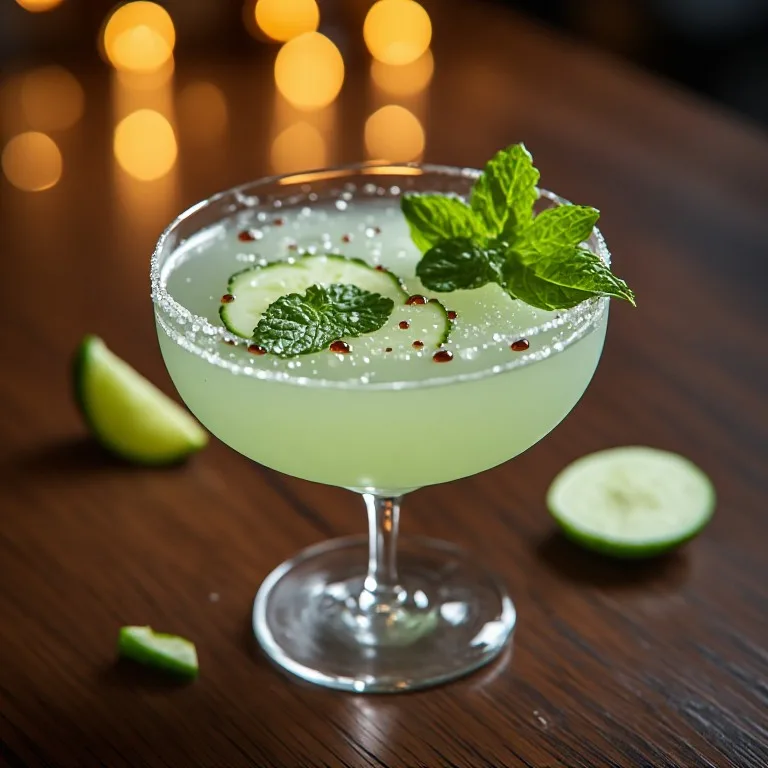
The Juliet & Romeo smells like a flower garden and drinks like a sharp, cold gin sour. Cucumber and mint make the first impression, but lime, salt and London dry gin keep it from becoming sweet spa water. Rose water and aromatic bitters hover over the top rather than dominating every sip.
Toby Maloney created the cocktail at The Violet Hour in Chicago around 2007. It became one of that influential bar’s signatures, and Maloney later put a precise version in his 2022 book, The Bartender’s Manifesto. The venue itself is now history, which makes an accurate home version more useful than vague claims about a current menu.
What The Violet Hour Actually Served
Maloney’s published build calls for Beefeater gin, lime juice, equal-parts simple syrup, three cucumber slices, two mint sprigs, five drops of rose water, five drops of Angostura bitters and a pinch of salt. The garnish adds another drop of rose water to a floating mint leaf, with three bitters drops around it.
That detail matters because many online adaptations simplify the drink or add egg white. Egg white is not in Maloney’s published formula. Other versions use rich syrup and fewer mint leaves, which can still taste good but change the original balance.
The cocktail is often dated to circa 2007, the year The Violet Hour opened. A precise day or first menu has not surfaced in the sources reviewed, so “around 2007” is the honest claim. The bar closed permanently in June 2025 after plumbing and landlord problems. Its website remained online with old opening hours, but you can no longer order the drink there and there is no current price.
Why Typical Copycats Fail
Rose water is the fastest way to ruin this drink. Five drops in the shaker and one on the garnish create perfume without making the cocktail taste soapy. A dash can be several times larger than a drop, so an eyedropper is worth using.
Cucumber skin can also bring a tough vegetal bitterness. Peel the cucumber, use thin fresh slices and muddle only until juice appears. Mint is even more delicate. Pressing it once or twice releases aroma; grinding it into the tin releases chlorophyll and leaves green fragments that survive ordinary straining.
Finally, do not mistake the soft aroma for a light pour. Two ounces of gin make this a strong sour. The full 3/4 ounce each of lime and syrup gives it a clean sweet-tart frame, while a small pinch of salt makes the cucumber taste brighter.
The Key Technique: Separate Flavor From Aroma
The drink contains rose water and bitters, but the garnish repeats them above the liquid. That layered method is the point. Drops shaken into the cocktail integrate with lime and gin; drops on the surface reach your nose first.
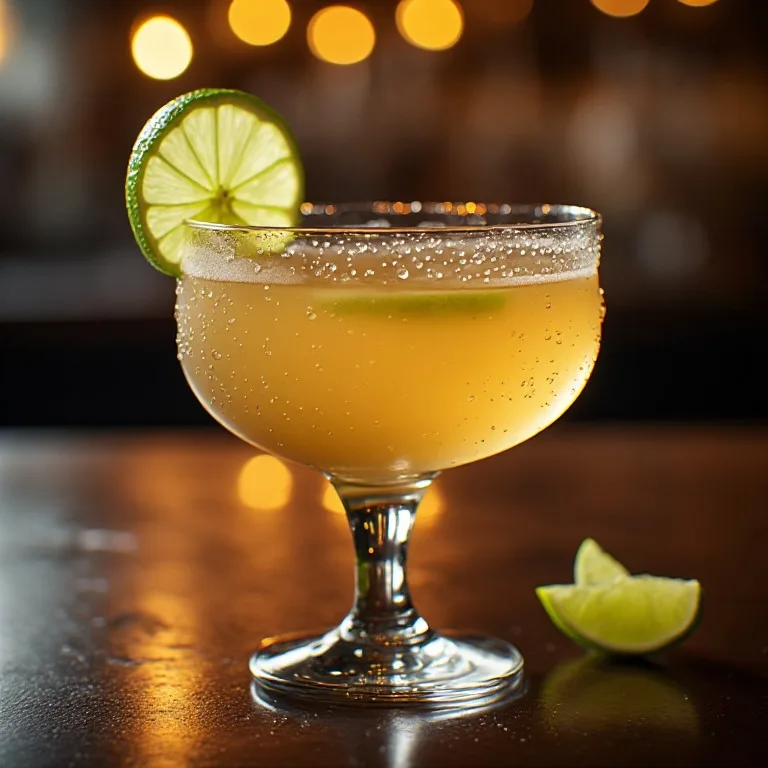
Fine-straining is equally important. Pass the drink through both the shaker strainer and a fine-mesh strainer into a thoroughly chilled coupe. The finished cocktail should look polished, with one mint leaf floating cleanly on top. Place the garnish drops carefully and serve at once, before the leaf sinks or wilts.
Batch the Base for Eight
Combine 16 oz (480 ml) London dry gin, 6 oz (180 ml) fresh lime juice, 6 oz (180 ml) 1:1 simple syrup, 40 drops rose water and 40 drops Angostura bitters. Refrigerate the sealed base for no more than four hours because it contains fresh lime.
For each drink, muddle three peeled cucumber slices with a pinch of salt, add two mint sprigs and press gently. Pour in 3 1/2 oz (104 ml) of the batch, shake with ice and fine-strain. Garnish each glass individually. Do not muddle all the cucumber and mint into the pitcher ahead of time; prolonged contact makes the batch bitter and dull.
The Juliet’s Garden Mocktail
A good zero-proof version needs botanical dryness, not extra juice. Choose a 0.0% gin-style spirit that leans toward juniper rather than sweetness. It gives lime and cucumber a firm base while mint and rose water carry the recognizable aroma.
Angostura is alcoholic, so standard bitters do not belong in a strict 0.0% drink. Use alcohol-free aromatic bitters with a warm spice profile, or leave them out. The mocktail still works because salt, herbs and the aromatic garnish supply plenty of complexity.
See more historic bar cocktails →