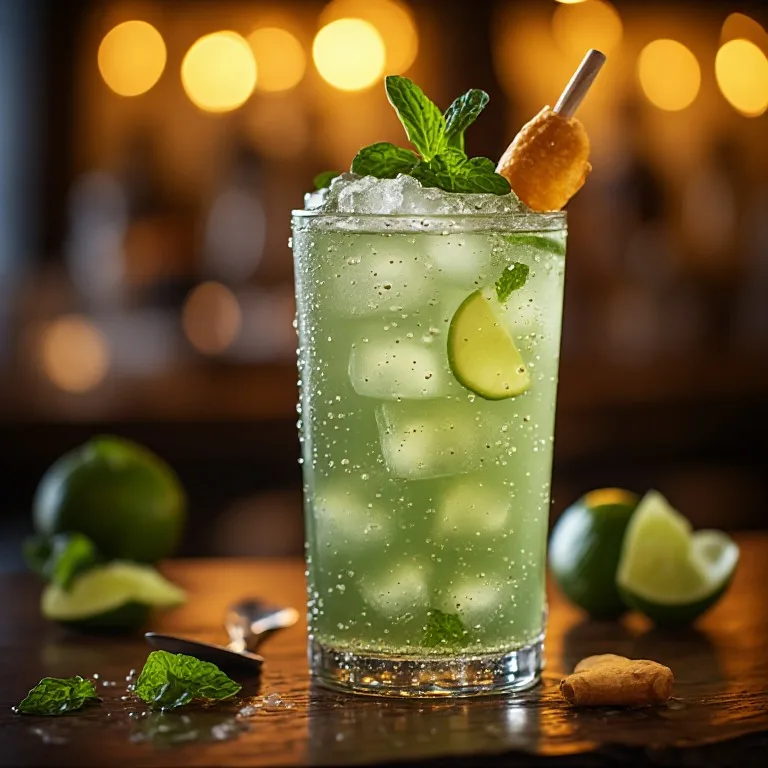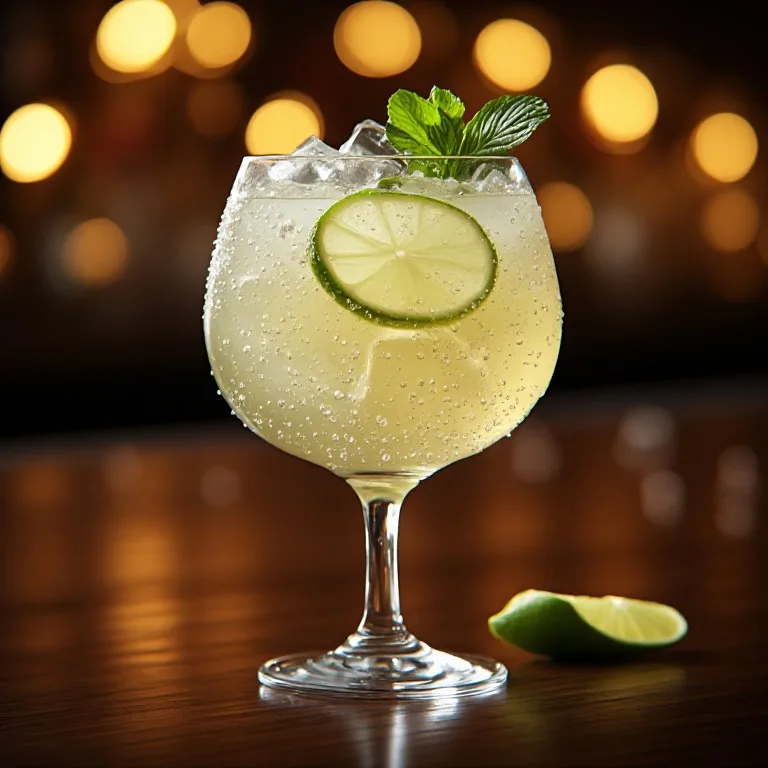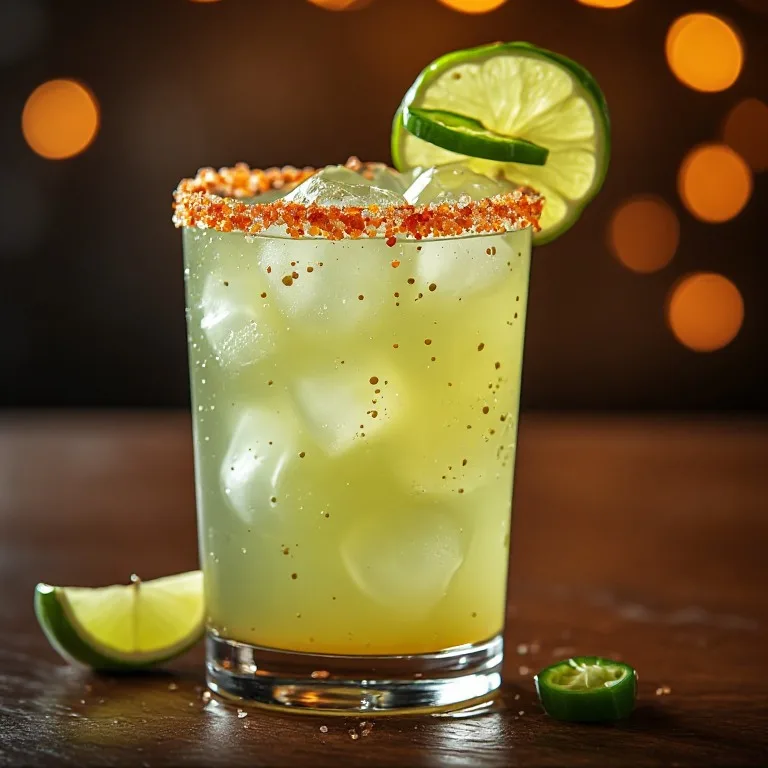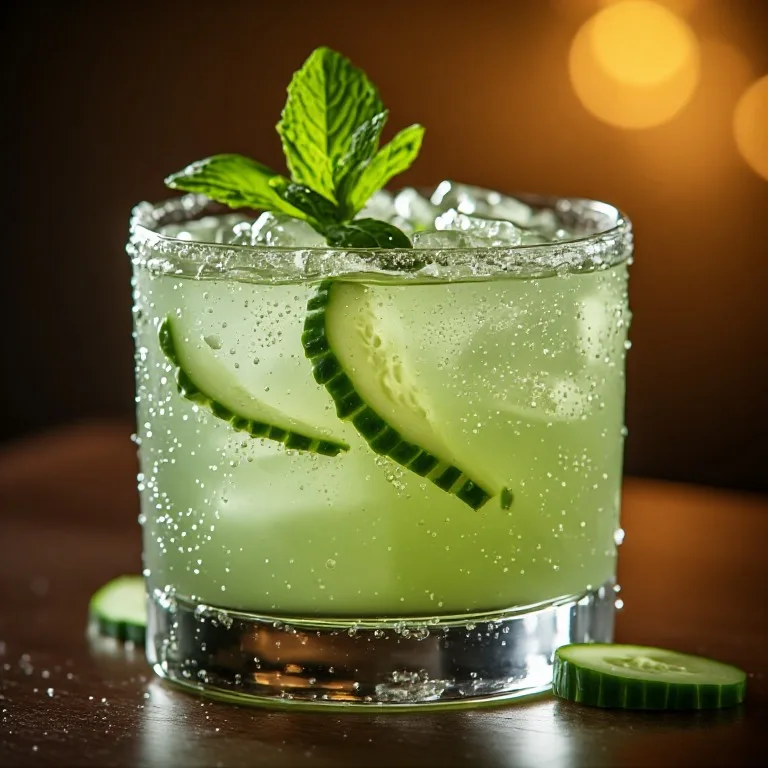
The Cucumber Gin Smash is built for the camera: pale green, packed with fresh herbs and finished with a long cucumber ribbon. The flavor is more substantial than the spa-water look suggests. Gin gives the drink juniper and citrus, lime supplies a clean sour edge, and muddled cucumber makes the whole glass smell freshly cut.
What social media does not provide is one authoritative recipe. Search the name and you will find mint or basil, lime or lemon, elderflower liqueur or none, and service in everything from a coupe to a highball. It is better understood as a flexible drink family than as one creator’s viral formula.
What the Internet Is Actually Making
The recurring structure is gin, fresh cucumber, an herb, citrus and sweetener. A short pour of soda is common but not mandatory. NOLET’S Gin publishes a Cucumber Smash with cucumber, mint, lemon, syrup and soda. Tommy Bahama’s published Cucumber Smash adds elderflower liqueur and lime. Neither establishes an official social-media version, but both show that the named drink existed well before any recent reel cycle.
The closest modern classic is the Eastside: gin, cucumber, mint, lime and sugar, usually shaken and strained up. Its origin is also slightly unsettled. One account credits George Delgado at New York’s Libation in 2004; another credits bartender Chad Solomon’s Eastside Fizz before the Milk & Honey team refined the idea. This recipe should not be presented as either bartender’s exact drink.
The word “smash” has much older roots. Nineteenth-century American smashes combined spirit, sugar, mint and ice, essentially a compact julep. Fresh fruit became a common modern addition. The Cucumber Gin Smash fits that loose modern meaning even when its lime makes it drink more like a sour.
Why Typical Versions Fail
Aggressive muddling is the biggest problem. Cucumber can take firm pressure, but mint cannot. Grinding mint to a paste releases chlorophyll-heavy bitterness and fills the glass with green specks. Press the cucumber against the shaker wall while barely bruising the mint.
The second problem is failing to fine-strain. A regular cocktail strainer leaves seeds, pulp and torn leaves in the drink. Those fragments continue steeping and make the last sip taste more vegetal than the first.
Finally, keep the soda pour short. Several ounces turn a focused gin sour into thin flavored seltzer. One ounce is enough to lighten the texture without washing away the botanicals.
The Key Technique: Muddle, Shake, Double-Strain
Add cucumber, mint and syrup to the shaker first. The syrup helps carry the plant aromas, while its liquid makes muddling easier. Press four or five times, aiming most of the force at the cucumber slices.
Add gin, lime and plenty of ice, then shake for 12 seconds. Fine-strain over fresh ice. The second strainer is what gives a polished drink its clear, clean texture. Top with cold soda and stir only once.
A cucumber ribbon looks elaborate but takes seconds with a vegetable peeler. Run it lengthwise down a firm cucumber and fold the ribbon loosely inside the glass. Keep the mint garnish above the ice so its aroma reaches the nose.
Batching for Eight
Individual muddling becomes slow and inconsistent for a party. Instead, peel one medium cucumber and blend it with 6 oz (180 ml) fresh lime juice and 4 oz (120 ml) simple syrup. Fine-strain the mixture, pressing lightly on the solids, then combine it with 16 oz (480 ml) gin.
Chill the base for up to four hours. Pour 3¼ oz (97 ml) into each ice-filled rocks glass and top with 1 oz (30 ml) soda water. Garnish each drink with fresh mint rather than steeping mint in the batch, which can become bitter.
The Zero-Proof Garden Smash
A zero-proof gin alternative is useful here because juniper prevents the mocktail from tasting like cucumber limeade. Ritual Zero Proof Gin Alternative, Monday Gin and similar bottles each taste different, so adjust the syrup after tasting yours. Seedlip Garden offers a softer herbal direction, although it is less gin-like.
Use the same careful muddle and double-strain as the cocktail. Add an extra half ounce of soda because zero-proof spirits often have less weight than gin. If strict 0.0% matters, check the bottle label before serving.