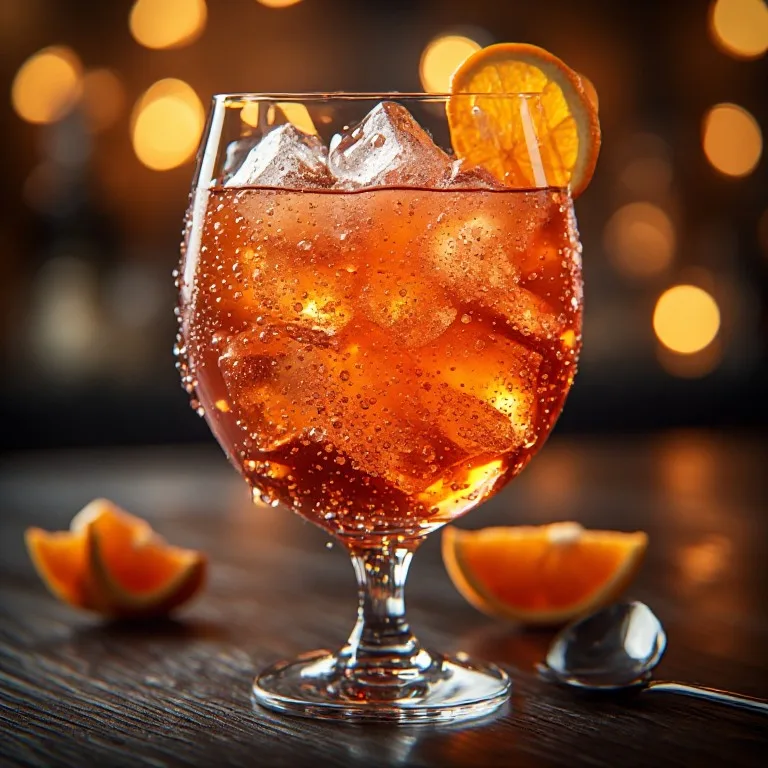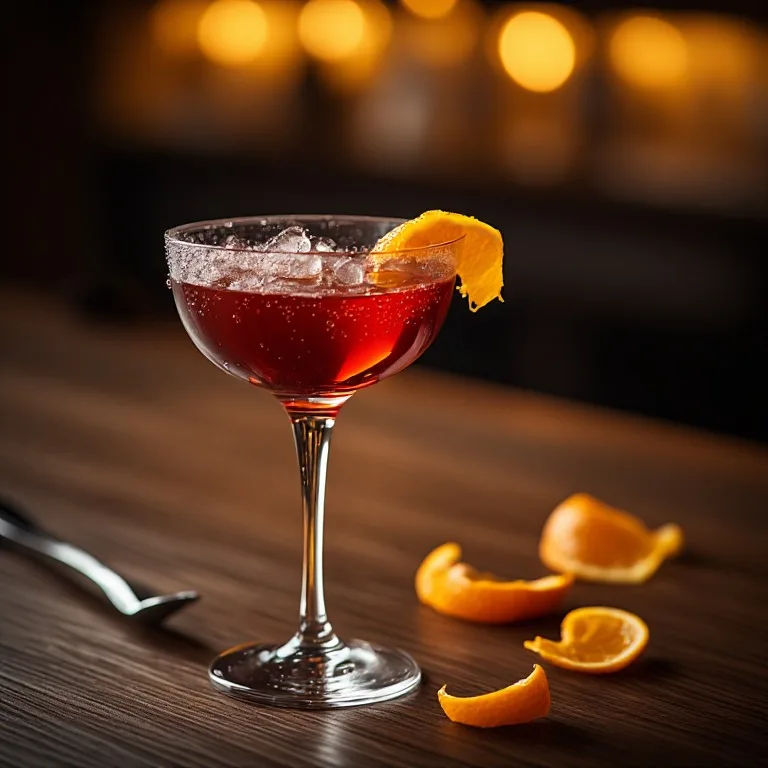
The Americano is the low-alcohol drink to pour before a heavy November meal. Campari brings bitter orange peel, sweet vermouth brings wine and spice, and a short splash of soda makes it cold and sparkling without turning it into a punch. It is the aperitivo that sits upstream of the Negroni, and it is much easier to get right.
Campari’s own cocktail page dates it to around 1860 at Caffè Campari in Milan and says it was first called the Milano-Torino. The two names in that older title are the two bottles: Campari from Milan, sweet vermouth from Turin. The company says the Americano name came later, from American visitors who drank it around the turn of the 20th century. Take that as the brand’s history, not as a surviving bar ticket from the 1860s.
What Caffè Campari Actually Served
The cafe where Gaspare Campari poured is gone. He moved the business into the new Galleria Vittorio Emanuele II in 1867, facing the Duomo. His son Davide opened Camparino in the same gallery in 1915, and that bar is the living relative of the old room. Camparino still lists an Americano, and it still lists the Milano-Torino, per an Oct 2026 menu write-up. The Milano-Torino is the same two bottles without soda.
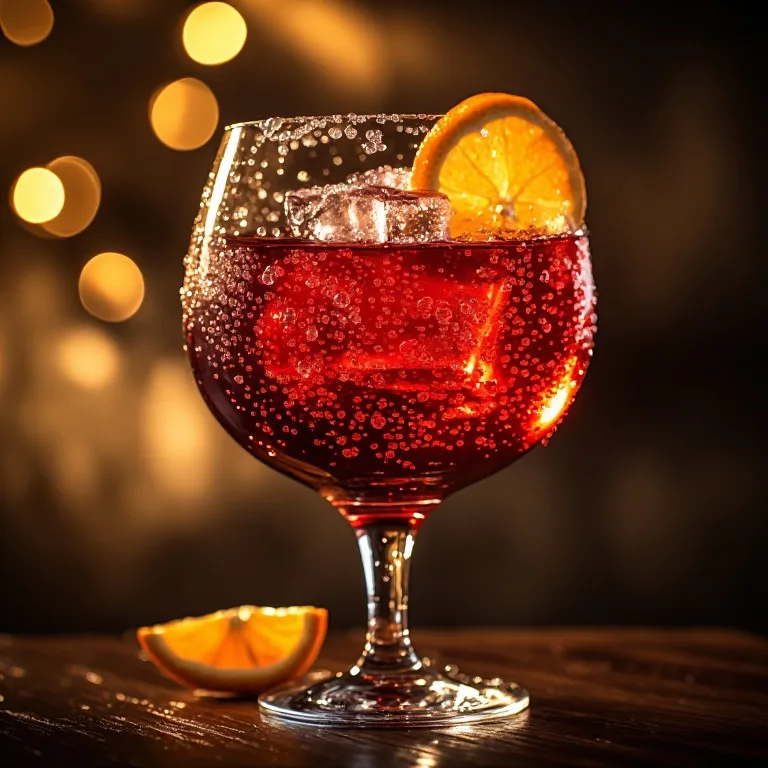
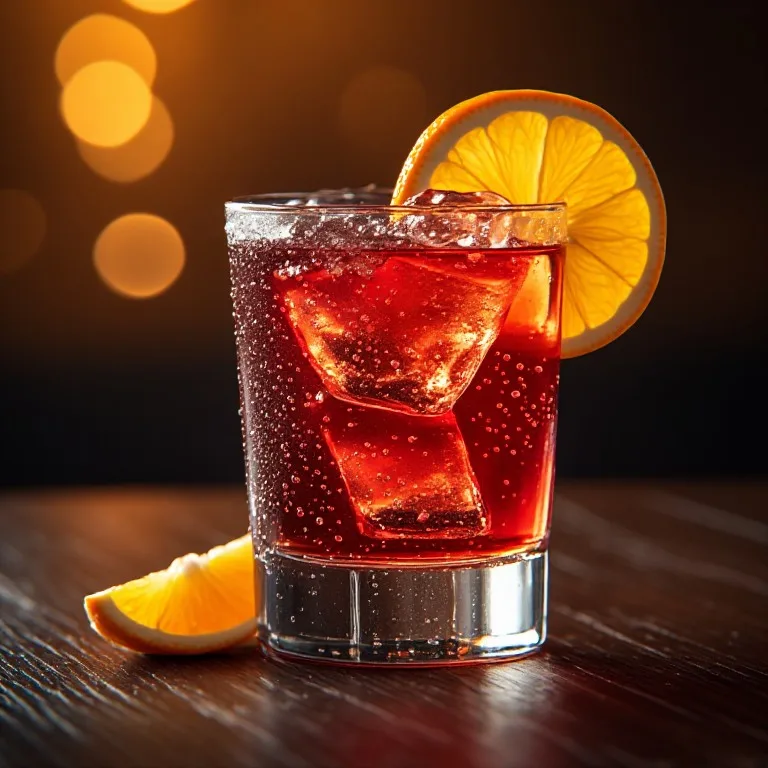
Campari’s current cocktail page prints a clear consumer ratio: 1 part Campari, 1 part sweet red vermouth, and a splash of soda water, built in a rocks glass over ice and finished with an orange slice. The IBA lists 30 ml and 30 ml, which is the same split, plus a splash of soda. Neither source pins the soda to an ounce. This recipe uses 2 oz (60 ml) so a home bartender can repeat it. Less soda makes a stronger, more bitter sip. More soda makes a taller cooler and drops the alcohol further.
An October 2026 account of Camparino’s menu listed the Americano at 19 euros, service included. That number comes from a writeup of the menu, not from a live check on the day this recipe was drafted, so confirm it if you are actually standing in the Galleria. There is no historical price to quote for the 1867 cafe.
A lot of American bars now pour 1.5 oz of each bottle. That is a reasonable modern serve, and it is a different, boozier drink than the 1 oz ratio printed on Campari’s page. If you scale up, the standard-drink count scales with you.
The usual sequel in the story is the Negroni, told as a 1919 request in Florence for gin where the soda had been. Historians still argue about that tale. You do not need it to mix a correct Americano.
Why Typical Copycats Fail
The first miss is treating the Americano like a Negroni that someone forgot to finish. Gin does not belong in this glass. The minute gin goes in, you have left the aperitivo and started a stronger cocktail with a different name.
The second miss is warm, tired vermouth. Sweet vermouth is a wine. An open bottle left on a shelf since summer tastes flat and woody, and it dulls the Campari instead of answering it. Keep the bottle in the refrigerator and use it while it still smells like herbs and grapes.
The third miss is a heavy hand with soda, or no soda at all. Skip the soda and you have made a Milano-Torino, which Camparino still sells as its own drink, per an Oct 2026 menu write-up. Flood the glass with a tall highball pour and the bitterness disappears into orange pop. Two ounces is enough sparkle to open the drink and not enough to wash it out.
Ice that has been sitting in a warm bowl is the quiet fourth miss. This drink is built, so it does not get the dilution of a long shake. Melted, wet ice makes the first sips watery. Use cold, solid cubes.
The Key Technique: Build It, Then Stop Stirring
Measure the Campari and vermouth over fresh ice, then add soda that is actually cold. Stir once. A second and third stir knocks the carbonation down and leaves you with a still, sweet-bitter mixture that tastes heavier than it is.
Use a rocks glass, not a pint glass. The short glass keeps the orange slice in the aroma and matches the way the published recipes serve it. If you want a longer drink for a crowd that is pacing itself through Thanksgiving snacks, move to a highball and add another ounce of soda, and expect a lighter drink.
Campari’s bitterness is the whole personality. Do not add simple syrup to sand the edges off. If the drink tastes harsh, the fix is usually colder soda and a fresher orange, or a slightly larger vermouth pour, not sugar.
An orange half-slice gives more aroma than a thin wheel buried under the ice. Express nothing, squeeze nothing. The oils on the peel are enough as the glass sits.
A Pitcher for Eight Before Dinner
For eight drinks, stir together 8 oz (240 ml) Campari and 8 oz (240 ml) sweet vermouth in a bottle. Refrigerate it for up to a week. The vermouth is the perishable part, so keep the bottle cold and capped.
To serve, pour 2 oz (60 ml) of that mix over fresh ice and add 2 oz (60 ml) cold soda. Garnish each glass. Do not put the soda in the pitcher. If you are setting up a sideboard, keep the soda unopened until people arrive and give guests a jigger or a marked pour so the split stays even.
A stronger party version uses 1.5 oz Campari and 1.5 oz vermouth per drink. Say so on the card. Guests who think they are drinking the short 0.7-drink aperitivo should not discover a heavier pour halfway through dinner.
The Bitter Soda Americano Mocktail
The zero-proof version has to stay bitter. Orange juice and sparkling water taste like a spritzer and miss the point. A Campari-style zero-proof aperitivo supplies the red color and the peel bitterness. Red verjus supplies the tart, wine-like fruit that sweet vermouth was doing, without adding alcohol.
Build it the same way, over ice, with the same 2 oz of soda and the same orange. If your zero-proof aperitivo is very sweet, cut it to 3/4 oz and add a small pinch of salt. Salt makes the bitterness read cleaner. Check the bitters bottle if you are tempted to add a dash: ordinary aromatic bitters contain alcohol, so leave them out of the mocktail unless the label says alcohol-free.
See more Caffè Campari copycat cocktails →