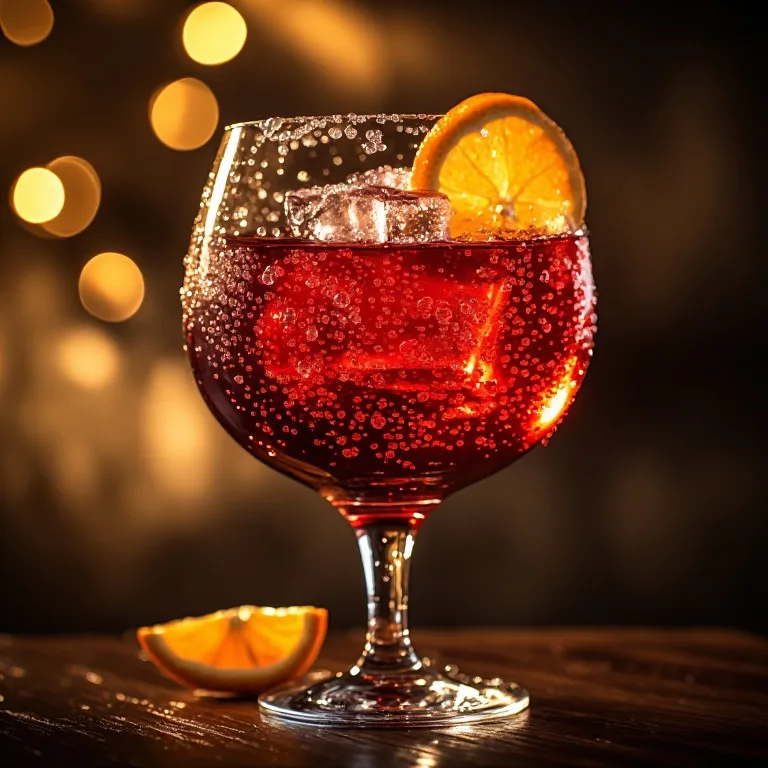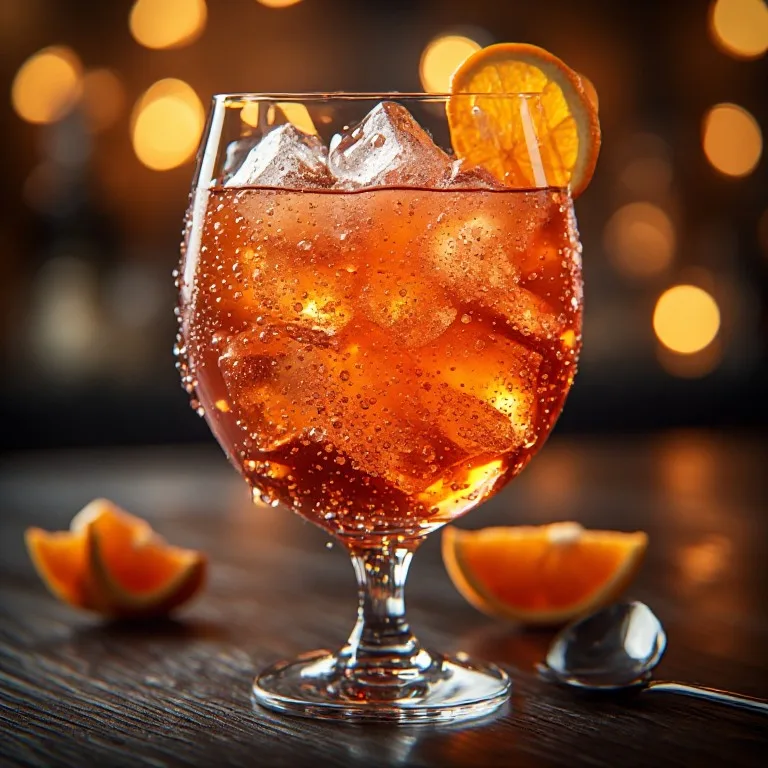
The Aperol Spritz is one of the most photographed drinks in the world. It’s orange, it’s on every terrace in Europe, and many Americans associate it with an ‘Italian summer.’ It’s also a drink with a decades-long marketing campaign behind it.
Where It Came From
Spritz drinks go back to the 1800s in Italy’s Veneto region, which was then part of the Austrian Empire. The common story is that Austrian soldiers and officials found the local wine too strong and added a ‘spritz’ (a splash) of water. Over time, the drink became wine, soda and a bitter aperitivo.
Aperol was created in Padua in 1919 by the Barbieri brothers. It’s bright orange, lightly bitter and only 11% alcohol. The Aperol Spritz became a common Venetian aperitivo in the following decades.
How It Went Viral
The Aperol Spritz’s spread wasn’t an accident. In 2003, Campari Group bought Aperol and began promoting the spritz outside Italy, especially in the UK, Germany and the US. They promoted the simple 3-2-1 recipe and the orange-slice garnish, and they sponsored events and summer bars.
Then came social media. In the 2010s, the color of the Aperol Spritz was ideal for Instagram, and it became a symbol of European vacation posts.
In May 2019, the New York Times published ‘The Aperol Spritz Is Not a Good Drink,’ by Rebekah Peppler. She called it sweet and compared it to a Capri Sun. The reaction was huge. Many people defended the drink, others agreed, and the argument made the Aperol Spritz more famous than ever.
On TikTok, it’s a perennial summer favorite. There’s no single viral video to point to; it’s simply always there.
Why Many Aperol Spritzes Are Watery
The most common complaint is a watery, warm or flat spritz. The usual reasons:
- Too little ice. Half a glass of ice melts quickly. Fill the glass.
- Warm Prosecco. Prosecco should be very cold.
- Too much soda. One part soda is enough; more makes the drink thin.
- Too much stirring. It flattens the Prosecco.
The Key Technique: Prosecco First
Aperol’s own instructions say to add Prosecco first, then Aperol, then soda. Aperol is denser than Prosecco, so pouring it on top helps it mix without stirring. A single gentle lift is all you need.
For a Party
The Aperol Spritz is easy to make in a pitcher. Combine everything with plenty of ice just before serving. Don’t make it far in advance, or it’ll go flat. One bottle of Prosecco makes about 8 drinks.
The Mocktail: Spritz Zero
Several non-alcoholic bitter orange aperitivos are made for spritzes. Crodino, an Italian classic, and Lyre’s Italian Spritz are good choices. Use a dry non-alcoholic sparkling wine to keep the drink crisp. It tastes close to the original.
Choosing the Prosecco
Prosecco makes up half the drink, so it matters. Choose a brut Prosecco, which is the driest common style. ‘Extra dry’ Prosecco is confusingly sweeter than brut, and with Aperol’s sugar it can make the drink cloying.
You don’t need an expensive bottle. Inexpensive Proseccos from reliable producers (La Marca, Mionetto, Zonin, Ruffino) work well. Any dry sparkling wine — cava, crémant, or a dry California sparkling — is a fine substitute.
Keep it very cold. A bottle in an ice bucket stays cold and fizzy longer than one in the fridge.
Other Spritz Variations
Aperol isn’t the only option. A Campari Spritz (with Campari instead of Aperol) is more bitter and stronger. A Select Spritz uses Select, a Venetian aperitivo, and is common in Venice, often garnished with a green olive. Cynar Spritz uses an artichoke-based amaro. Each follows the same build.
Enjoy responsibly — must be 21+.