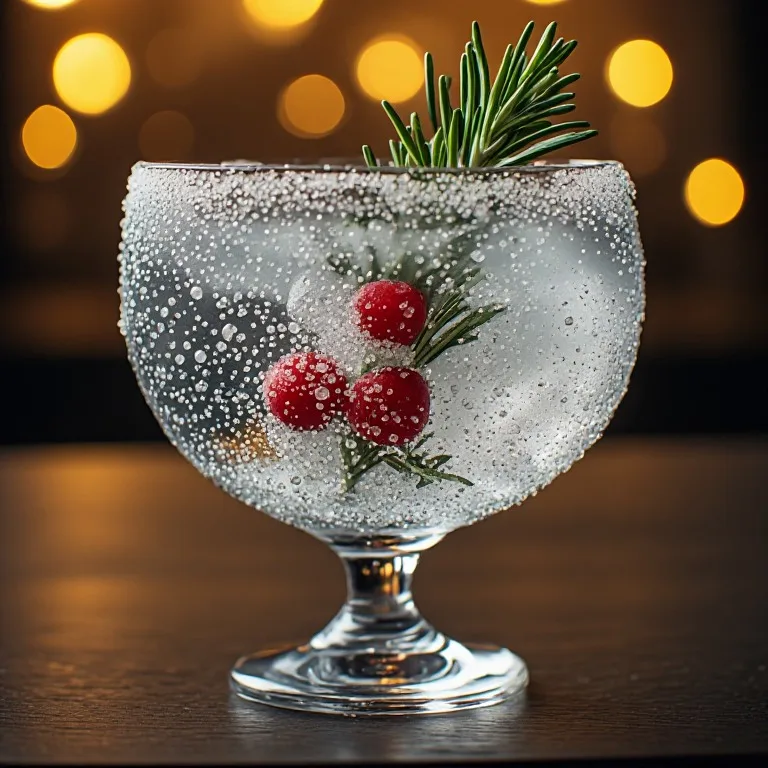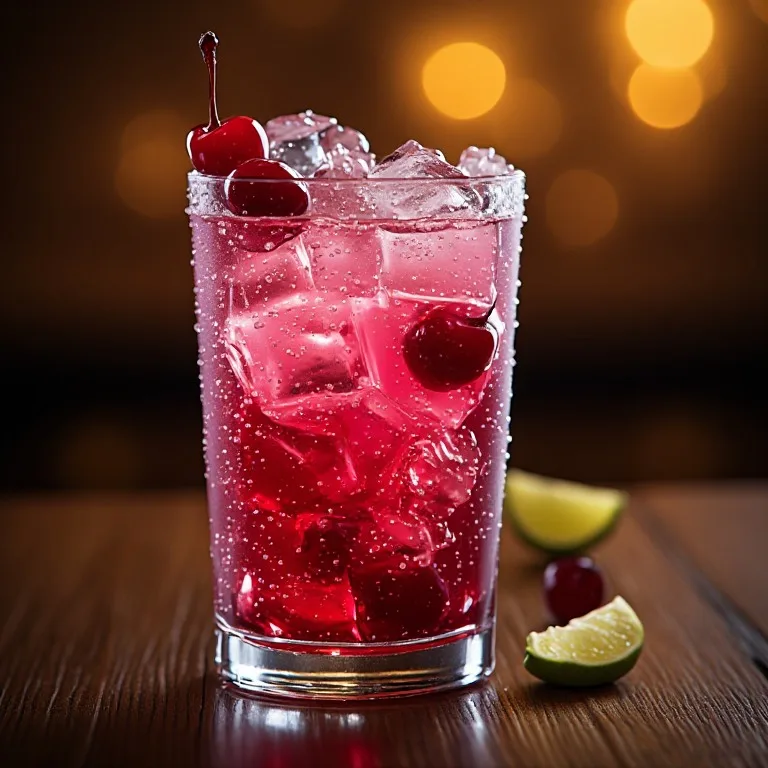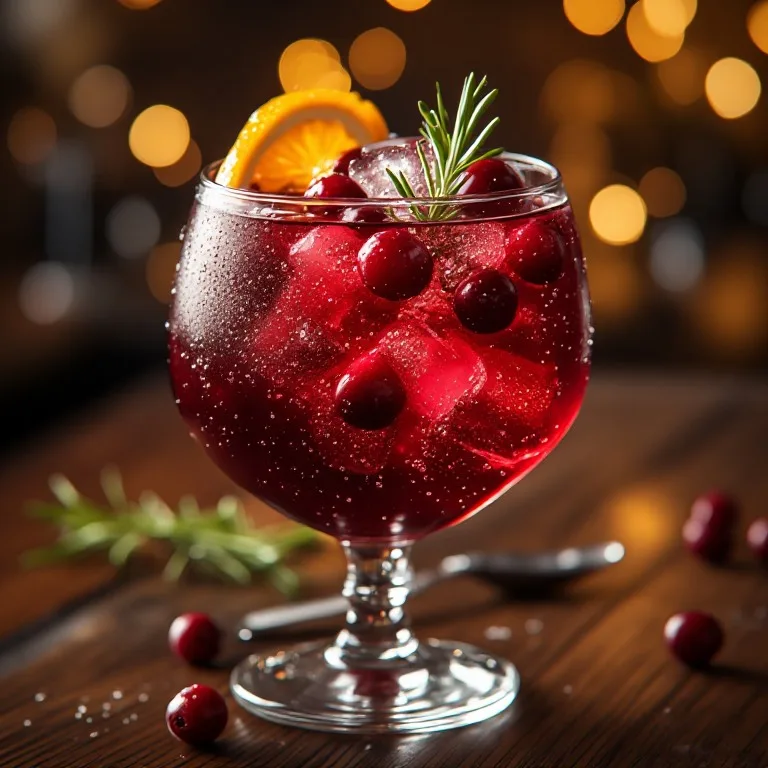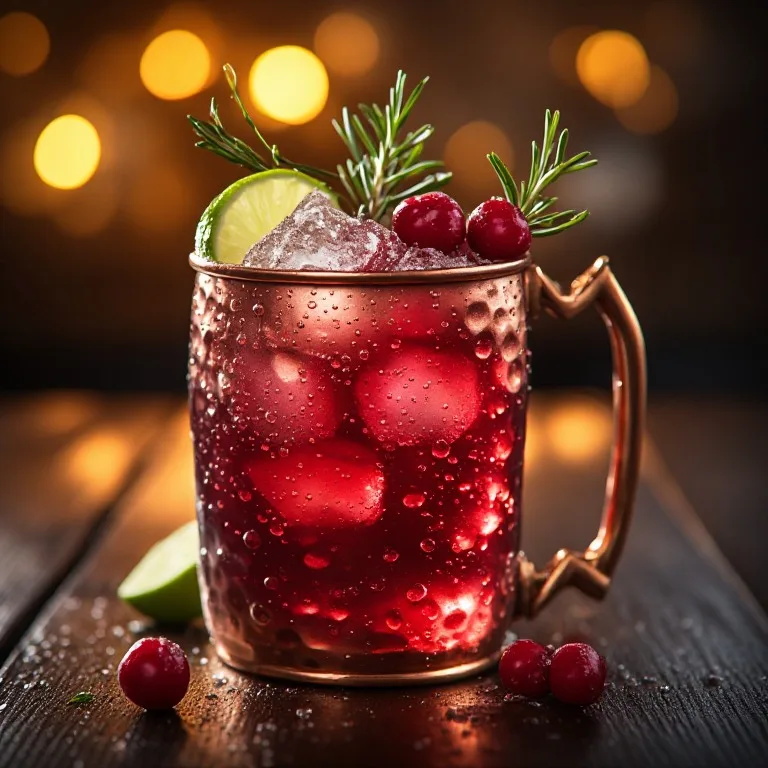
The Cranberry Mule is the Moscow Mule dressed for late November and December. It keeps the original drink’s cold metal mug, sharp lime and fizzy ginger, then adds enough cranberry to turn the whole drink ruby red. Fresh berries and rosemary make the holiday cue obvious without loading the glass with extra syrup.
There is no one viral Cranberry Mule recipe. Some versions use sweetened cranberry cocktail, others cook a cranberry syrup, and a few muddle whole berries. The shared idea is much simpler: add cranberry to the vodka, lime and ginger beer template. This version uses unsweetened juice for clean tartness and a build that takes five minutes.
From Moscow Mule to Holiday Mule
The Cranberry Mule does not have a verified creator or one bar of origin. It is a recurring seasonal variation published by food brands, magazines and home bartenders, especially around Thanksgiving and Christmas.
Its parent drink has a better documented, though still disputed, story. The Moscow Mule appeared in American reporting by 1942. The familiar account brings together John Martin, who was trying to establish Smirnoff vodka in the United States, and Jack Morgan, owner of Hollywood’s Cock ‘n Bull and its ginger beer brand. Later accounts also credit Cock ‘n Bull bartender Wes Price. Some sources place the key meeting in Los Angeles; another early account placed it at New York’s Chatham Hotel. The copper mug became the drink’s unmistakable calling card.
What survives every version of the story is the formula: vodka, ginger beer and lime over ice. Cranberry is a modern holiday addition, not part of the historic drink.
Why Typical Cranberry Mules Miss
The first problem is sweetness. Cranberry juice cocktail already contains substantial sugar, and sweet ginger beer adds more. The result can taste like soda with vodka. Unsweetened 100% cranberry juice brings tannin and acidity instead, letting the ginger beer do the sweetening.
The second problem is too much cranberry. It should tint and sharpen the mule, not erase the ginger. Three-quarters of an ounce gives a deep red color while lime and ginger remain clear.
Finally, do not stir aggressively after adding ginger beer. Carbonation provides much of the drink’s lift. One slow pass with a bar spoon is enough.
The Key Technique: Balance the Ginger Beer
Ginger beers range from dry and fiercely spicy to soft and candy-sweet. Taste yours before building. With a dry bottle, the listed three-quarter ounce of cranberry works well. If you use sweetened cranberry cocktail, reduce it to one-half ounce. If the finished drink is too sharp, add one teaspoon of simple syrup rather than more ginger beer; that corrects sweetness without weakening the ginger flavor.
Use everything cold. A built drink gets only a brief stir, so warm vodka or juice melts ice before the mug can properly chill. Pack the mug with fresh ice, add the still ingredients first, then top with ginger beer.
Make Eight for a Holiday Party
Combine 12 oz (360 ml) vodka, 6 oz (180 ml) unsweetened cranberry juice and 4 oz (120 ml) fresh lime juice in a sealed bottle. Refrigerate it for up to four hours. Do not add ginger beer yet.
To serve, pour 2 3/4 oz (82 ml) of the batch into each ice-filled mug and top each with 3 1/2 oz (105 ml) ginger beer. Garnish one glass at a time. This keeps the bubbles alive and prevents rosemary from sitting in the drink long enough to taste woody.
The Cranberry Ginger Mocktail
Simply removing vodka leaves the mule thinner and sweeter. Strong chilled black tea replaces some of the missing dryness and tannin while staying quiet behind the cranberry and ginger. Brew one tea bag in 4 oz (120 ml) hot water for five minutes, cool it completely, and measure from there.
For a completely caffeine-free version, use a strongly brewed rooibos tea. Check the ginger beer label if avoiding all alcohol, since most common cocktail brands are nonalcoholic but a few products are fermented and alcoholic.
This is an easy drink to make look festive, but its success is still about proportion: tart cranberry, fresh lime and enough ginger to leave a warm snap after every cold sip.