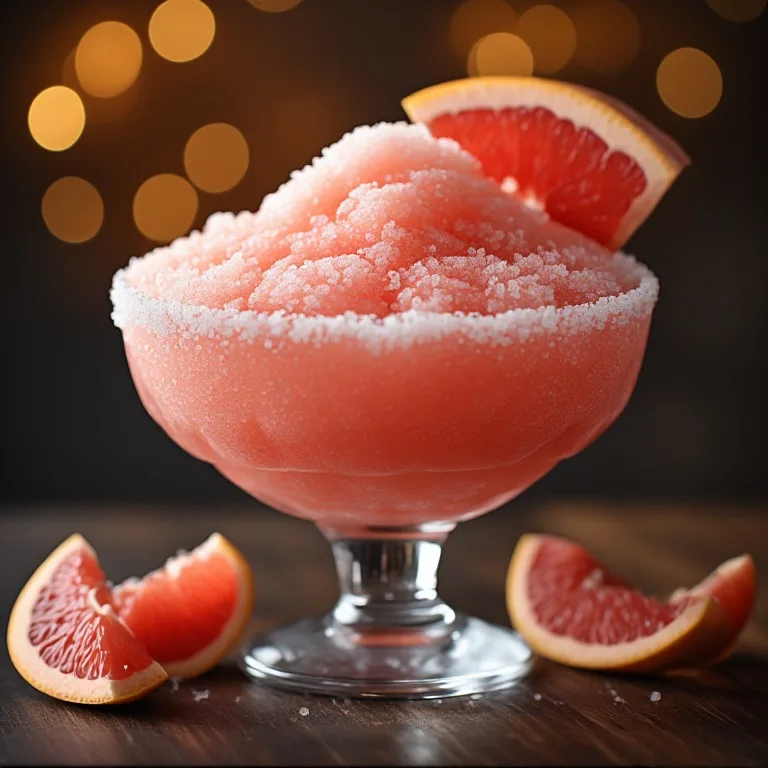
A good Frozen Paloma should taste like grapefruit and tequila, not a lime margarita dyed pink. It also needs to move through a straw without melting into flavored water before the first sip. The fix is a measured amount of ice, enough fresh juice to turn the blades and just enough sweetener to round off grapefruit’s bitterness.
This version keeps the familiar Paloma flavors while being honest about the format: blending is a modern riff on the long, fizzy Mexican drink.
What a Paloma Actually Is
The established Paloma is a simple highball of tequila, grapefruit soda, lime and salt. Cocktail historian David Wondrich traces its roots to tequila mixed with grapefruit soda after Squirt reached Mexico in the 1950s, but the person who first adapted and named the drink is unknown. A popular story credits La Capilla owner Don Javier Delgado Corona, yet respected cocktail writers have challenged that attribution.
That uncertainty matters because a frozen recipe should not be presented as an old official formula. The slushie version belongs to the much newer family of blender drinks shared by bars, brands and recipe creators. It borrows the Paloma’s recognizable flavor map without preserving its carbonation.
Frozen Palomas remain widely available as a style rather than as one venue’s signature. Menus and published drink recipes commonly describe them with tequila and grapefruit, but their sweeteners, juices and salt rims vary. This page therefore gives a tested copycat-style template, not a claim about the measurements used by a particular bar.
Why Typical Frozen Palomas Fail
The most common mistake is pouring grapefruit soda into a blender. Agitation knocks out the bubbles immediately, and a tightly covered blender can trap foam. Once the fizz is gone, the recipe often tastes thin because the soda was expected to supply both flavor and sugar.
Too much ice creates the opposite problem: a pale, spoon-thick granita that barely tastes of tequila. Too little produces a cold cocktail with floating chips. One cup of standard ice to 5¼ ounces of liquid gives a smooth, pourable result in most home blenders.
Finally, grapefruit needs salt. A full heavy rim can make every sip briny, so coat only half. The small pinch blended into the drink is more important. It quiets harsh bitterness and makes the fruit taste fuller without announcing itself as salt.
The Key Technique: Liquids Before Ice
Put every liquid ingredient in the blender before adding ice. The blades can then establish a vortex before they meet the cubes. Start on low for a few seconds, move to high and stop as soon as the texture is even. The longer the motor runs, the warmer and looser the drink becomes.
Fresh pink grapefruit is ideal, but taste it first. Fruit varies dramatically. If it is sweet, reduce the agave to ¼ ounce. If it is aggressively bitter, keep the full measure. Do not fix bitter juice with several ounces of syrup; that buries the tequila and turns a Paloma into a generic frozen punch.
How to Make a Frozen Paloma Batch
For four drinks, combine 8 oz blanco tequila, 8 oz pink grapefruit juice, 3 oz lime juice, 2 oz agave syrup and four small pinches of salt. Chill this base before the party. Blend it with 4 cups of ice immediately before serving.
Blender capacity is the limit. A standard 48- to 64-ounce jar can usually manage four drinks, but smaller machines should make two at a time. If the first batch waits while the second blends, keep it in the freezer and stir before pouring. Do not leave a pitcher on the counter; its texture changes quickly.
The Mocktail Version
Simply omitting tequila leaves a hollow grapefruit ice. The Frozen Dove uses a zero-proof agave spirit for vegetal and peppery notes, then adds a small splash of grapefruit soda after blending. Stirring the soda in preserves some sparkle without creating a foamy blender problem.
Because zero-proof spirits differ in sweetness, taste the base before adding all the agave. The goal is a tart, lightly bitter slush with enough savory depth to remain recognizable as a Paloma.