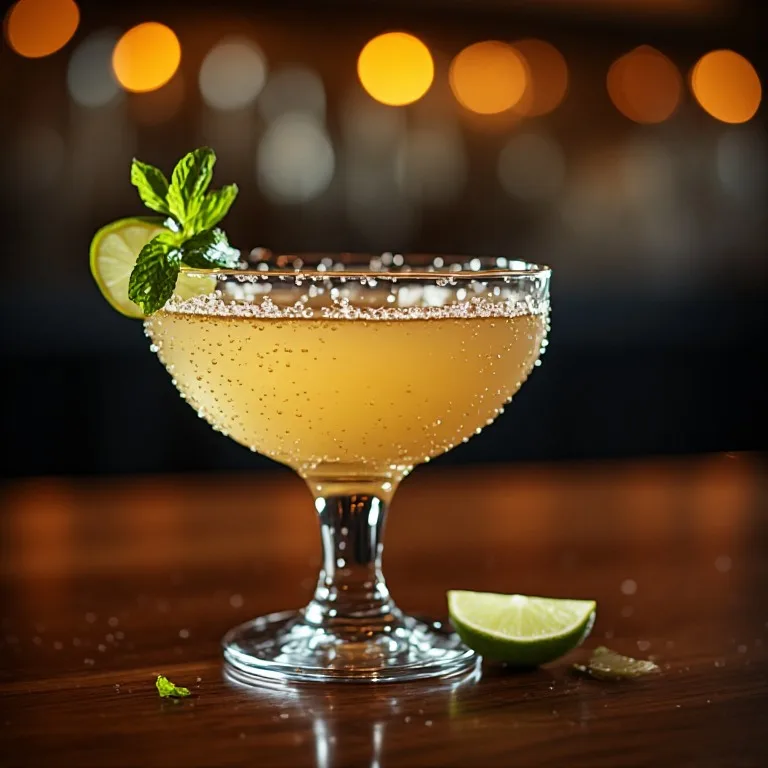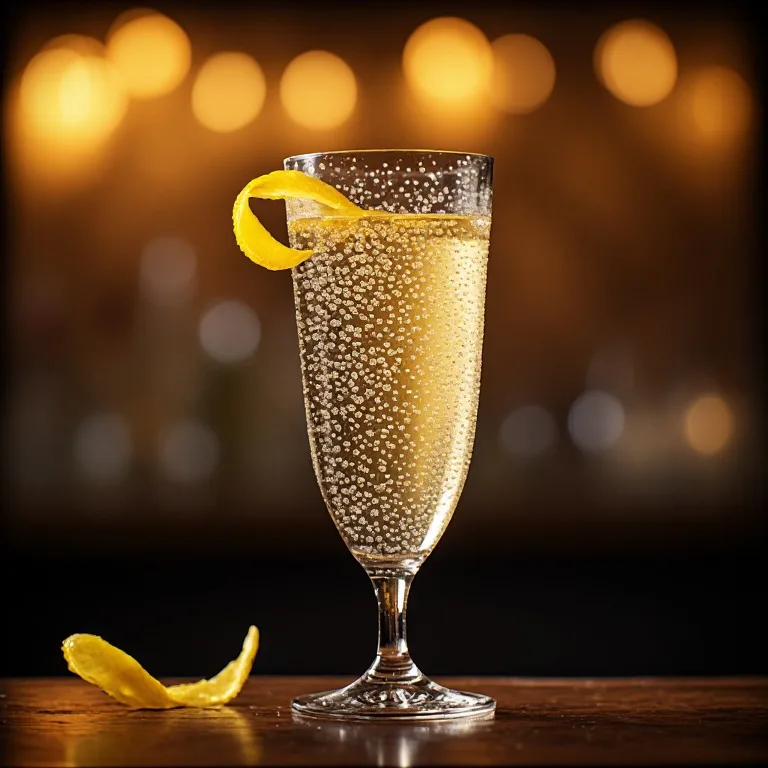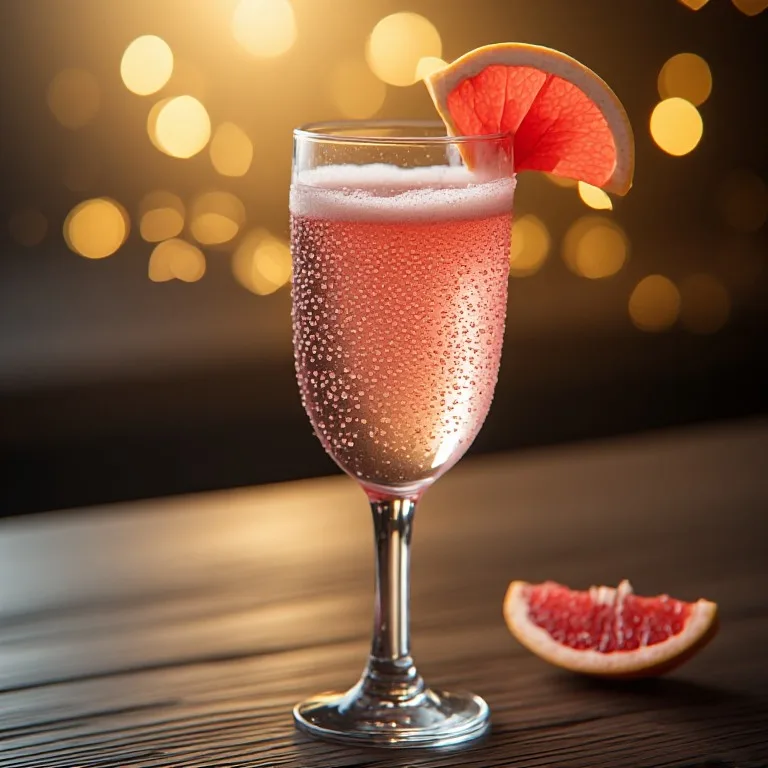
A Champagne Paloma takes the grapefruit-and-tequila shape of a Paloma and gives it the polished finish of a sparkling cocktail. It is tart, lightly salty and dry enough for a midnight toast, with more flavor than a plain flute of bubbles.
The name makes the formula sound settled, but it is better understood as a modern recipe family. Some versions use grapefruit juice and Champagne, others use mezcal, and a few keep grapefruit soda in the mix. This home version aims for a clear Paloma identity without burying the sparkling wine under sweetness.
What the Viral Champagne Paloma Actually Is
There is no restaurant or creator who owns an accepted Champagne Paloma formula. Recipe sites and spirits brands publish straightforward versions built on blanco tequila, grapefruit juice, lime and sparkling wine, and ready-to-drink canned “sparkling palomas” sold through state liquor retailers show how mainstream the idea has become. Other published Sparkling Palomas use mezcal, simple syrup and bitters, while still others add soda. Those variations show that the drink is real, but not standardized.
The older Paloma underneath it is also surrounded by uncertain history. It is firmly associated with Mexico and became closely linked with grapefruit soda, but neat invention stories are difficult to substantiate. The familiar claim that Don Javier Delgado Corona of La Capilla created the Paloma is often repeated without strong documentation. It is more accurate to call the Champagne Paloma a recent sparkling variation with no verified single inventor.
That uncertainty does not make it a bad copycat subject. It simply means the recipe should be judged by balance, not by whether it imitates an unpublished original.
Why Typical Champagne Palomas Fail
The most common problem is excessive grapefruit juice. Three ounces works in some formulas, but juice varies from gently sweet to aggressively bitter. Starting with 2 1/2 ounces leaves room for tequila and wine to remain recognizable. If your fruit is unusually tart, add another teaspoon of agave rather than reaching for a sweet sparkling wine.
The second mistake is using warm ingredients. There is no ice in the flute to rescue them, and shaking the wine would destroy its carbonation. Chill the juice, tequila, glass and sparkling wine before building the drink.
Finally, do not skip the salt. A tiny pinch softens grapefruit bitterness and makes the fruit taste fuller. This is not enough to make the cocktail salty. A half salt rim is an attractive alternative, but a pinch inside the drink gives more consistent balance.
The Key Technique: Protect the Bubbles
Stir the still ingredients before the sparkling wine goes into the glass. Agave syrup can sit on the bottom if it is added after the bubbles, and trying to dissolve it then will flatten the drink.
Pour the cold wine slowly down the inside of the flute. One gentle upward motion with a bar spoon is enough to integrate the layers. Repeated stirring wastes carbonation, while pouring every ingredient at once can leave a strong tequila layer at the bottom.
Brut sparkling wine is the safest choice. Champagne brings toast and minerality, Cava tends to be crisp and affordable, and a genuinely dry Prosecco gives softer fruit. The geographic name on the bottle matters less than its dryness and freshness.
Batch It for a New Year’s Toast
For eight drinks, combine 12 oz (360 ml) blanco tequila, 20 oz (600 ml) pink grapefruit juice, 4 oz (120 ml) lime juice, 2 oz (60 ml) agave syrup and 1/4 teaspoon fine sea salt. Refrigerate the covered base for up to four hours.
Pour 4 3/4 oz (142 ml) of base into each chilled flute, then top each serving with 2 oz (60 ml) cold sparkling wine. Do not add the wine to the pitcher. Even a carefully stirred batch loses the bubbles that make this variation worth serving.
The Zero-Proof Sparkling Paloma
Grapefruit and lime alone can taste like breakfast juice, so the mocktail needs more than alcohol-free bubbles. A 0.0% agave-style spirit adds roasted, peppery notes that point back to tequila. Dry alcohol-free sparkling wine supplies acidity and a fine fizz.
Brands differ in sweetness, so taste the 0.0% wine before adding extra agave. Check labels if strict zero alcohol matters, since products labeled nonalcoholic can contain trace amounts in some markets.
See more viral cocktail recipes →