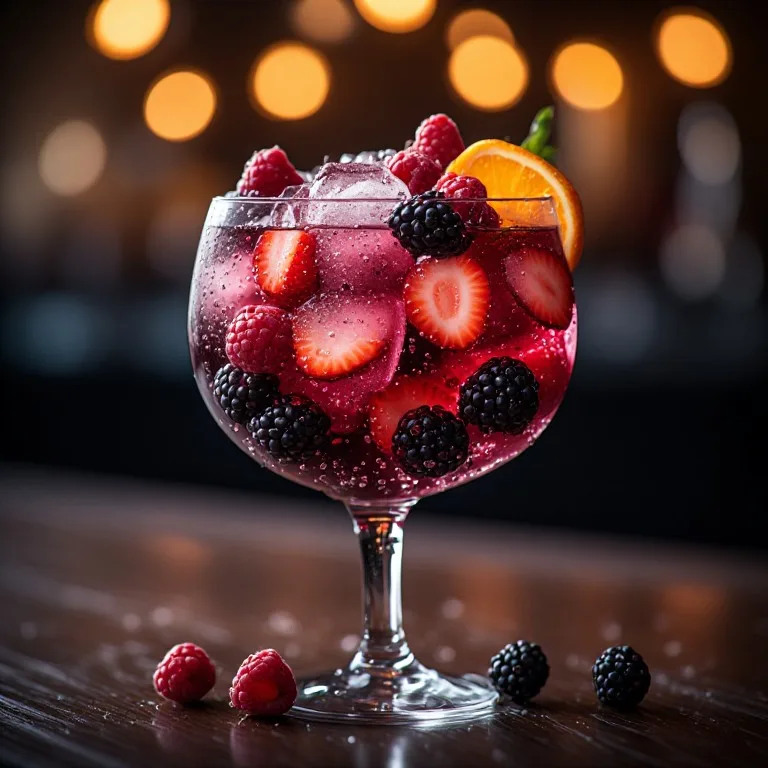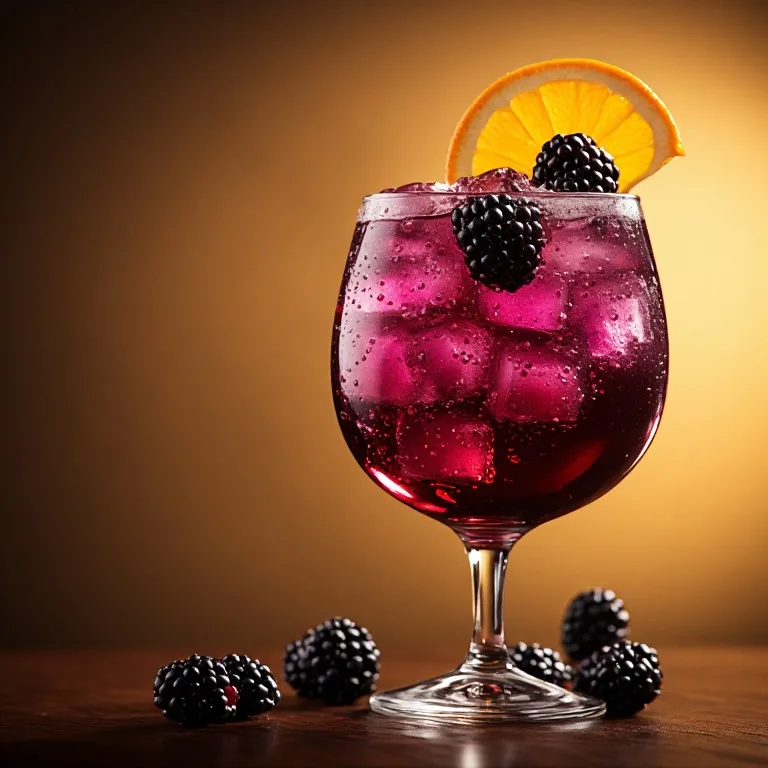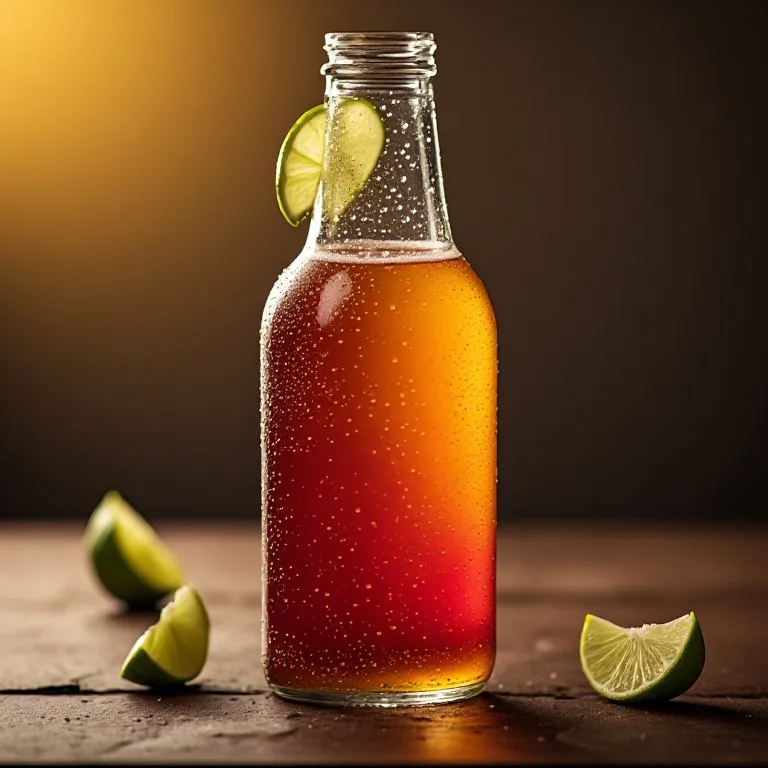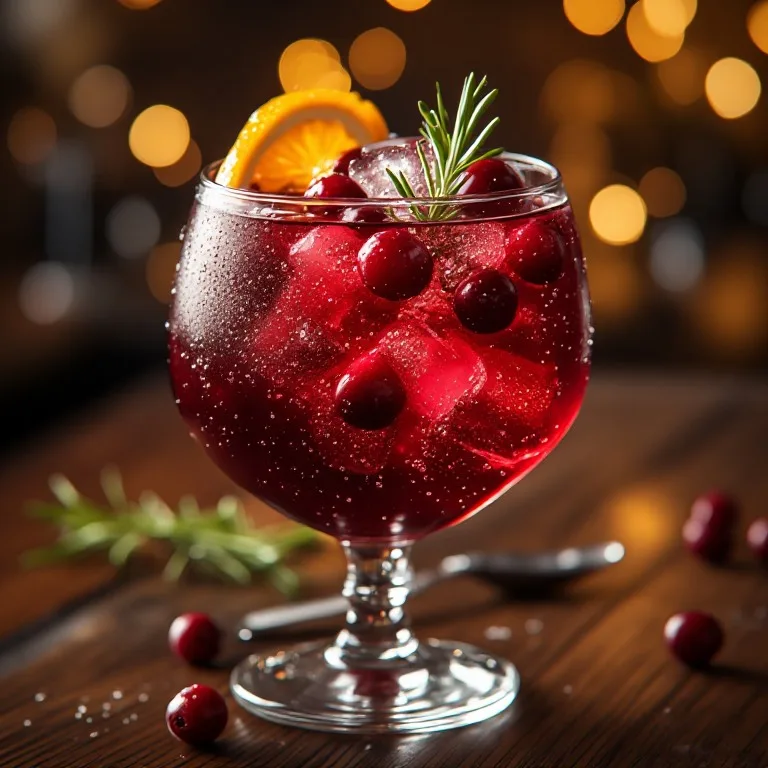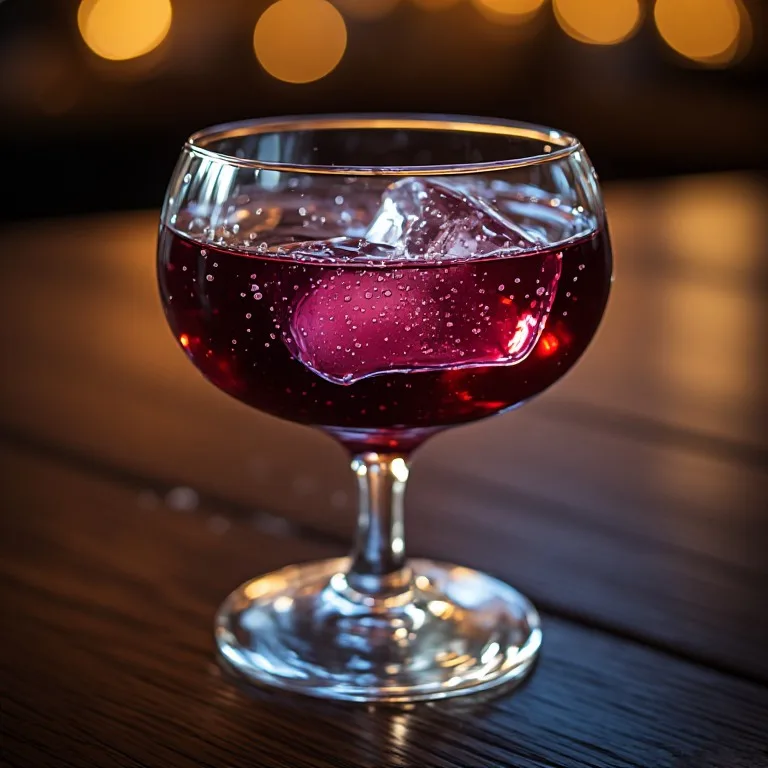
Gatorwine is a 50/50 pour: inexpensive red wine and a light-blue citrus-berry sports drink, stirred once in a cold glass. The blue disappears. What is left is a translucent red that tastes like cherry candy over a simple wine. There is no secret step.
The version here is three ounces of each, one modest glass and about 0.7 standard drinks. A pitcher matches the way it actually gets drunk: one bottle of red and a full table.
Where Gatorwine came from
The name is widely reported to have caught on in 2024. Coverage describes a video tasting of viewer-submitted oddities and credits a light-blue sports drink mixed with red wine, sometimes with a sangria comparison. A channel name, a username, and a late-July date show up in that coverage. Those credits are not confirmed here. Clips and news writeups followed. The sports drink’s own history, invented in 1965 for University of Florida football, is about the mixer. Gatorwine is not a university recipe.
The formula those articles repeat is equal parts and an inexpensive red. The on-camera bottles are messier. Some writeups say the regular sweetened light-blue drink. Others say a zero-sugar cool blue and a supermarket pinot noir. Neither account is confirmed as the original Gatorwine. A drinks piece has also pointed at an older comment about a 50/50 mix. That post is not confirmed, so the inventor stays unknown. A 2024 video is widely reported as the moment the name spread. The exact date is not confirmed here.
No bar list, no set price, no licensed spec. You buy a light red and a bottle of the light-blue drink.
Why typical copycats miss
A heavy red is the miss that makes people think the trend was a prank. Cabernet and other tannic wines, plus a sweet citrus mixer, can taste like grape skin and cough syrup. The glasses people enjoy in the clips are light-bodied reds: pinot noir, gamay, a simple blend. The trend’s “under about 12 dollars” line was a joke about stretching a cheap bottle, not a rule that price improves the drink. The mixer covers bitterness. It also covers the parts of the wine you might have liked.
The zero-sugar swap is the second fork, and it is a real one. Most written recipes after the video use the regular sweetened light-blue sports drink. Some accounts of the video itself say a zero-sugar blue was in the glass. The sweetened drink is rounder and closer to sangria. The zero-sugar drink is thinner and lets the wine show through. Pick one on purpose. Mixing them and then blaming the wine is how a test batch goes sideways.
Ice in the pitcher is the third miss. The first pour tastes like the recipe. The last pour tastes like cold water with a memory of wine, because the cubes melted into the jug. Chill the pitcher. Put any ice in the glass.
Color surprises people who expected a blue cocktail. Red wine covers the dye. If the glass is still bright blue, there is not enough wine in it, or the wine was not red.
The key technique: equal parts, cold, one stir
Chill the wine and the sports drink. Pour three ounces of light red and three ounces of the light-blue drink into a wine glass. Stir once. Look at it. The color you want is a translucent red, a little brighter than the wine was alone. Then taste before you adjust anything.
If it is too sweet, the next glass gets a heavier hand of wine, not a pile of ice. Try 4 oz (120 ml) wine and 2 oz (60 ml) sports drink and notice that you have also raised the alcohol. If it is too harsh, you are probably in the wrong wine, not the wrong ratio. Open a lighter bottle before you add more sugar.
Skip the garnish. Fruit, herbs or a cinnamon stick turn it into a different sangria. The viral drink is bare. One large cube is worth adding only when the glass would otherwise warm up, and that cube waters the last third of the drink. Drink water if you want hydration. Wine plus a sports drink is still a cocktail.
A Thanksgiving and game-day pitcher
One 750 ml bottle of light red and one 750 ml bottle of the light-blue sports drink fill a pitcher. Stir once. You get about eight servings of 6 ounces, close to the single-glass spec, with a splash left in the jug. Cover it and keep it in the fridge. Stir again before you pour. The mixer can settle.
Add ice only in the glass. Over Thanksgiving weekend, when an extra table shows up for leftovers and a game, this pitcher stretches one bottle of red into a round for the room. There is no chopped fruit and no brandy in it.
Eight glasses at about 0.7 standard drinks each is a full bottle of wine. Label the pitcher that way if it sits next to water and soda. Anyone avoiding alcohol should get the zero-proof version from a second jug. The batch holds for an afternoon in the refrigerator and tastes stewed on the second day. November football and the Friday after Thanksgiving are the right occasions.
The zero-proof Gatorwine
Dealcoholized red wine is the swap that keeps the color and a little grip. Three ounces of it, three ounces of the same light-blue sports drink, one stir. Taste before you serve a pitcher. Some dealcoholized reds are sweeter than the wine they replaced, and the sports drink is already sweet. If the glass is candy, cut it with an ounce of cold water and count that as a fix, not as the original ratio.
If you cannot find a dealcoholized red, two ounces of tart cherry juice and one ounce of water will make a red, fruity punch in the same glass. Say that is what it is. Cherry juice is not wine, and the tannin will be different. It is still a decent nonalcoholic option for the same table.
A zero-sugar light-blue bottle brings the calories down and the taste closer to the wine. Choose it on purpose. Serve the mocktail cold, and keep the alcoholic pitcher somewhere else.
See more viral cocktail recipes →