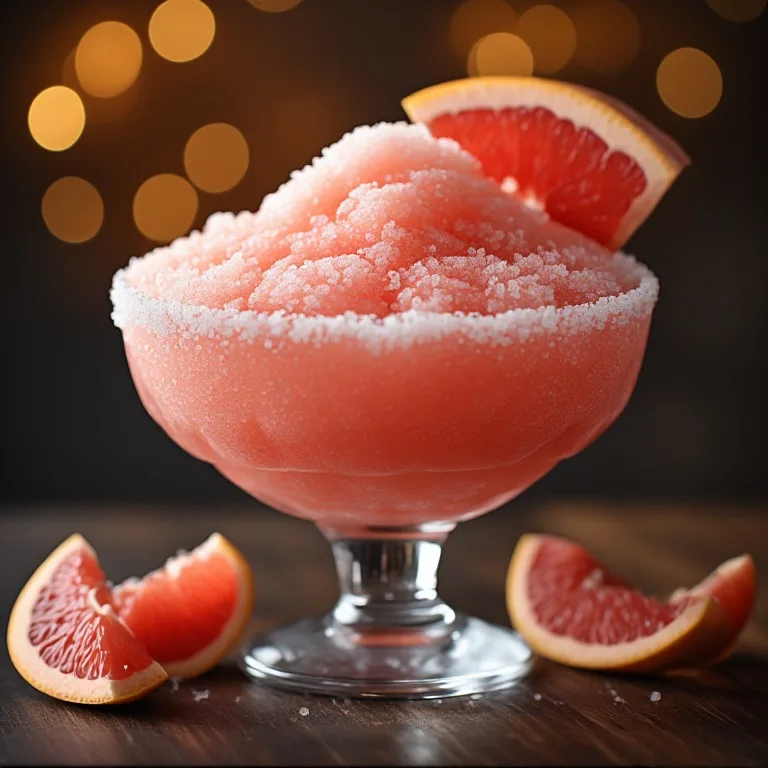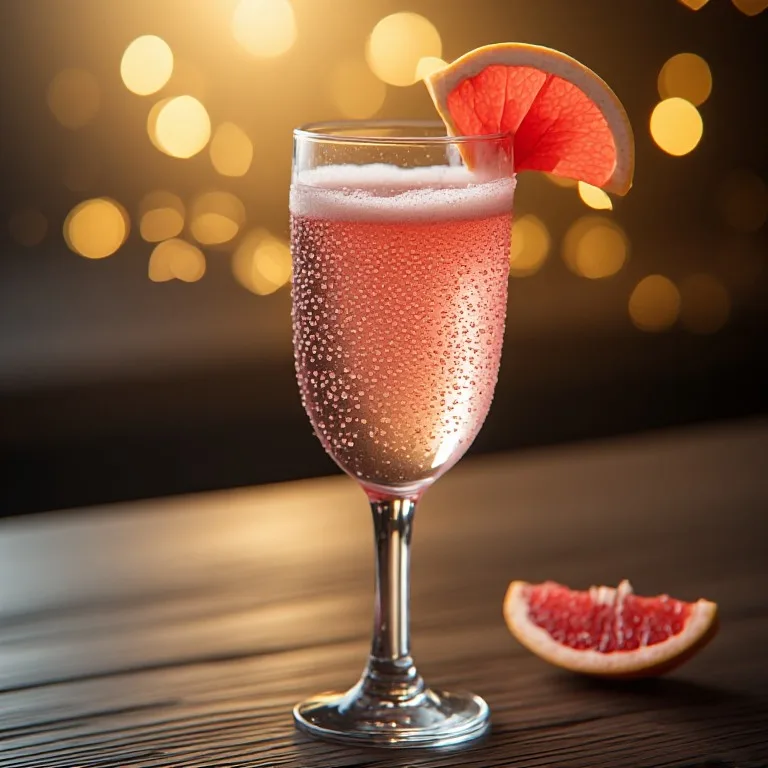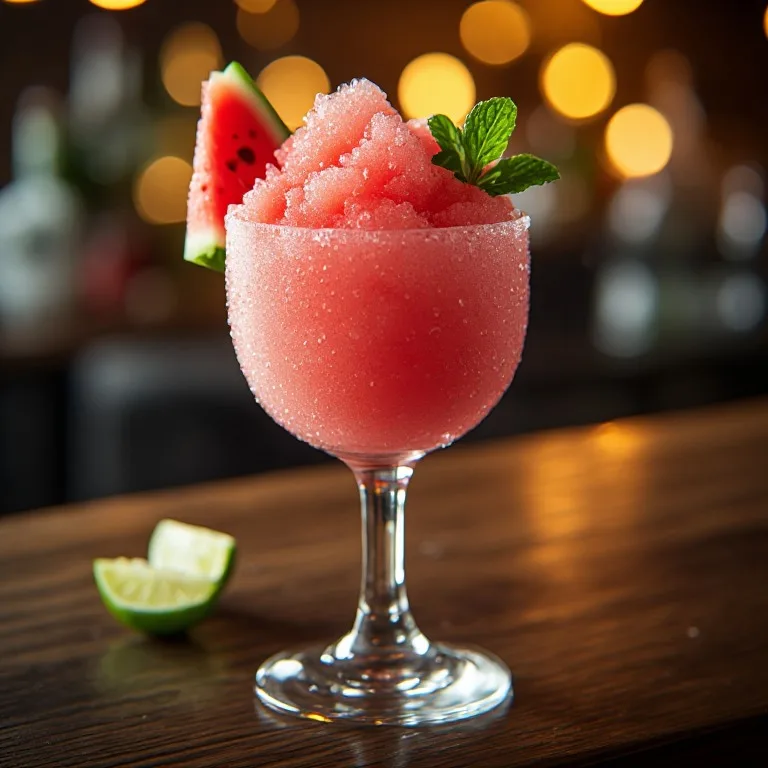
Watermelon Frosé takes two summer staples and turns them into one spoon-thick wine slush. Good versions taste first like crisp rosé, then ripe melon and lime. Weak versions melt into pale, sweet water before the second sip.
There is no official Watermelon Frosé to copy. It belongs to the wider frosé boom that spread through bars and social feeds in the mid-2010s, then became a recurring warm-weather format. Published recipes disagree about vodka, citrus, sweetener and liqueurs, but frozen watermelon and rosé are the recognizable center.
What the Viral Drink Actually Is
Watermelon Frosé is real, but it is not a signature attached to one creator or permanent venue. The National Watermelon Promotion Board publishes a simple blend of frozen rosé, frozen watermelon and agave. Williams Sonoma has published Elizabeth Van Lierde’s stronger version with vodka, lemon and agave. Food Network offers another variation using rosé, watermelon, grapefruit soda and elderflower liqueur.
Seasonal bar menus also use the name for rotating frozen cocktails. That proves broad availability, not one official specification. A bar version may be stronger, sweeter or built from a commercial frozen mix. There is no national current price to quote.
This home recipe keeps the drink wine-led. Five ounces of dry rosé equal a normal generous wine pour, so each serving contains about one US standard drink. It does not need vodka to qualify as a cocktail, and leaving vodka out lets watermelon remain clear.
Why Typical Watermelon Frosé Fails
The biggest mistake is adding ice. Watermelon already contains more than 90 percent water. Blending fresh melon, liquid wine and ice produces a drink that separates quickly and tastes diluted.
Freeze the fruit and wine instead. Rosé will not become rock-hard because alcohol lowers its freezing point, but shallow cubes turn firm and slushy enough to thicken the blend. Frozen watermelon supplies the rest of the body without watering down the flavor.
Melon quality also matters. A deeply colored, sweet watermelon may need almost no agave; a pale one can taste flat even after freezing. Start with the written amount, blend, then adjust by a teaspoon. Lime and salt are not optional decoration. They sharpen a fruit that can otherwise taste one-dimensional.
The Key Technique: Freeze Small, Blend Fast
Cut watermelon into roughly 1-inch cubes and freeze them in one layer. Once solid, transfer them to a sealed freezer bag if you are not blending the same day. Pour the rosé into an ice cube tray rather than a deep container so the blender does not have to fight one large block.
Use the pulse setting at first, then blend continuously only until the mixture moves in a smooth vortex. Long blending warms the drink and knocks out its icy texture. A chilled glass buys extra time, but Watermelon Frosé should still go straight from blender to guest.
Choose a dry rosé with enough acidity to stay lively when cold. Extremely sweet pink wine plus ripe watermelon and agave can become cloying. Expensive rosé is unnecessary, but use a bottle you would happily drink on its own.
Make a Four-Drink Blender Batch
Freeze 6 cups (900 g) watermelon and 20 oz (600 ml) dry rosé in advance. Blend them with 2 oz (60 ml) fresh lime juice, 1 oz (30 ml) agave syrup and 1/8 teaspoon fine sea salt.
That volume may exceed a standard blender’s comfortable capacity, so make two equal batches for the best texture. Blend just before serving and divide among four chilled wine glasses. If you must hold it briefly, place the finished mixture in the freezer for no more than 20 minutes and stir before pouring. Refreezing it solid creates coarse crystals.
The Watermelon No-Frosé
Alcohol-free rosé is the closest structural substitute because it brings grape acidity and a little tannin without changing the drink into watermelon lemonade. Look for a dry 0.0% bottle and freeze it just like wine.
A half ounce of strong chilled hibiscus tea adds tartness, a faint drying edge and richer color. It is especially useful when the 0.0% rosé tastes thin. Check the bottle carefully if strict zero alcohol matters because some products marketed as nonalcoholic can contain trace alcohol, while bottles labeled 0.0% are the safer choice.
See more viral cocktail recipes →