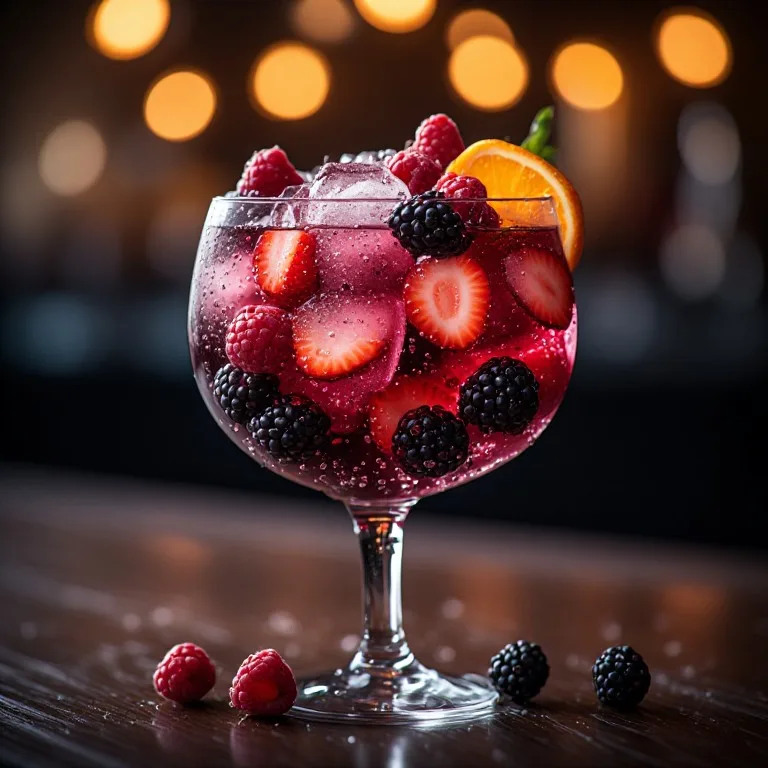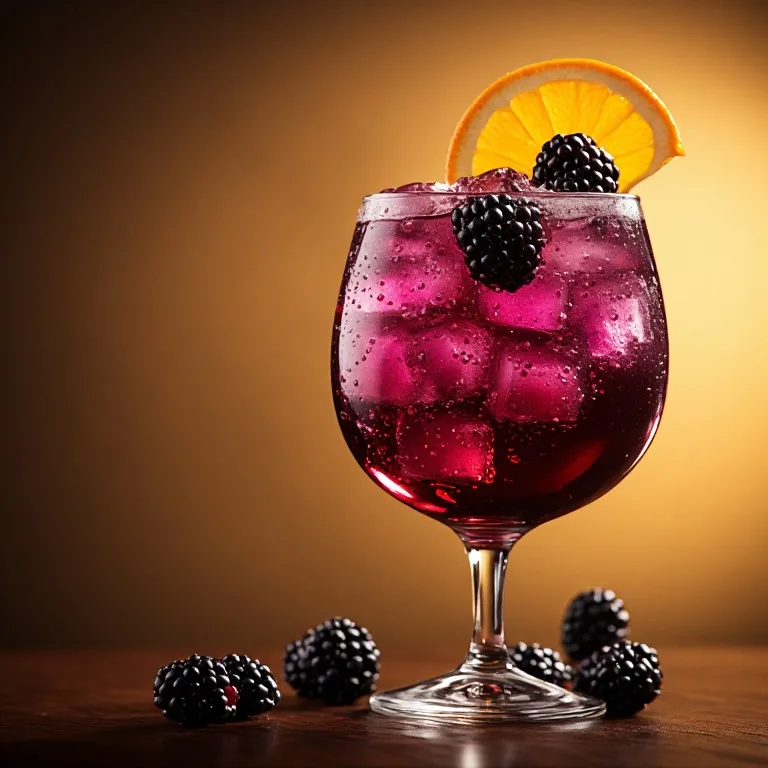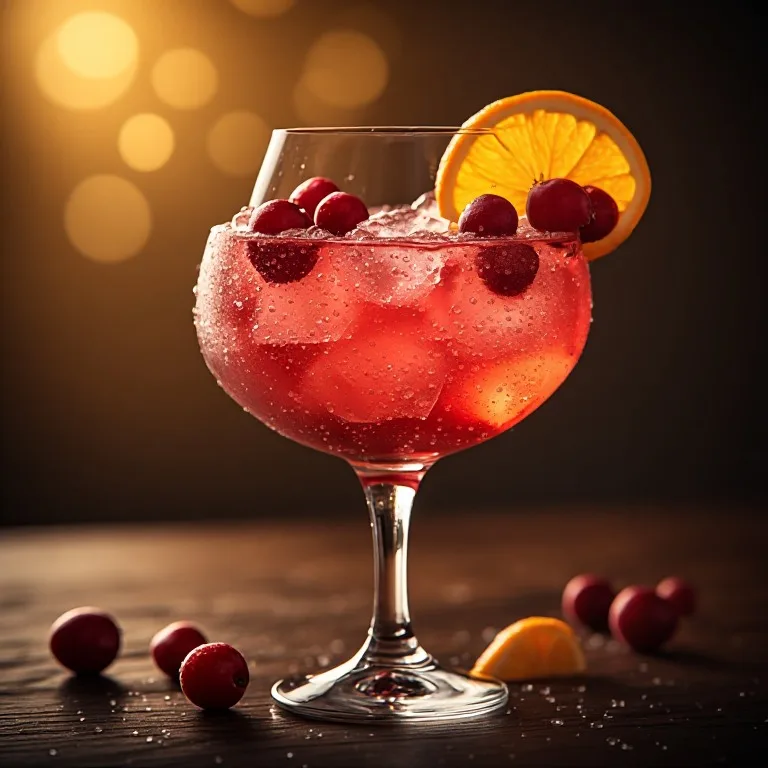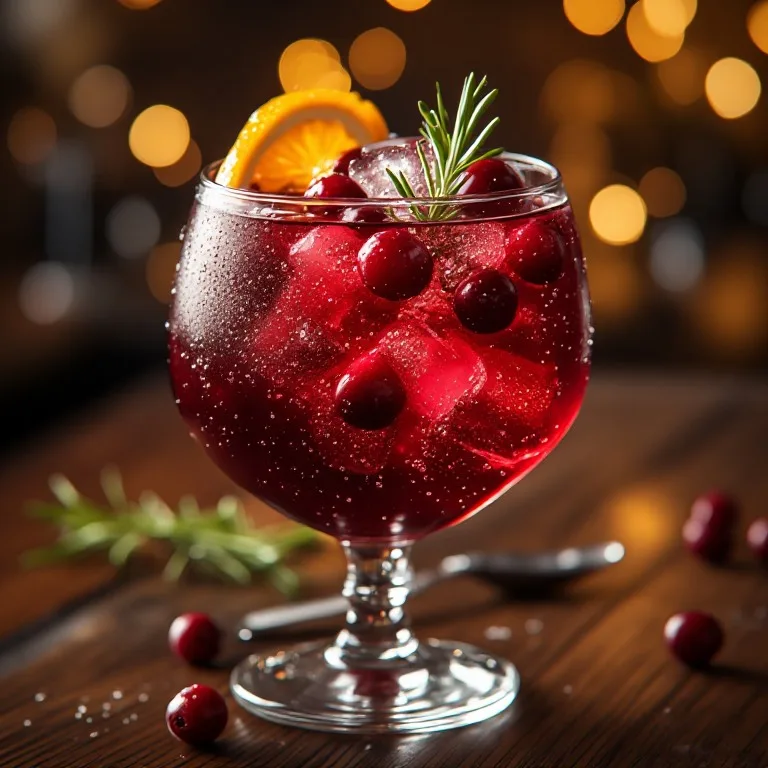
Mulled wine is hot red wine sweetened a little and steeped with citrus and whole spices. Brandy shows up in a lot of British and American holiday pots and stays out of plenty of others. One mug of the version here is 5 oz of dry red wine, 1 oz of orange juice, 2 tsp of honey, and 1/2 oz of brandy added after the heat is off, with orange peel, cinnamon, clove, and ginger. It is the pot you put on for Thanksgiving weekend, leave on the stove through December, and heat again for a New Year open house.
No country, bar, or brand owns the recipe. German Glühwein, Nordic glögg, and French vin chaud are relatives with different habits. This is a home balance aimed at a dry wine and a short steep, so the mug tastes like wine and then like spice.
Where the drink comes from
German Christmas-market Glühwein is red wine, spice, citrus, and sugar in a small mug. A “mit Schuss” order adds a shot of rum or another spirit. That shot is optional. Nordic glögg often goes further, with a spirit such as aquavit plus almonds and raisins in the cup, and sometimes cardamom. French vin chaud is the same idea under another name.
British and American holiday pots usually land in the middle: red wine, an orange, cinnamon, clove, sugar, and sometimes brandy. There is no inventor and no original menu. What those traditions share is the method. The wine gets hot. It does not get boiled. The spices stay whole.
A pot on the stove fits Thanksgiving weekend, Christmas Eve, and the first hour of a New Year party. One full mug is already a strong pour, so it is a welcome drink, not an all-night refill.
Why typical copycats fail
The pot boils. A rolling boil smells good for a minute, then the wine tastes cooked and the fruit turns bitter. A boil also drives off some alcohol without turning the mug into a mild drink. Steam is the target: wisps off the surface, tiny bubbles at the edge, no vigorous bubbling in the center.
Ground spices never strain out cleanly, and clove powder is harsh. Use whole cloves, a cinnamon stick, and a slice of ginger, then leave them in the strainer. One star anise is enough for eight mugs and does not belong in a single-mug pan. Two cloves are enough for one mug. A dozen taste medicinal.
The wine is the wrong bottle. A tannic, heavily oaked red turns bitter as it heats. A sweet red plus honey is dessert in a mug, and not in a good way. Buy a fruity dry red, something you would drink a glass of on a weeknight. Gamay, Zweigelt, a simple Merlot, and basic Côtes du Rhône all take heat well. Save the special bottle.
Pith stays on the orange peel. The white layer is bitter, and heat pulls that bitterness out fast. Peel wide strips and trim the white before the peel hits the pot.
The key technique
Use a heavy pan and medium-low heat. For one mug, combine the wine, orange juice, honey, peel, cinnamon, two cloves, and ginger. The juice keeps a dry wine bright after heating. A peel-only pot is traditional and a little sterner. Two teaspoons of honey is the start. Taste at the end before you add more.
Hold the steam for about 10 minutes. Then take the pan off the heat and stir in the brandy. Cover it for five minutes. Adding brandy at the beginning of a simmer blows off the part of the spirit you can actually smell. Strain into a mug you have already warmed with hot water. Whole spices in the cup keep steeping, and the clove will keep getting louder while someone talks. Leave them in the pan. A fresh cinnamon stick in the mug is fine if you want the look.
Skip the brandy only if you tell people. The mug is still about 1.1 standard drinks of wine.
A pot for eight
Use two 750 ml bottles of dry red wine (50 oz, a little extra for evaporation), 8 oz (240 ml) fresh orange juice, and 1/3 cup (about 80 ml) honey. Add the peels of two oranges with the pith trimmed, four cinnamon sticks, 12 whole cloves, eight thin slices of ginger, and one star anise. One. Warm the pot until it steams, then keep it below a simmer for 15 to 20 minutes.
Take it off the heat. Stir in 4 oz (120 ml) brandy. Cover for five minutes. Strain, or ladle carefully and leave the spice bag behind. A cheesecloth sachet is the clean way to hold the spices in a big pot. Tie it to the handle so you can pull it at minute twenty.
You can cool the strained wine and refrigerate it up to two days. Reheat only to steam, and add the brandy after that reheat if you want the aroma at its best. Peel that sits in the fridge overnight makes the second day’s pot bitter, which is why you strain before you store it.
Each full mug, brandy included, is about 1.5 standard drinks, so a second mug is a third drink. Use a 5 oz ladle so “a mug” means this recipe. Keep the pot at a bare steam, and do not leave it over a high flame.
The Mulled Hibiscus Cup
Pomegranate juice has the color and some of the tannin. Hibiscus tea has the dry, floral edge that keeps the cup from tasting like warm juice. Orange juice and honey stay. So do the peel, cinnamon, cloves, and ginger. There is no brandy and no wine in this version.
Warm it only until it steams, about eight minutes, and strain. The calorie count is about 115, mostly from the pomegranate and the honey. Unsweetened pomegranate juice is not low in sugar. If the cup tastes sharp, add another teaspoon of honey, not another splash of juice.
Alcohol-removed red wine is a closer stand-in if you already have a bottle. Use 5 oz of it in place of the pomegranate and tea, skip the brandy, and keep the orange, honey, and spices. Read the label. “Alcohol-removed” can mean under 0.5% ABV, which is not the same as zero. The hibiscus cup is the one that does not depend on that product.
See more viral cocktail recipes →