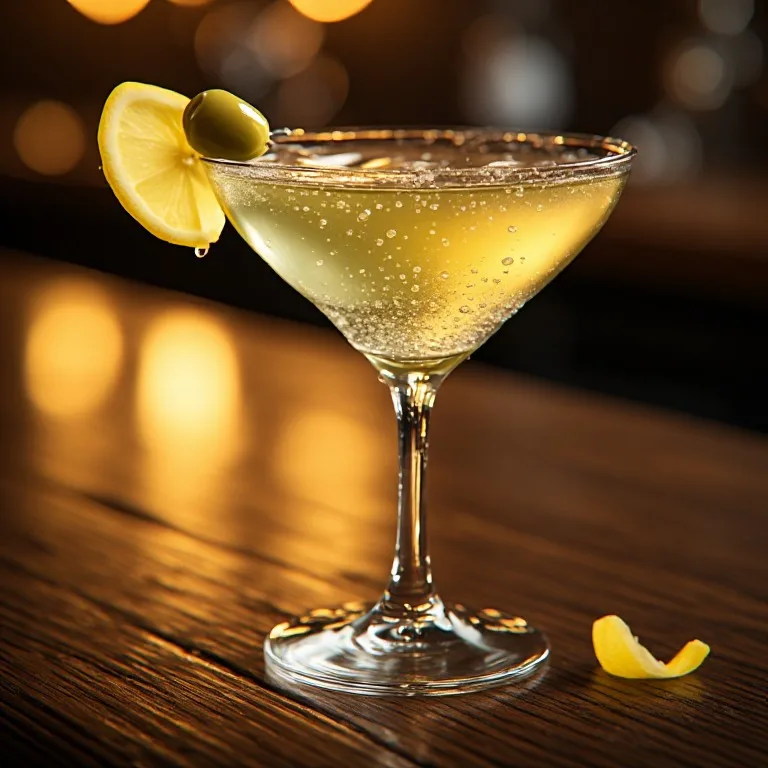
An olive oil martini sounds like a stunt until it is made correctly. The good version is clear, very cold and subtly savory. It smells fruity and peppery, but it does not leave a puddle of oil on the surface or coat your lips.
The trick is fat-washing. Vodka rests with good extra-virgin olive oil long enough to take on its aroma and round texture. Freezing and careful filtration then remove the oil itself. What remains behaves like vodka in a classic martini, only softer and more fragrant.
The Real Drink Behind the Trend
There is no single official viral Olive Oil Martini. The name describes a modern family of drinks that use different base spirits, aromatized wines and washing methods. Temple Bar in New York serves a well-known olive oil martini, stirred and finished with a few drops of olive oil and a fat olive. Imbibe published da Toscano’s Olive Branch, built with olive-oil-washed vodka, Cocchi Americano, saline and a Parmesan-stuffed olive.
Restaurant menus confirm that it is more than an internet thought experiment; olive-oil-washed vodka and gin martinis now turn up on cocktail lists nationwide, typically priced in the high teens. Those drinks are related, but none proves an original inventor or universal ratio. This recipe uses their common structure: clean spirit, dry fortified wine, salt and citrus oil.
Why Typical Versions Fail
The most common shortcut is pouring olive oil directly into a normal martini. Oil floats, warms quickly and smothers the brighter lemon and vermouth aromas. A couple of tiny finishing drops can be attractive. A teaspoon is a salad dressing problem.
Incomplete filtration creates the same greasy result. Removing the visible frozen cap is only the first step. Small droplets remain suspended in the vodka and may turn it hazy as it warms. A damp coffee filter catches them. Do not squeeze the filter, which pushes oil back through.
Finally, choose an oil you enjoy tasting. Very bitter oil can dominate a delicate vermouth, while stale oil makes the whole batch smell waxy. A fresh, fruity extra-virgin oil with gentle pepper is the safest starting point.
The Key Technique: Wash, Freeze, Filter
Combine 3 ounces of olive oil with a 750 ml bottle of vodka in a roomy freezer-safe jar. Four hours of contact is enough for a clear olive note without using days of prep. Shake the jar occasionally, but let the mixture settle before freezing.
Once the oil is firm, remove as much as possible with a spoon. Pour the vodka through a fine strainer and then a damp coffee filter. The process is slow, and that is useful. A clean batch should look like the original vodka, not vinaigrette. Freeze and filter it again if you see floating beads.
The finished washed vodka can make about ten martinis after normal filtering loss. Keep it cold and labeled, and discard it if it ever develops a stale or rancid aroma.
Stir for Texture, Not Theater
Stir the vodka, vermouth and saline over plenty of hard ice for 25 to 30 seconds. Shaking is not wrong, but it adds bubbles and small ice shards that hide the silky texture you spent hours building. A frozen glass buys extra time before the drink warms.
Saline replaces olive brine here. Brine would make a delicious dirty variation, but it can overpower the washed oil and move the recipe into a different category. Four drops sharpen the flavors without announcing salt.
Express a lemon twist at the end. Its fresh oil lifts the heavier olive aroma, and one mild Castelvetrano olive reinforces the theme without adding much brine.
Batch Eight for a Dinner Party
Combine 20 oz (600 ml) washed vodka, 4 oz (120 ml) dry vermouth, 1 1/2 oz (45 ml) chilled water and 32 drops saline in a sealed bottle. Refrigerate for at least 4 hours. This added water approximates part of the dilution normally supplied by stirring.
Pour about 3 1/4 oz (97 ml) into each frozen glass. Express a fresh lemon twist over every serving rather than storing citrus peel in the batch, where the pith can turn bitter. Keep the bottle on ice between rounds.
The Olive Grove Mocktail
Water-based zero-proof spirits do not fat-wash like vodka, and many freeze solid. The better approach is to rebuild the flavor directly. A 0.0% gin alternative provides herbs and juniper, an alcohol-free dry aperitif gives gentle bitterness, and white verjus contributes wine-like acidity.
Two drops of olive oil on the finished mocktail are enough to deliver the aroma. Saline connects the savory notes, while lemon keeps the drink bright. Check both bottle labels if complete alcohol avoidance matters because some products sold as nonalcoholic can contain trace alcohol.
The Olive Oil Martini succeeds when it tastes like a polished martini first and an experiment second. Use fresh oil, filter patiently and keep the garnish restrained.
See more viral drinks and modern favorites ->