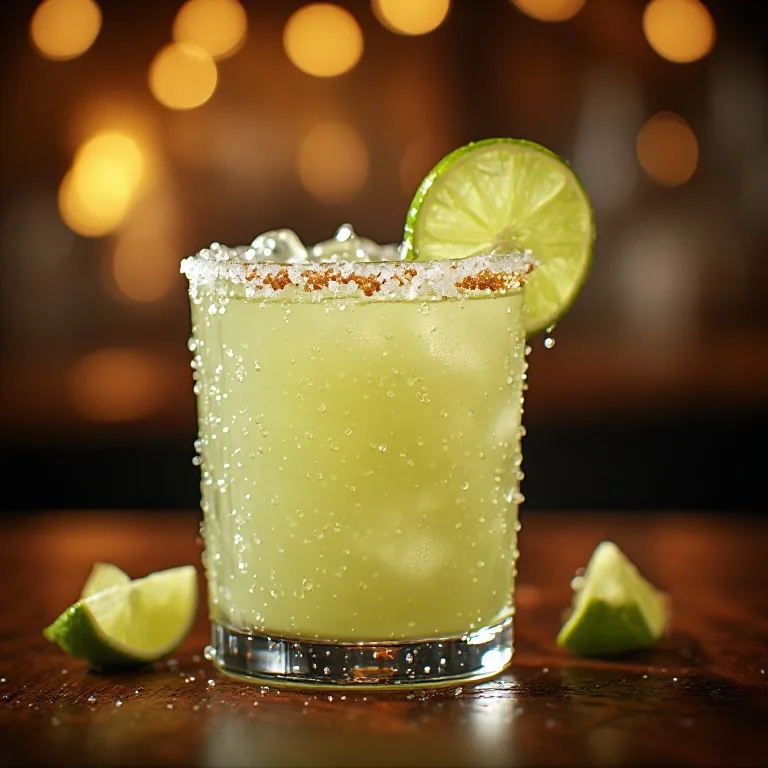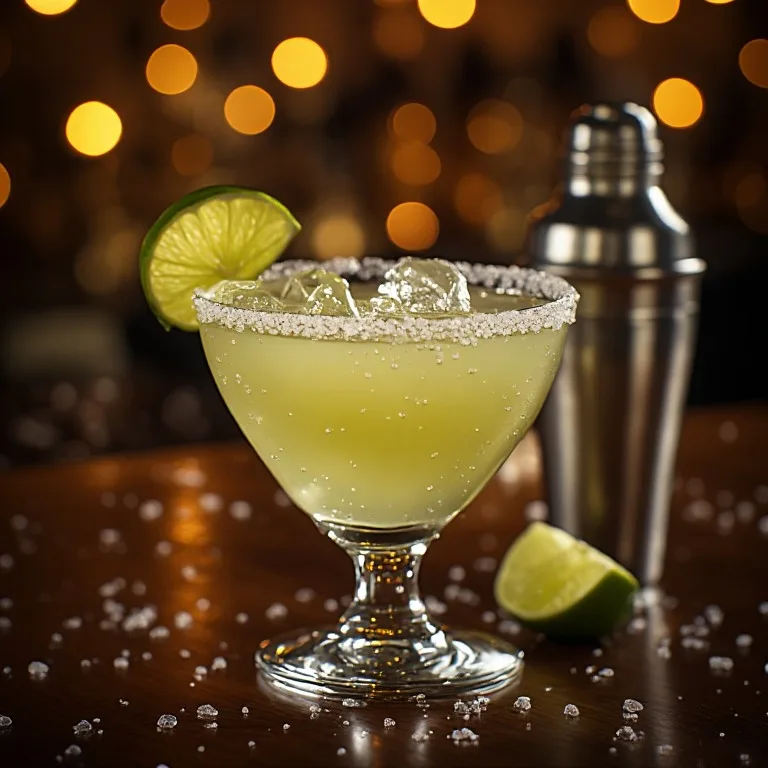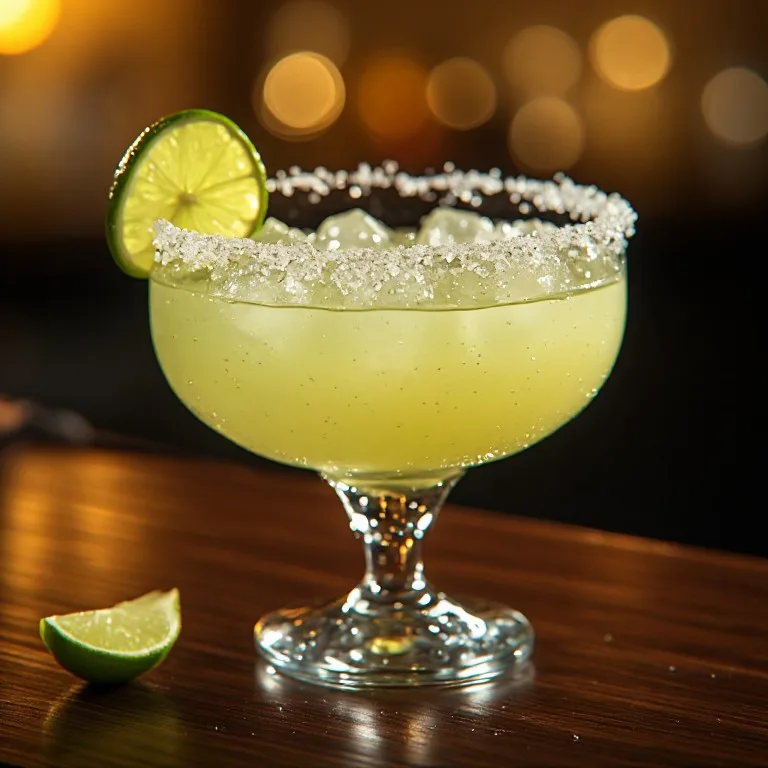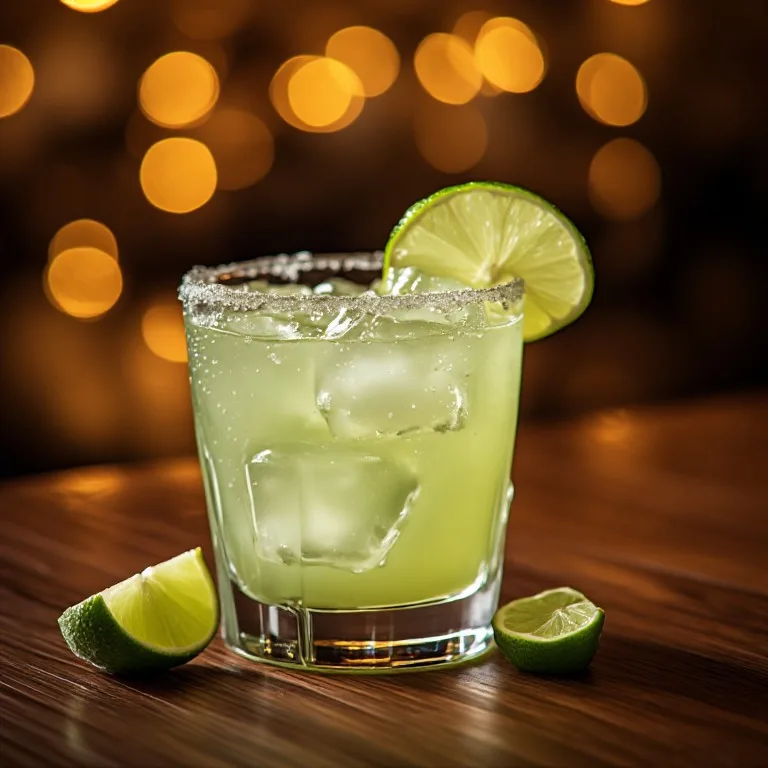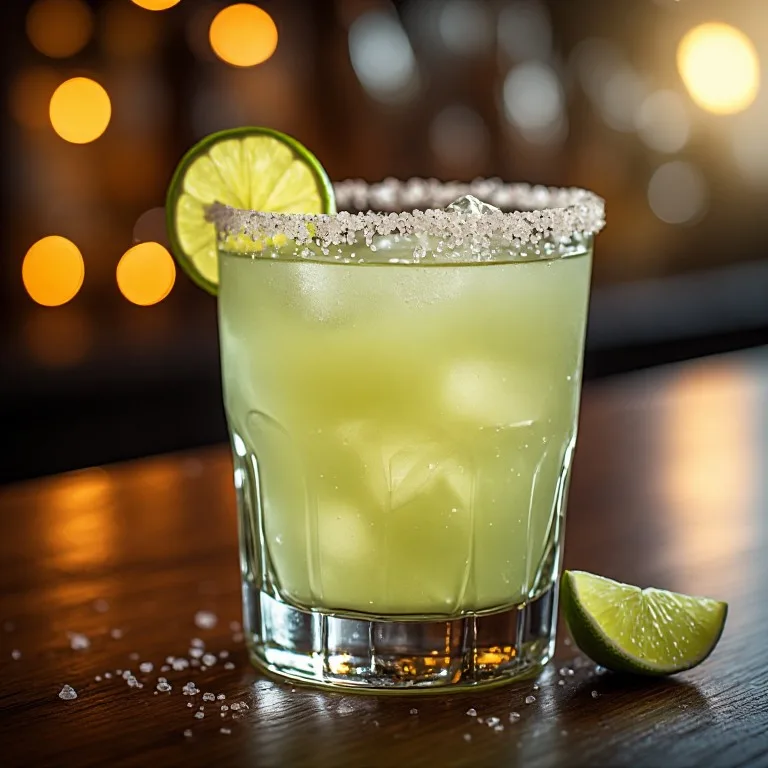
Yard House is better known for a wall of draft handles than for one destination cocktail, which makes its House Margarita easy to overlook. The current drink is the useful kind of chain-restaurant standard: blanco tequila, orange liqueur, the restaurant’s citrus-agave mixture, lime and a salt rim. There is no fruit purée, smoke bubble or premium-liqueur float to hide the basic structure.
The chain still lists the House Margarita as of October 2026. One official location menu showed it at $12.29 and 220 calories, while a July 2026 Addison, Texas snapshot listed it at $10.99. Prices and tequila brands vary by restaurant. Yard House does not publish the ounces or the formula for its citrus-agave mix, so this is a measured copycat, not an official leaked recipe.
What Yard House Actually Serves
Official and archived menu descriptions agree on five points: blanco tequila, orange liqueur, citrus agave, lime and salt. Older Yard House PDFs named Chavo Malo tequila blanco. More recent accessible location listings name either Chavo Malo or Mi Campo, which suggests purchasing or regional differences rather than a single bottle that defines the drink.
That is why the home version calls for a dependable 100% agave blanco. The restaurant’s 220-calorie listing also supports a moderately sweet build, not the lean tequila-lime-orange formula used at many cocktail bars. A half-ounce of agave syrup brings this recipe close to that style while keeping fresh citrus in front.
Why Typical Copycats Fail
The first mistake is using bottled sour mix and then adding more sweetener. That combination can turn a simple margarita into lemon-lime candy. Fresh lime supplies the main acidity here, while a quarter-ounce of lemon rounds it into the broader “citrus” flavor Yard House names on its menu.
The second mistake is pouring too much orange liqueur. It should connect tequila to citrus, not make the drink taste like orange candy. Half an ounce is enough beside a one-and-a-half-ounce tequila base.
Finally, a full heavy salt crust can overwhelm every sip. Rim only half the glass. Guests can choose salt, no salt or alternate between them as the drink changes over ice.
The Key Technique: Dissolve Before You Shake
Agave syrup is dense, especially when cold. Add it to the citrus juices first and stir for a few seconds before tequila, liqueur and ice go into the shaker. This small step prevents a sticky layer at the bottom and gives every sip the same balance.
Shake with solid ice for about 12 seconds, then strain over fresh ice. The shake contributes roughly three-quarters of an ounce of water, which is part of the recipe. Skipping that dilution makes the tequila feel hot and the citrus unusually sharp.
Make a Pitcher for Eight
Combine 12 oz (360 ml) blanco tequila, 4 oz (120 ml) orange liqueur, 6 oz (180 ml) lime juice, 2 oz (60 ml) lemon juice and 4 oz (120 ml) agave syrup. Stir thoroughly and refrigerate for no more than four hours so the citrus stays bright.
Shake 3 1/2 oz (105 ml) of the cold batch with ice for each serving. Strain over new ice in a half-salt-rimmed glass. Individual shaking supplies the right dilution and keeps the pitcher from becoming watery before guests arrive.
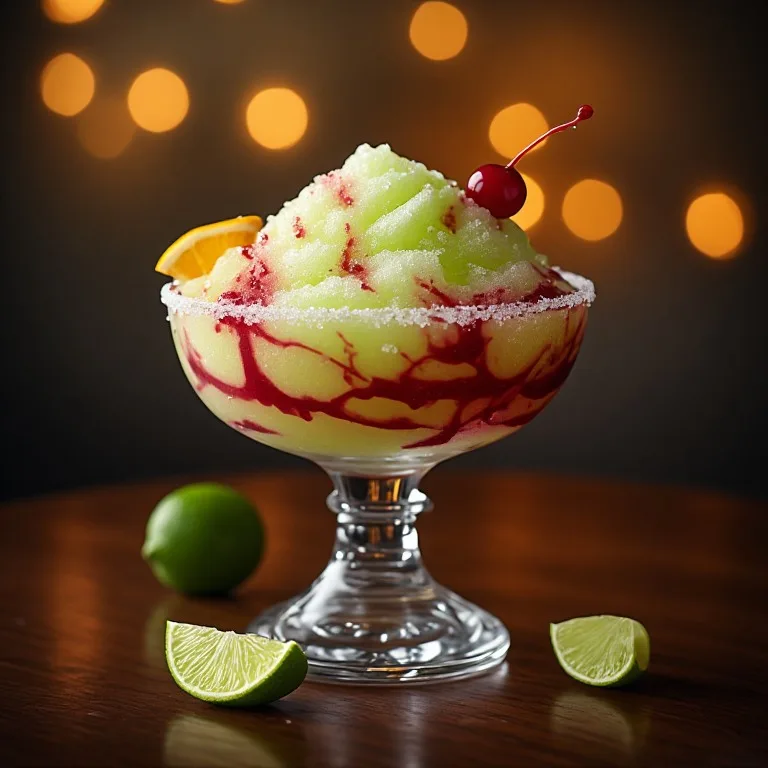
For a frozen version, blend one serving with about 1 cup of ice and an extra quarter-ounce of agave syrup. Frozen drinks register as less sweet, so that small adjustment prevents a thin, aggressively tart result.
The Buzz-Free House Margarita
Use a bottle explicitly labeled 0.0% as the base. Agave-style zero-proof spirits bring green pepper, mineral and cooked-agave notes, but they usually lack the weight of tequila. Two ounces gives the mocktail enough presence.
Fresh orange juice and a strip of orange zest replace the liqueur’s sweet citrus aroma. Shake the zest in the tin, then double-strain so no bitter pieces reach the glass. The same half salt rim matters here because it sharpens the agave and lime flavors, making the mocktail taste composed rather than merely alcohol-free.