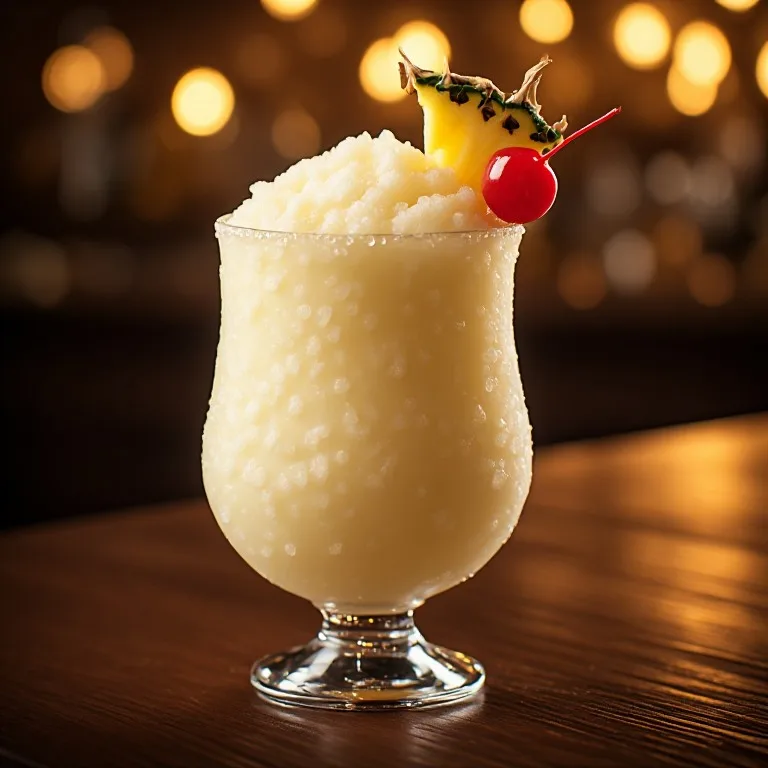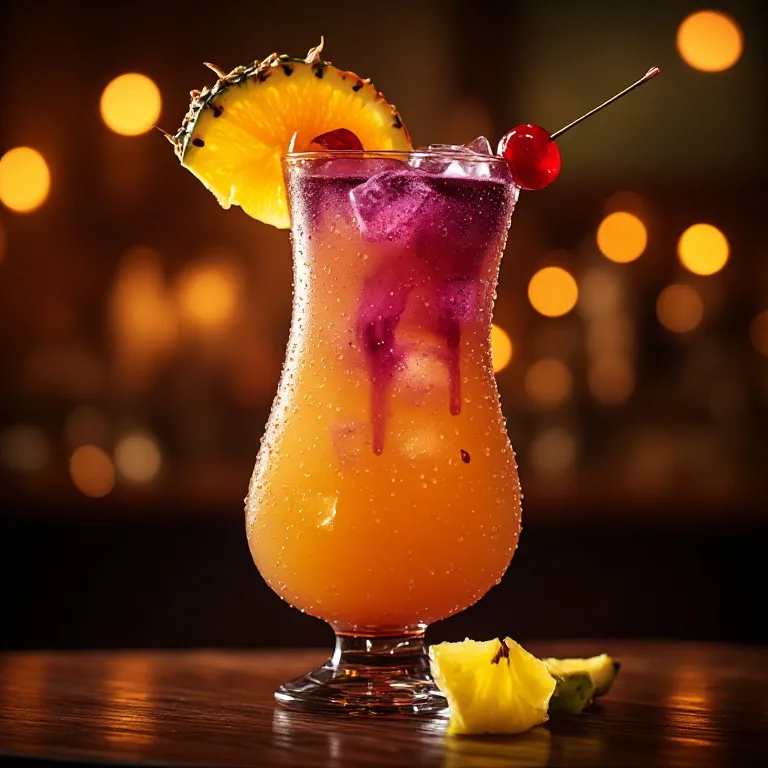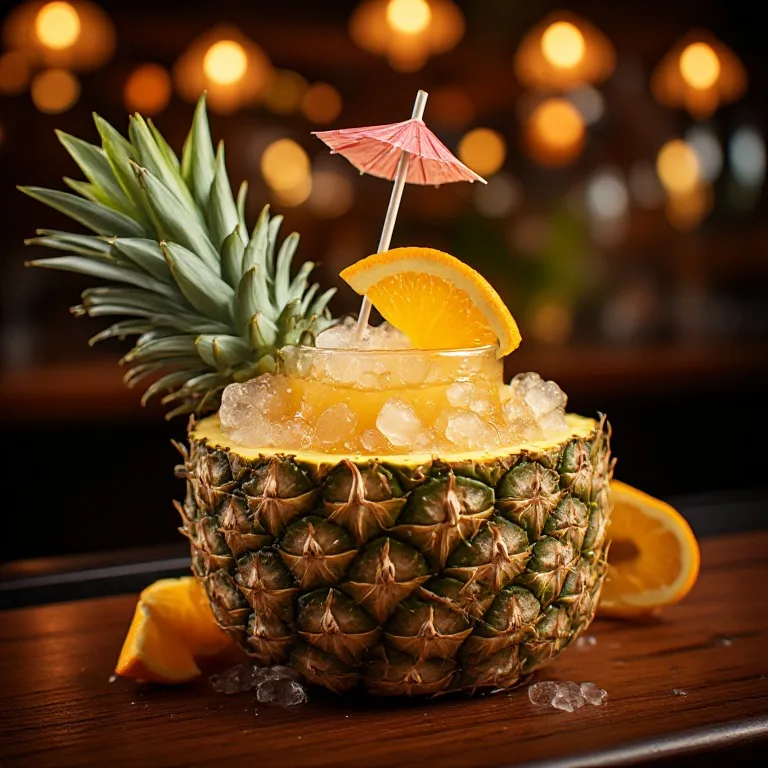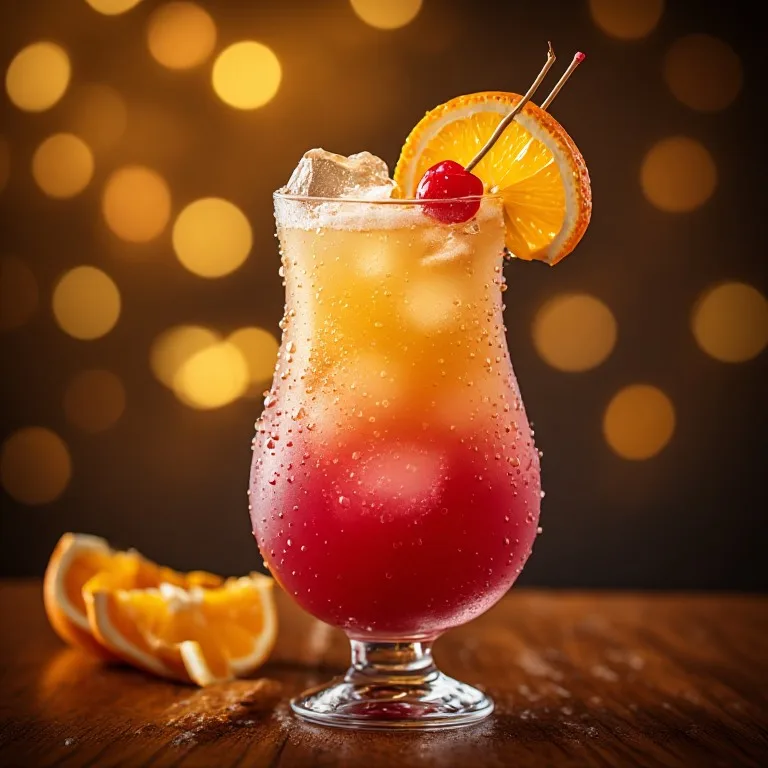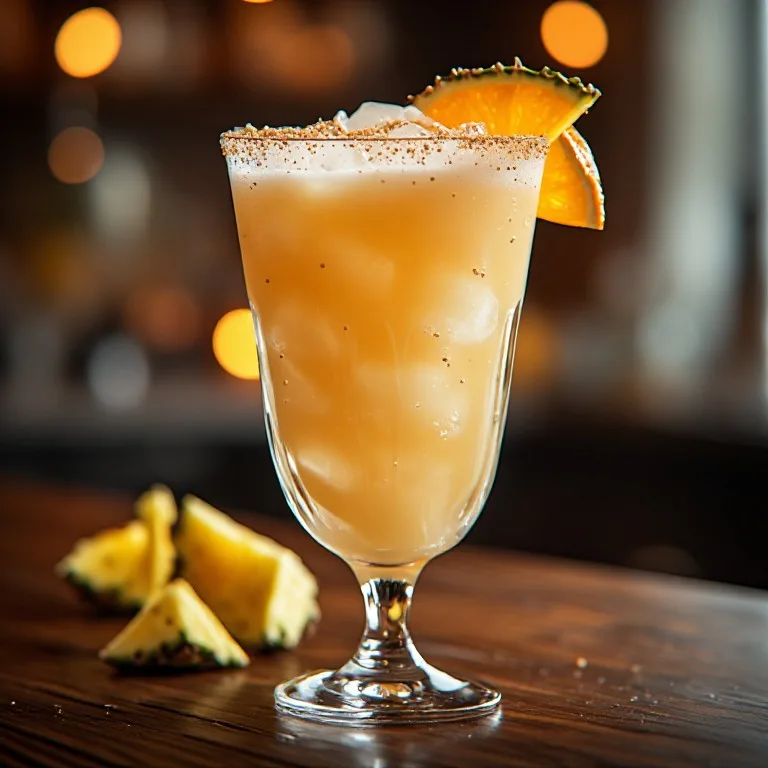
Bahama Breeze built much of its bar identity around recognizable Caribbean drinks, and the Painkiller was one of the clearest examples. Its menu described Pusser’s dark rum with cream of coconut, pineapple and orange juices, finished with freshly ground nutmeg. The restaurant even credited the Soggy Dollar Bar in the British Virgin Islands.
The chain did not publish its exact ounces. This recipe therefore is not labeled an official restaurant formula. It uses the established Painkiller proportion that fits Bahama Breeze’s description. The full two-ounce home pour is richer than the restaurant serving listed at 290 calories, which suggests Bahama Breeze used smaller unpublished proportions.
Is Bahama Breeze Still Serving It?
At the time of writing, the honest answer is: only at a shrinking number of locations, and not for long. Darden announced in February 2026 that half of the remaining Bahama Breeze restaurants would close permanently and the other half would convert to other Darden brands over the next 12 to 18 months. Darden did not publicly specify which brands would take over the converted sites. Conversions were scheduled into 2027.
Recent menu listings still show the Painkiller at surviving restaurants, but availability depends on which locations remain open and whether their menus have changed before conversion. Check the official location page or call before traveling. This recipe is increasingly a way to preserve a restaurant favorite at home.
The Drink Before the Chain
Bahama Breeze did not invent the Painkiller. The drink is associated with the Soggy Dollar Bar on Jost Van Dyke, where guests historically reached the beach by boat and swam ashore, leaving their cash wet. It is generally credited to bar owner Daphne Henderson in the 1970s.
Later, Pusser’s founder Charles Tobias worked to reproduce the drink and the rum company registered the Painkiller name as a US trademark. Retellings differ on the exact year and on how Tobias determined the proportions, so those details should be treated as bar lore rather than settled fact.
The enduring formula is two to four parts dark rum, four parts pineapple juice, one part orange juice and one part cream of coconut, shaken and covered with nutmeg. Bahama Breeze specifically named Pusser’s dark rum, making two ounces the sensible home starting point.
Why Typical Copycats Fail
Confusing cream of coconut with coconut cream is the most common error. Cream of coconut is a thick, sweetened cocktail mixer. Coconut cream is usually unsweetened. Substituting one for the other without adding sugar changes both texture and balance.
Weak shaking is the next problem. Pineapple juice makes a beautiful foam when shaken hard, while cream of coconut needs force to disperse. A short stir leaves greasy flecks and a flat-looking drink. Give it a full 12 to 15 seconds with plenty of ice.
Finally, pre-ground nutmeg misses the point. The garnish is part of the drink’s first aroma. Freshly grate only a light layer so it smells warm and spicy without leaving a dusty mouthful.
The Key Technique: Smooth the Coconut First
Cream of coconut separates in the can or squeeze bottle. Stir it thoroughly before measuring, especially after refrigeration. If it is too stiff to pour, stand the sealed container in warm water for five minutes, then stir again. Do not microwave it in a metal can.
Shake with cold juices and solid ice. Straining over fresh ice gives a polished result, but an open pour is perfectly suited to a relaxed tropical drink. Either way, grate nutmeg only after the foam settles on top.
Batch a Pitcher for Eight
Combine 16 oz (480 ml) dark rum, 32 oz (960 ml) pineapple juice, 8 oz (240 ml) orange juice and 8 oz (240 ml) cream of coconut. Whisk until completely smooth and refrigerate for up to four hours. Pineapple loses freshness and the coconut can separate if held much longer.
For each drink, shake 8 oz (240 ml) of the batch with ice and pour it into an ice-filled glass. Do not shake the entire pitcher unless you have an unusually large sealed container. Individual shaking creates the foam, controls dilution and keeps the service cold.
The Island Pain-Free Cooler
A 0.0% dark rum alternative is the most direct swap because its vanilla, caramel and spice notes sit naturally under pineapple and coconut. If you do not keep one, strong chilled black tea supplies tannin and prevents the mocktail from tasting like straight juice. Add one drop of alcohol-free vanilla extract to the tea if it needs more roundness.
Use the same vigorous shake and fresh nutmeg finish. If complete alcohol avoidance matters, choose a bottle explicitly marked 0.0% and check any flavoring labels. The finished mocktail should still be creamy, tropical and aromatic rather than feeling like an incomplete cocktail.