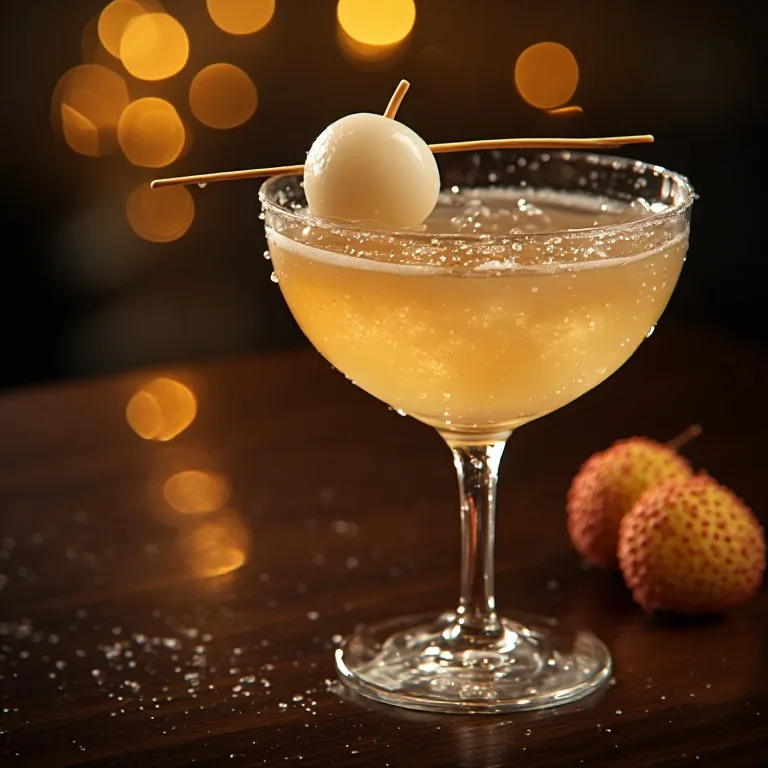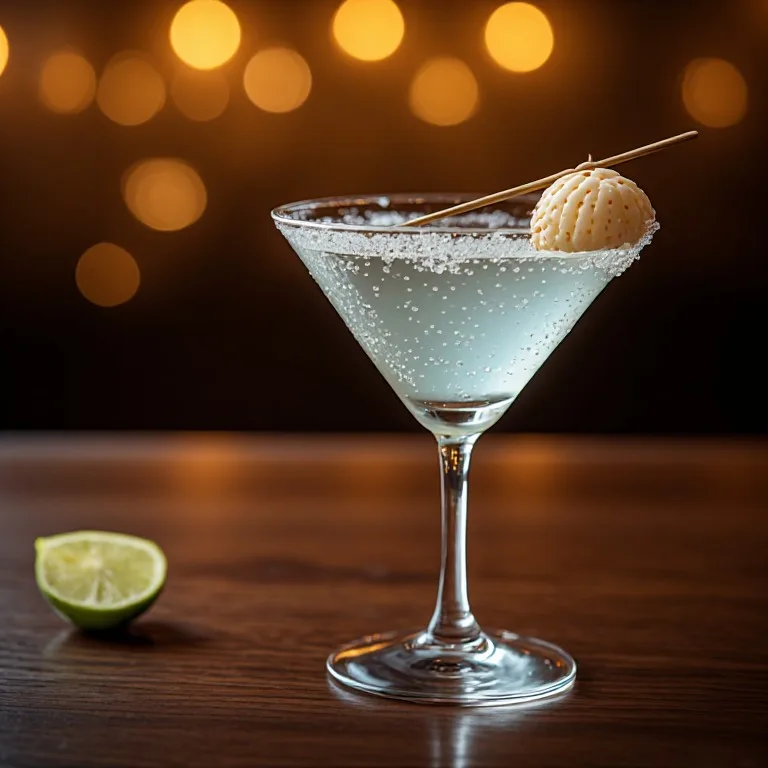
P.F. Chang’s Lychee Martini is a short, cold vodka drink that should taste like the fruit and then get out of the way. The current menu names Tito’s Handmade Vodka, lychee, pure cane and lime. That is a tight list. There is no pineapple, no berry liqueur and no cream. Most bad copies add one of those and call it an upgrade.
A Lucky Cat Martini is the drink people sometimes expect to find here. It is not on the beverage menu reviewed in November 2026, and a company recipe for it did not turn up. The martini the chain is actually selling is the lychee one, including inside an $8.99 cocktail collection. This is that drink, measured at home because the restaurant does not print the ounces.
What P.F. Chang’s Actually Serves
The November 2026 beverage menu puts the Lychee Martini in the martini section beside a Matcha Martini, a Cherry Blossom Martini, a Lemon Drop, a Lunar Elixir and an Espresso Martini. The lychee line is specific about the vodka brand and unusually plain about everything else: lychee, pure cane, lime. The $8.99 collection uses the same sentence and has called the drink part of a value set. Outside that offer, cocktail prices at P.F. Chang’s move with the city. A national food menu is not a national bar price.
No calorie figure for this martini showed up in the nutrition sheets checked alongside the menu. Do not treat the 230 calories on this page as a restaurant number. They are the rough energy in 2 oz of 80-proof vodka plus about an ounce of sweet lychee syrup and a splash of cane syrup.
Lychee at a chain bar almost always means syrup from canned fruit. Fresh lychees are seasonal and hard to portion, and the menu’s separate “pure cane” item says the fruit is not the only sweetener. The Cherry Blossom Martini is a different drink: gin, elderflower, strawberry, lychee, pineapple and lemon. If the glass looks pink and busy, it may be that one. The Lychee Martini should stay pale.
Why Typical Lychee Martinis Miss
The common recipe uses 2 oz of vodka and then a full ounce of a lychee liqueur on top of canned syrup. That stacks two sweets and pushes the lime out. P.F. Chang’s does not name a lychee liqueur. Adding one makes a pleasant cocktail and a poor copy.
The next miss is dropping the cane syrup because the can is already sweet. The menu lists pure cane on purpose. A quarter ounce is not a dessert pour. It rounds the vodka. If your syrup tastes like jam, you can cut the cane to a barspoon. Do not cut the lime. Three-quarters of an ounce is what keeps the drink from sitting on the tongue.
Shaking too gently is the third miss. This is 2 oz of spirit and less than 2 oz of modifiers. A short stir leaves it hot and syrupy. Twelve seconds with a full tin of ice adds the water the recipe assumes. Fine-strain after that, or the glass looks cloudy and the last sip is ice melt.
Garnish with one lychee, not three. Extra fruit leaks syrup into a drink you already balanced.
The Key Technique: Syrup, Lime, Then a Hard Chill
Open the can and strain the syrup before you measure. Fruit pieces in the jigger make the ounce look larger than it is. Taste the syrup. Brands packed in heavy syrup are louder than fruit packed in pear juice. If it tastes thin, keep the ¼ oz cane syrup. If it tastes like candy, leave the cane out for that can only, and write it on the recipe card so the next can does not confuse you.
Use large, cold cubes and shake 12 seconds. Small wet ice dilutes the drink before it is cold enough. Double-strain into a glass that is already cold.
Lime juice should be fresh and strained. Bottled lime is sharper in a way that fights lychee and makes people add more sugar. If the only lime you have is bottled, use ½ oz and taste before you commit the cane.
For New Year’s Eve, this is a cleaner toast than a creamy martini. It is still 1.3 standard drinks. The floral smell is not a sign that the vodka left.
Eight Martinis Without Eight Cans of Trouble
For 8 drinks, stir 16 oz (480 ml) Tito’s, 8 oz (240 ml) strained lychee syrup, 2 oz (60 ml) cane syrup and 6 oz (180 ml) fresh lime juice in a bottle. Refrigerate it. Use it the same day. Lime juice browns and flattens by the next afternoon.
Shake each drink. Measure 4 oz (120 ml) of the cold mix into a shaker with ice, shake 12 seconds and double-strain. That shake is the dilution. If you batch water in ahead of time, about ¾ oz per drink, you can stir individual portions with ice instead, but you will taste the difference. Shaking is the better match.
Keep the garnish lychees in their syrup in a small bowl over ice, and lift them out with a fork so you are not fishing with your fingers during a party. One fruit per glass. The rest of the can’s fruit can go into the mocktail pitcher, chopped, if you are serving both.
The Zero-Proof Lychee Martini
White grape juice is the simplest body for this drink. It is pale, a little tart and closer to a neutral spirit than pineapple juice, which would turn the mocktail into the Lucky Cat rumor. Use 2 oz of grape juice, the same ounce of lychee syrup and the same ¾ oz of lime. Leave the cane syrup out. Grape juice already brings sugar.
Shake and fine-strain as you would the original. The mocktail is about 110 calories. If you would rather not use juice, 2 oz of a 0.0% vodka alternative plus the ¼ oz cane syrup from the cocktail recipe is the drier path. Choose a product labeled 0.0% when someone at the table is avoiding alcohol entirely. Some drinks sold as non-alcoholic still contain a trace.
Serve it in the same cold glass, with the same single lychee. The point of the copy is the fruit and the lime, not the proof.
See more P.F. Chang’s copycat drinks →