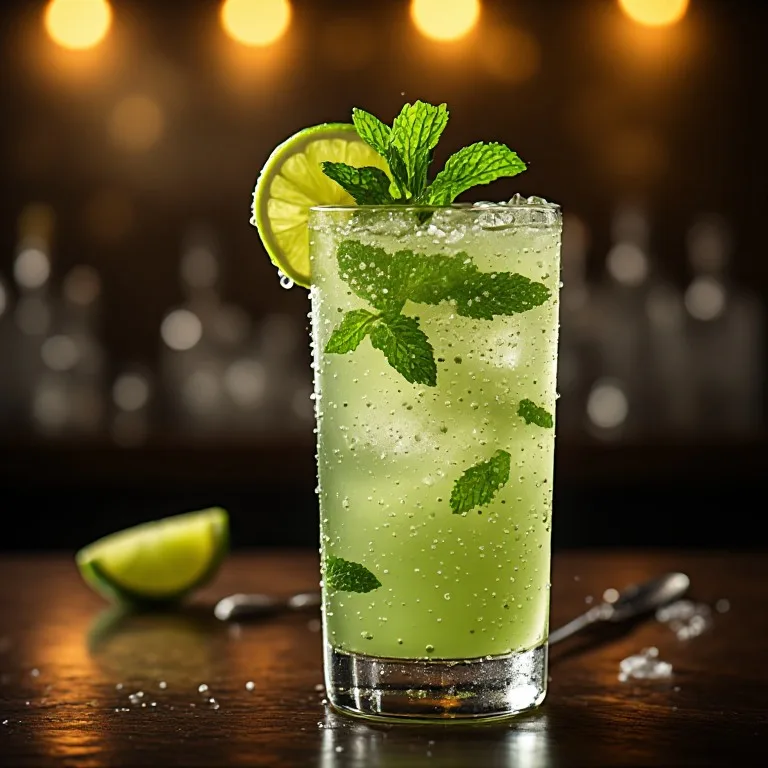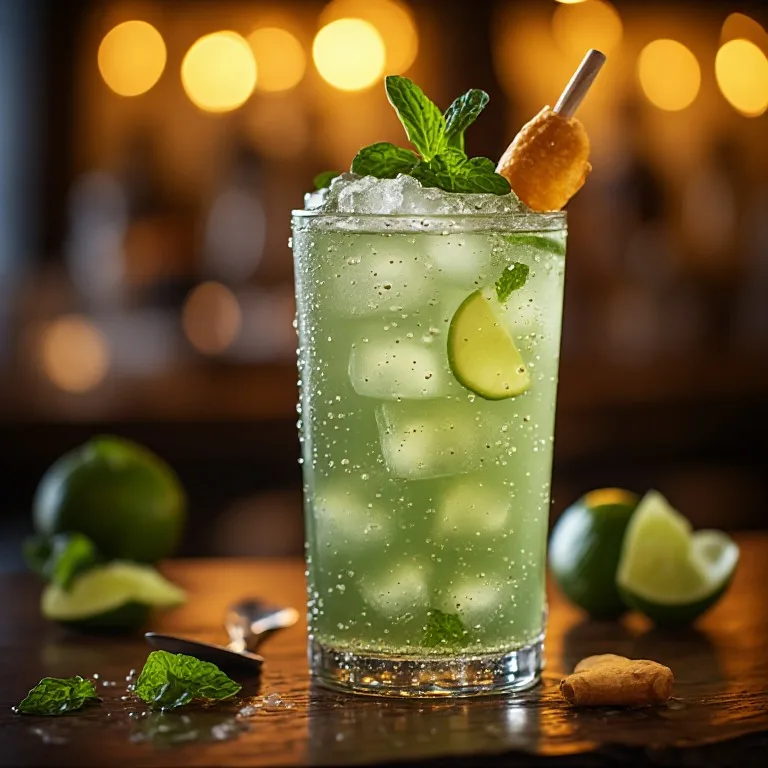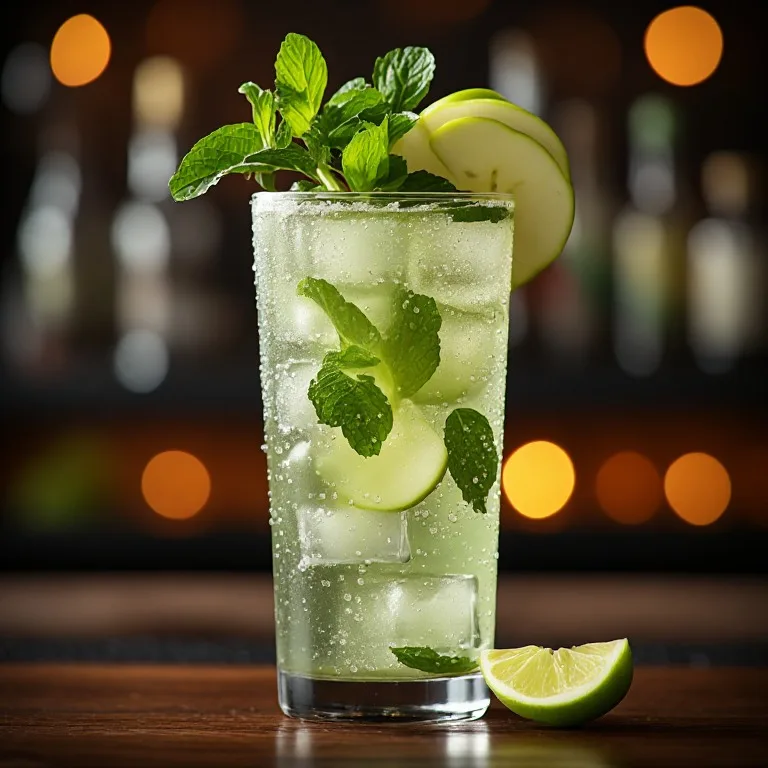
P.F. Chang’s Asian Pear Mojito has a small identity puzzle built into its name. The current national menu describes Bacardí Superior rum, apple liqueur, lime and mint. It does not disclose pear juice, pear purée or pear liqueur. The flavor can still suggest crisp Asian pear, but the ingredient doing that work is apple liqueur.
The drink is genuinely current as of October 2026. P.F. Chang’s warns that alcoholic selections and prices vary by restaurant, and it does not give the drink one national price. Exact ounces are also unpublished, so this is a reasoned copycat built from the confirmed components, not an official restaurant formula.
What P.F. Chang’s Actually Serves
The chain’s U.S. beverage page lists four ingredients: Bacardí Superior, apple liqueur, lime and mint. That compact description is useful, but it leaves open whether the bar uses lime juice or muddled wedges, how it sweetens the drink and whether it lengthens the cocktail with soda.
The Asian Pear Mojito has been associated with P.F. Chang’s for years. A Denver dining report described a 2007 version made with Bacardí Limón, DeKuyper Apple Pucker, pineapple juice and mint. A 2011 restaurant-industry report also named it among the chain’s signature happy-hour cocktails. Those older details establish longevity, not the current recipe. This version therefore omits pineapple and uses the plain white rum named today.
Why Typical Copycats Fail
The first mistake is adding so much pear nectar that the drink becomes thick. Whatever the reason for the name, the current restaurant description points toward bright apple liqueur rather than a glass of pear juice. A half-ounce of sour apple liqueur gives the recognizable green-fruit note without burying rum and mint.
The second problem is aggressive muddling. Mint stems and torn leaves release bitter, grassy flavors. Clap the leaves once to open their aroma, then let the brief shake do the rest. Fine-straining keeps green debris out of the glass.
Finally, bottled sweet-and-sour mix makes apple liqueur taste like candy. Fresh lime supplies a clean edge. Simple syrup should support the mint and citrus, not announce itself.
The Key Technique: Keep the Mint Aromatic
Mint tastes best when its oils reach your nose before the liquid reaches your palate. Use healthy leaves, clap them lightly and shake for only 10 seconds. Do not mash them into the bottom of the tin.
Strain over new ice, then add chilled soda. One gentle lift with a bar spoon distributes the bubbles while preserving carbonation. Slap the garnish sprig against the back of your hand before placing it beside the apple fan. That garnish contributes more fresh mint aroma than leaves floating throughout the drink.
Make a Pitcher for Eight
Combine 12 oz (360 ml) white rum, 4 oz (120 ml) sour apple liqueur, 6 oz (180 ml) fresh lime juice and 4 oz (120 ml) simple syrup. Refrigerate the sealed batch for no more than four hours so the lime stays fresh.
For each serving, clap eight mint leaves into a shaker, add 3 1/4 oz (97 ml) of batch and shake with ice. Fine-strain over fresh ice, then top with 1 1/2 oz (45 ml) soda water. Adding mint and soda per glass prevents a bruised, flat pitcher.
The Asian Orchard Mojito Mocktail
The mocktail uses apple juice because apple is what P.F. Chang’s actually discloses. A quarter-ounce of pear nectar gives the name a literal nod without making the drink pulpy. Choose a cane-style alternative explicitly labeled 0.0% if complete alcohol avoidance matters.
The same mint rules apply. Clap rather than crush the leaves, shake briefly and fine-strain. Fresh lime and soda stop the fruit juices from reading like a lunch-box drink, while the mint bouquet makes the first impression recognizably mojito-like.