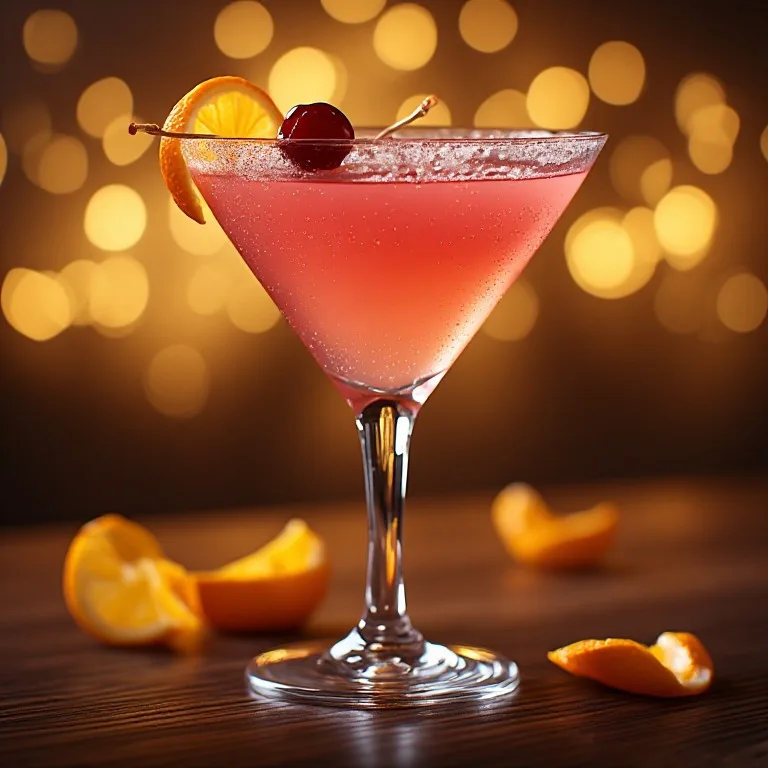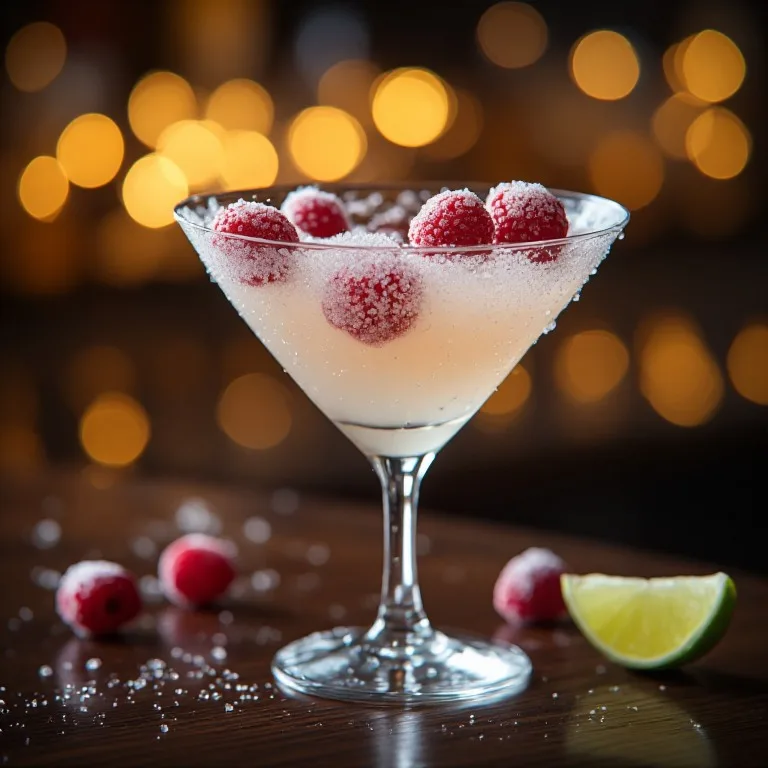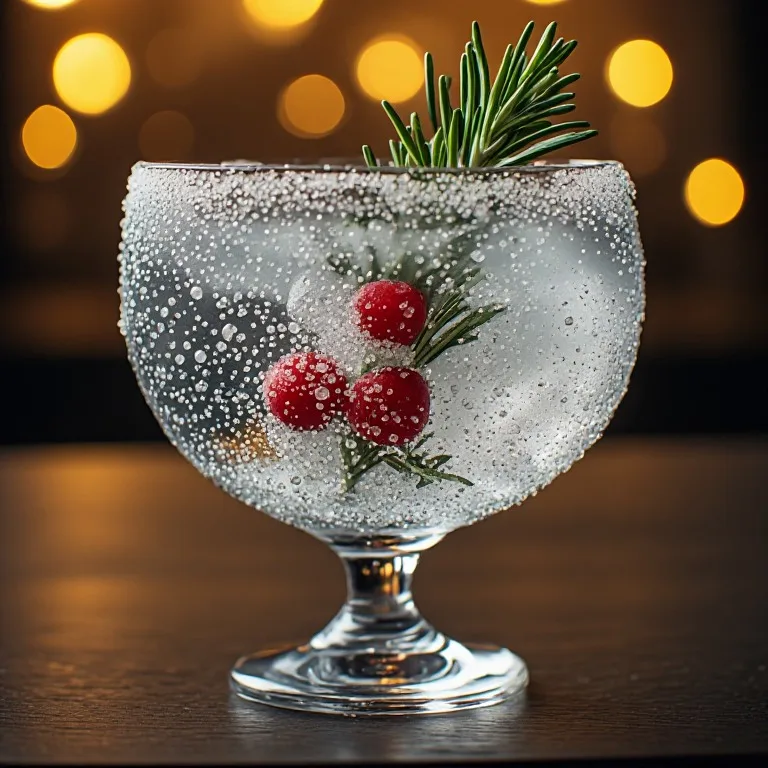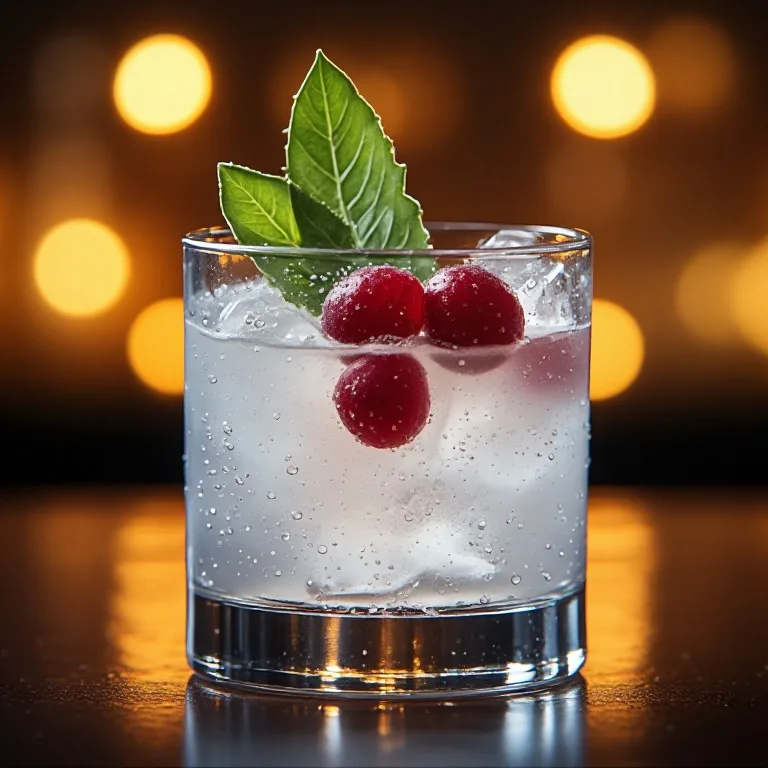
Seasons 52’s Cranberry and Sage is a winter gin sour in unusually pale colors. White cranberry juice brings gentle berry flavor without turning the drink ruby red, while fresh sage adds an earthy aroma that fits Thanksgiving and Christmas without relying on baking spice.
The drink is a genuine Seasons 52 seasonal cocktail, and the chain has published a recipe for it. What it has not published is a precise, current spec: there is no reliable official gin brand or exact set of pours. This recipe captures the stable structure — gin, white cranberry, lime and sage — while being honest about what Seasons 52 leaves unstated.
What Seasons 52 Actually Serves
Seasons 52’s published recipe points to the same core every version shares: gin, white cranberry juice, fresh lime, fresh sage and a touch of simple syrup, finished with cranberries and a sage leaf. The restaurant groups the drink with its seasonal cocktails made from spirits, herbs, fruit and juice.
What stays fuzzy is the brand and the exact measurements. Copycat recipe writers have reported that Seasons 52 uses Prairie Organic Gin, but that is a secondhand account rather than a corporate recipe card. No reliable public source fixes a single gin brand, a national menu price or an official calorie count — a figure of about 180 calories circulates through third-party nutrition databases, not Seasons 52 itself. The sensible takeaway is that the drink’s identity lives in its ingredients, not in any one published spec.
A recipe writer who says the restaurant supplied its formula reported equal two-ounce measures of gin and white cranberry per serving, with muddled sage, lime and simple syrup. That is helpful evidence of the proportions, even though it is not a current corporate recipe.
Why Typical Copycats Miss
Red cranberry juice changes both the appearance and flavor. It can make a good drink, but it will be tarter, darker and less like the pale restaurant cocktail. White cranberry juice is made from earlier-harvested berries and tastes milder, so lime can provide clean acidity without fighting heavy tannin.
Sage needs restraint. Vigorous muddling tears the leaf and extracts bitter, grassy flavors. Two or three gentle presses are enough to perfume the syrup. Fine-straining then keeps green flecks out of the glass.
The final mistake is hiding the gin. Two ounces may sound assertive, but white cranberry and dilution soften it considerably. Reducing the gin while keeping the same juice creates a sweet cooler rather than the botanical seasonal cocktail Seasons 52 serves.
The Key Technique: Muddle, Then Fine-Strain
Put the sage in the shaker with simple syrup before adding ice. The syrup captures its aromatic oils and cushions the leaves under the muddler. Press just until the kitchen smells like sage, then stop. Shredded leaves do not mean more controlled flavor.
Add the remaining ingredients and shake hard for 12 to 15 seconds. Fine-strain over fresh ice through both a Hawthorne strainer and a small mesh strainer. The second strain matters here: tiny sage fragments continue releasing bitter flavor and make an otherwise polished drink look murky.
Gin choice is flexible. A floral, cucumber-forward gin such as Hendrick’s leans into the drink’s garden character, while a balanced London dry makes it more juniper-forward. Either suits the white cranberry and sage.
Batch Eight for the Holiday Table
First make sage syrup: warm 1/2 cup water and 1/2 cup sugar until clear, remove from heat, add 8 sage leaves and steep for 8 minutes before straining and chilling. This gives a cleaner batch than leaving muddled herbs in a pitcher.
Combine 16 oz (480 ml) gin, 16 oz (480 ml) white cranberry juice, 4 oz (120 ml) fresh lime juice and 2 oz (60 ml) sage syrup. Refrigerate for no more than four hours. Shake 4 3/4 oz (142 ml) per serving with ice, fine-strain over fresh ice and garnish to order. Do not steep sage in the completed batch; its flavor grows stronger as it sits.
The Cranberry Sage Garden Mocktail
A 0.0% gin-style spirit is the most direct substitute because juniper and herbs are central to this drink. White cranberry keeps the correct gentle fruit character, and a short tonic finish supplies dryness and a little bitterness without dominating the sage.
Use a bottle explicitly labeled 0.0% if complete alcohol avoidance matters. Ordinary tonic is nonalcoholic, but regular cocktail bitters are not included here because most contain alcohol. The result stays pale, botanical and recognizably related to the restaurant cocktail.
See more Seasons 52 copycat drinks →