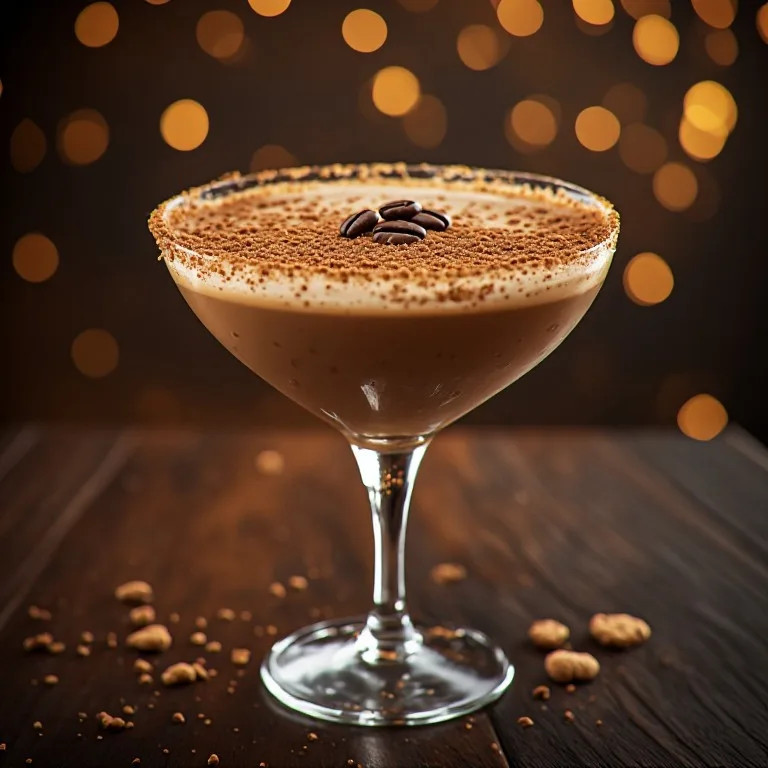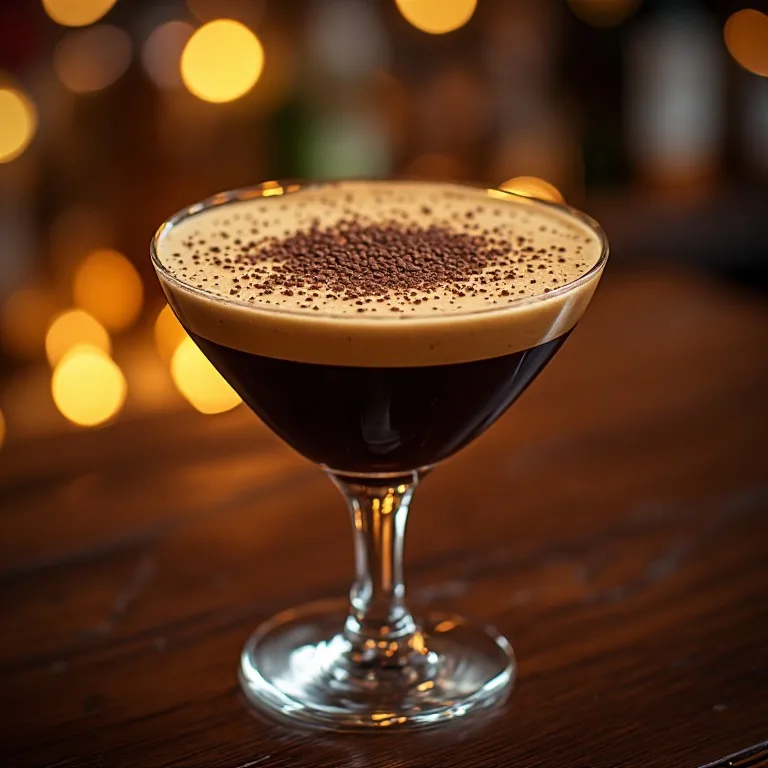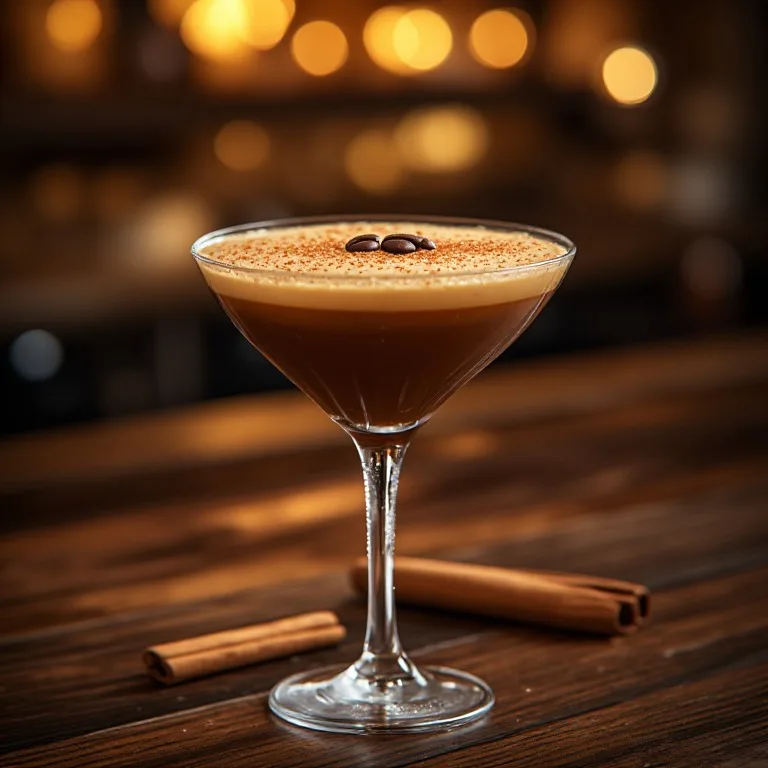
The Pumpkin Spice Espresso Martini is exactly what its name promises: the dark, foamy structure of an espresso martini with the cinnamon, ginger, nutmeg and clove aroma associated with fall coffee drinks. It is sweet enough to feel celebratory without needing cream, whipped topping or a cookie-covered rim.
This is not a cocktail with one bar of origin. It is a seasonal mashup that circulates through brand recipes, bar menus and social videos every autumn. Kahlúa currently publishes a clear four-part formula, which gives this copycat a better foundation than trying to reverse-engineer whichever video happens to be trending this week.
What the Viral Drink Actually Is
Most versions share four ingredients: vodka, coffee liqueur, espresso and a pumpkin spice sweetener. Kahlúa’s published recipe calls for 1 oz each of Kahlúa, Absolut vodka and espresso, plus 1/2 oz pumpkin spice syrup. It recommends Monin syrup, although any balanced commercial or homemade version works.
That formula contains pumpkin spice syrup, which may or may not contain actual pumpkin. The flavor people recognize comes mainly from warm baking spices against coffee, vanilla and sugar. Recipes made with pumpkin purée are real variations, but they are thicker, harder to strain and more likely to mute the espresso foam.
There is no confirmed inventor or debut date for this specific variation. The safest description is a recurring fall format that joins the modern espresso-martini revival with pumpkin-spice coffee culture. It appears most often from September through November and fits a Thanksgiving gathering especially well.
Why Typical Copycats Fail
The first problem is too much syrup. Coffee liqueur already supplies sugar, so a full ounce of pumpkin syrup can make the drink taste like melted coffee-shop topping. Half an ounce gives the spices room to register without burying the espresso.
The second is shaking hot coffee. Fresh espresso is excellent for foam, but pouring it directly from the machine onto ice causes rapid melting before the shaker is sealed. Let it cool to room temperature first. Ten minutes on the counter or a few minutes in the refrigerator is enough.
Loose spice can also ruin the texture. A heavy spoonful in the shaker produces grit and breaks up the clean foam. Put the spice flavor in a smooth syrup, then dust only a tiny amount across the finished surface for aroma.
The Key Technique: Shake for Fine Foam
Use plenty of firm, dry ice and leave enough empty space in the shaker for the liquid to travel. A hard 15-to-20-second shake aerates the espresso’s dissolved oils and gases, creating the tight tan foam that distinguishes the drink from boozy iced coffee.
Double-strain immediately into a freezer-cold coupe. The fine strainer catches shattered ice and spice sediment, while the main strainer holds back the cubes. Pour steadily so the foam follows the liquid into the glass instead of staying in the tin.
Three coffee beans are the classic visual shorthand for an espresso martini. The spice dusting should be barely visible. Its job is to reach the nose on the first sip, not cover the drink like cocoa on a dessert.
Batch It for Thanksgiving
For eight drinks, combine 8 oz (240 ml) vodka, 8 oz (240 ml) Kahlúa and 4 oz (120 ml) pumpkin spice syrup in a sealed bottle and refrigerate for up to two days. Brew the espresso shortly before serving, then cool it.
For each cocktail, shake 2 1/2 oz (75 ml) of the alcoholic batch with 1 oz (30 ml) espresso and ice. This serving-by-serving finish matters. Stirring everything in a pitcher saves time, but it cannot create espresso foam and the coffee loses aroma as it sits.
The Pumpkin Spice Espresso Marti-No
Removing vodka and Kahlúa leaves sweetened espresso without the bittersweet length of a cocktail. A 0.0% coffee spirit fills that gap with roasted coffee, cacao and spice notes. Aquafaba gives the drink body and a durable foam without adding dairy flavor.
Dry-shake first so the aquafaba can expand before cold ice tightens the foam. Then shake again with ice and fine-strain. If strict alcohol avoidance matters, verify that the bottle says 0.0%, because products labeled nonalcoholic can still contain trace amounts.
Use decaf espresso for an evening version without the caffeine. The technique, spice aroma and presentation stay the same.
See more viral cocktail recipes →