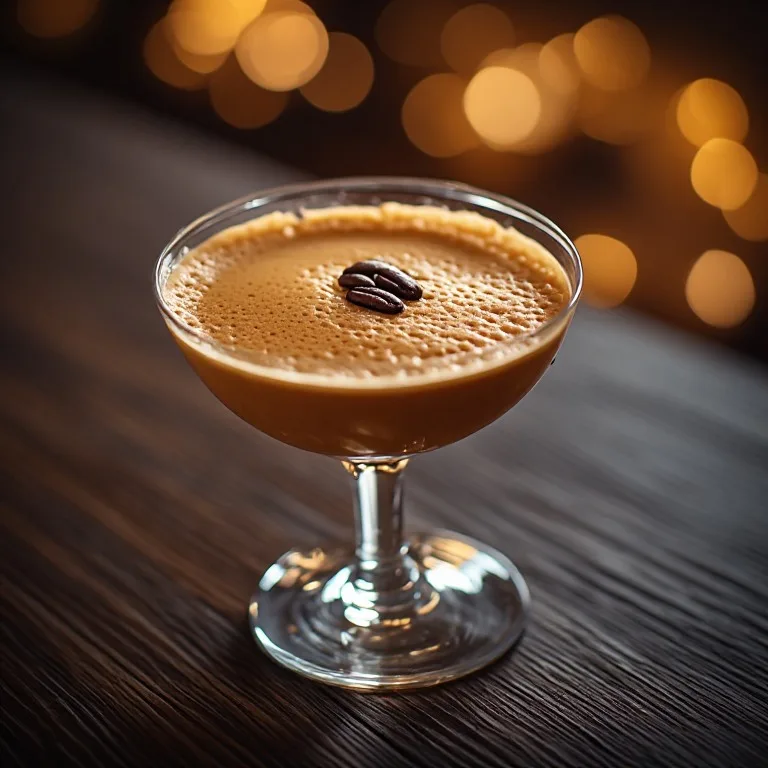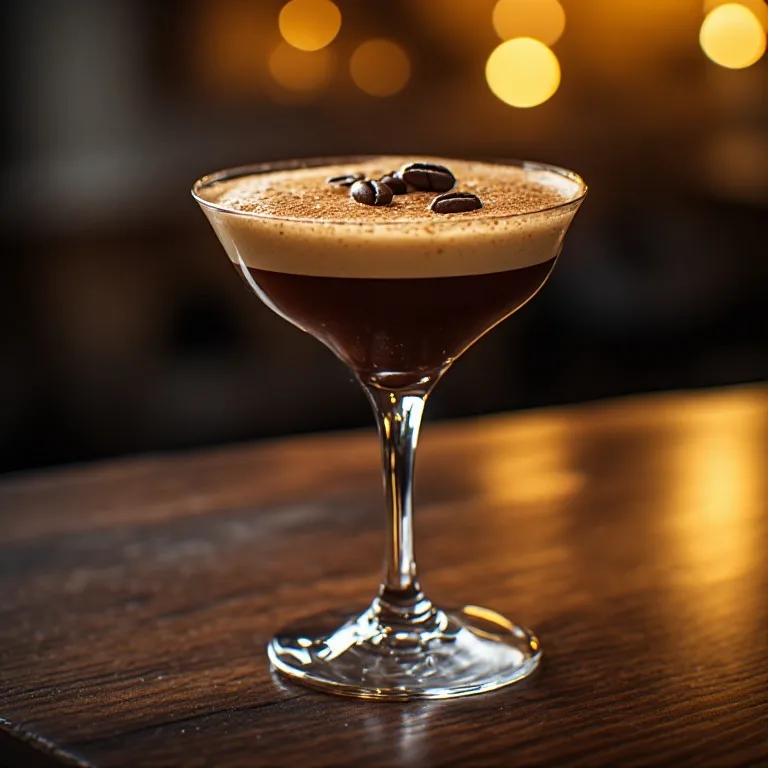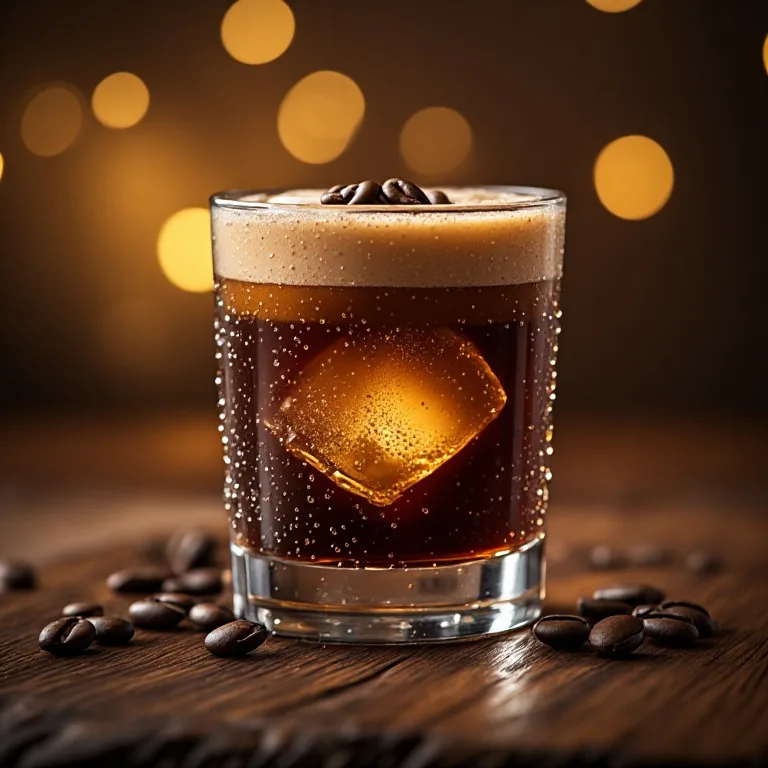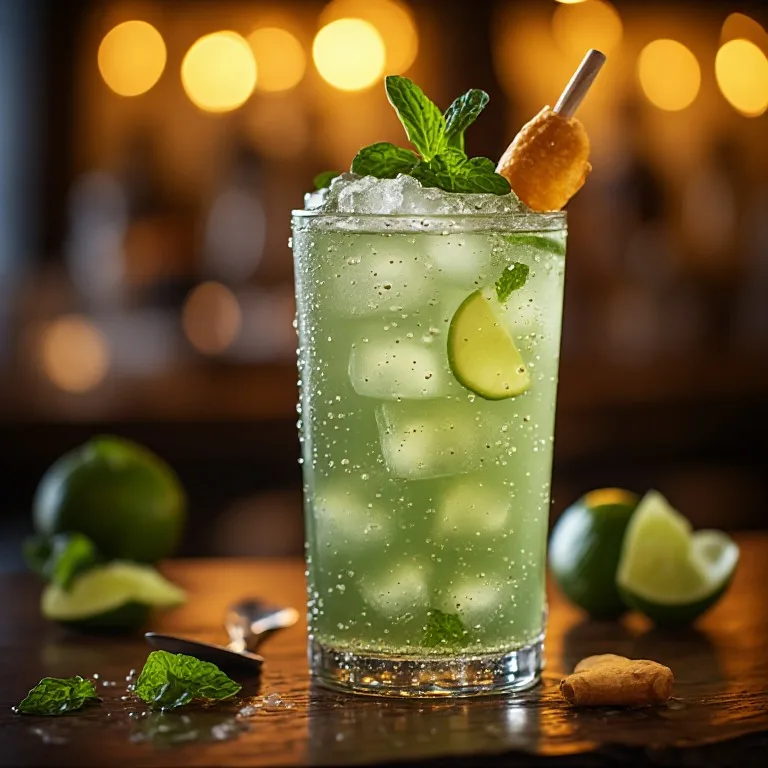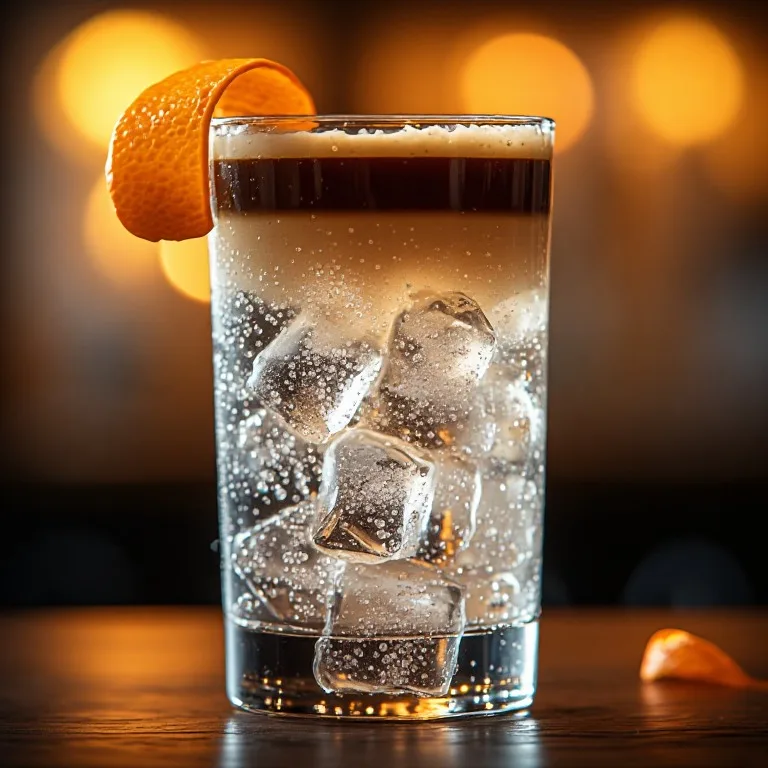
The Espresso Tonic looks like a drink designed for a phone camera: clear bubbles below, dark coffee above and a marbled foam line where they meet. Its appeal lasts beyond the first photo, though. Properly made, it is cold, dry and aromatic, with enough sweetness to keep the two bitter ingredients in balance.
The alcoholic version is best understood as a modern riff. The well-documented cafe drink contains no spirit. Adding gin turns it into a light highball without erasing the contrast that made the original popular.
What the Viral Drink Actually Is
Koppi Roasters credits the drink to an experiment after a staff party in Oslo in 2007. According to co-founder Anne Lunell, a colleague mixed leftover tonic water with syrup and espresso. Lunell and Charles Nystrand refined the combination when they opened Koppi in Helsingborg, Sweden, later that year, listing it as Kaffe & Tonic.
Koppi’s cafe closed in 2017, but the drink had already spread through specialty-coffee shops internationally. Espresso Tonic now describes the general combination of espresso and tonic over ice rather than a protected formula. It remains available at independent cafes, especially as a warm-weather special, although ingredients and prices vary by shop.
There is even less standardization around the spiked version. Published cocktail recipes add gin, vodka or whiskey, and some use cold brew instead of espresso. This gin formula is a balanced home interpretation, not a Koppi recipe and not a claim about one bar’s menu.
Why Typical Versions Taste Too Bitter
Coffee and tonic both bring bitterness. A dark, heavily roasted espresso can turn ashy beside quinine, while a very dry tonic can make bright coffee seem sour. Adding a large pour of gin creates a third sharp edge and buries the drink’s refreshing character.
The solution is not a flood of syrup. Start with a fruity light-to-medium roast, a tonic you enjoy on its own and a measured quarter-ounce of simple syrup. The sweetness should connect the ingredients, not make the drink taste like soda. London dry gin adds citrus, herbs and structure at 1½ ounces, keeping the finished highball near the strength of many beers.
The Key Technique: Control the Foam
Fresh espresso hitting carbonated tonic can produce a fast-rising cap. Fill the glass completely with ice and make sure the tonic is refrigerator-cold. Let the espresso settle for about a minute, then pour it slowly over the back of a spoon. Never shake tonic water.
This careful pour also creates the dramatic layer. Serve it that way, but tell guests to stir once before drinking. Otherwise the first sip is mostly concentrated espresso and the last is sweet gin and tonic. Orange oil expressed over the top reaches the nose before either bitter ingredient and makes the whole drink seem brighter.
Make a Brunch Round
For eight drinks, combine 12 oz gin with 2 oz simple syrup and refrigerate. Chill eight highball glasses and at least 24 oz tonic water. When it is time to serve, add 1¾ oz of the gin mixture to each ice-filled glass, top with 3 oz tonic and float a fresh double espresso over it.
Do not put espresso or tonic into the batch. Coffee aroma fades, tonic loses carbonation and the mixture can foam during storage. This is a drink to stage efficiently, not fully prepare ahead.
The Mocktail: Kaffe & Tonic
The mocktail is actually the starting point. Four ounces of tonic gives the zero-proof version enough length, while a quarter-ounce of syrup rounds off quinine and coffee acidity. No nonalcoholic gin is necessary, although a half-ounce can add a botanical note if you already have one.
Use decaf espresso for an evening drink. It still layers and carries the same roasted aroma. Whether spiked or zero-proof, serve the glass immediately while the tonic is lively and the coffee crema is fresh.
See more viral drinks and modern favorites →