Tujague’s sits at 429 Decatur Street in the French Quarter, a few blocks from the Mississippi, and it has served food and drinks in that neighborhood since 1856. It is one of the oldest restaurants in the United States, and its bar has a reputation that has outlasted several owners, one relocation and more than a century of cocktail trends.
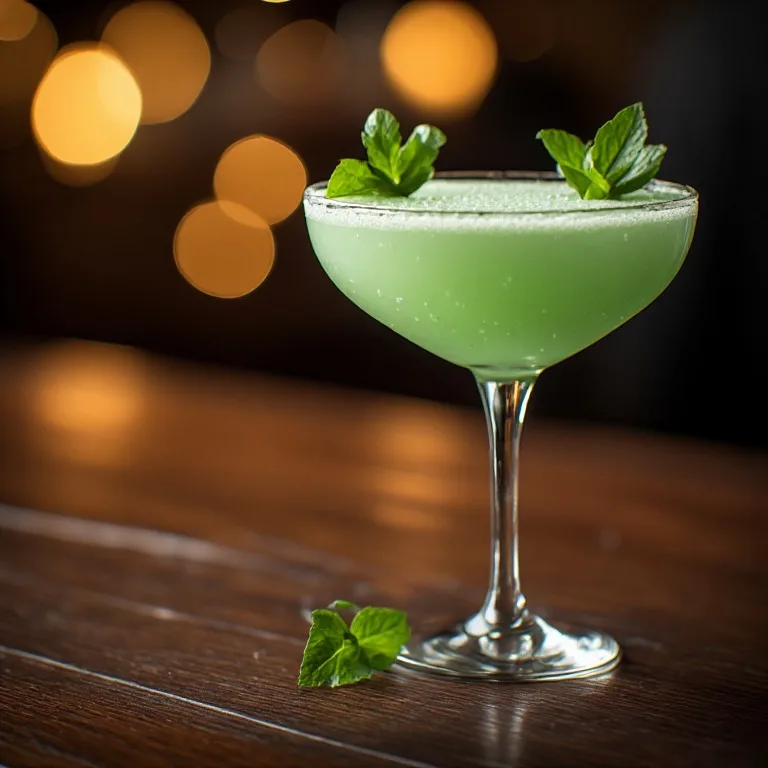
The Grasshopper is the bar’s most famous drink. It is not complicated — equal parts green crème de menthe, white crème de cacao and heavy cream, shaken and strained into a coupe — but it is the drink most visitors come to order.
What Tujague’s Serves
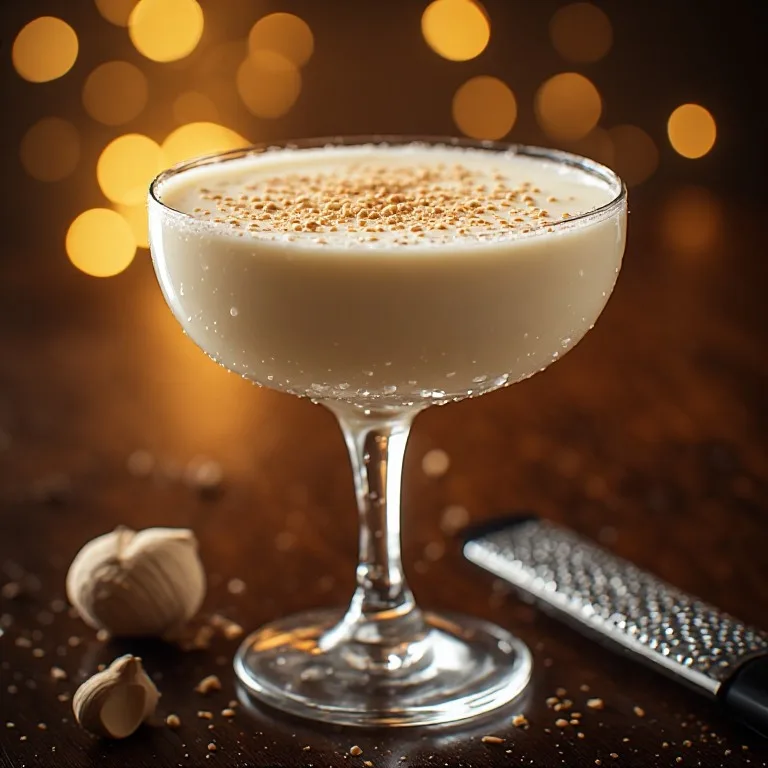
The Grasshopper appears on Tujague’s current cocktail menu. The restaurant does not publish its exact house measurements, but the equal-parts formula is the documented classic and what every professional reference source names. The drink arrives a pale mint green in a chilled coupe, nothing on top unless you ask for a mint leaf.
The restaurant celebrated its 170th anniversary in 2026, and the Grasshopper has featured on the bar menu for well over a century. Pricing is not published nationally; expect figures in line with comparable French Quarter cocktail bars.
The Origin Story (With Caveats)
The standard account credits Philibert Guichet, a former owner of Tujague’s, with entering the Grasshopper in a New York cocktail competition around 1918 and placing second. That story comes from family tradition and was documented through interviews with food historian Poppy Tooker, who researched Tujague’s history for a cookbook. Tooker said she heard it from Guichet’s grandson but found no contemporaneous written record.
A competing narrative places the Grasshopper’s commercial rise in the 1950s and 1960s, particularly in Wisconsin supper clubs, where it became enormously popular as a blended milkshake. That version — crème de menthe, crème de cacao and vanilla ice cream — may have spread the drink far more widely than any New York competition could have.
Tujague’s claim to the original shaken-and-strained version is plausible and long-established. It is not airtight historical documentation. Write it as the most credible origin story available rather than settled fact.
Why Typical Copies Miss
The most common mistake is using a bottom-shelf crème de menthe. Cheap versions rely on artificial color and synthetic peppermint that sits harshly on the palate. A quality brand — Tempus Fugit, Giffard or Bols — uses real mint oil and tastes distinctly cooler and cleaner.
The second problem is the crème de cacao color. White and brown crème de cacao taste identical, but reaching for the brown bottle turns the finished drink an unappetizing olive color. The recipe needs white (clear) crème de cacao to maintain the characteristic pale green.
Third: not shaking hard enough. The cream needs vigorous agitation to emulsify slightly and create the drink’s characteristic light body. A lazy shake leaves the cream tasting flat on top of the liqueurs rather than integrating with them.
The Key Technique: Cold Glass, Hard Shake, No Ice in the Glass
Freeze the coupe before you start. A warm glass heats the drink in seconds and kills the effect of the shake.
Add all three ingredients to the shaker before the ice. Fill it with hard ice and shake hard for a full 15 seconds. You should feel the shaker go very cold. The cream will froth slightly; that is what you want.
Fine-strain immediately into the frozen coupe. The drink has no garnish in its classic presentation. If you want something, one small mint leaf at the rim is enough — the visual is the drink itself.
Batch Eight for the Holidays
For eight servings, combine 8 oz (240 ml) green crème de menthe, 8 oz (240 ml) white crème de cacao and 8 oz (240 ml) heavy cream in a covered pitcher. Refrigerate below 40°F (4°C). Whisk or shake the pitcher before service to re-integrate the cream.
Shake individual 3½-oz servings with ice. The batch will keep refrigerated for up to 24 hours; the cream begins to separate and lose freshness after that. Do not leave a dairy batch at room temperature for more than two hours.
The Garden District Grasshopper
The zero-proof version replaces both liqueurs with fresh syrups. Mint simple syrup — made by steeping 10 fresh mint leaves in warm 1:1 syrup for 15 minutes — brings the mint flavor without the sharp herbal edge of peppermint extract. Cocoa syrup (unsweetened cocoa powder whisked into warm simple syrup until smooth) handles the chocolate note. The heavy cream stays unchanged.
The result is a mint-chocolate cream cocktail that lands close in texture and sweetness to the original. It lacks the clean cooling quality that alcohol carries, but it is a genuinely good drink in its own right, particularly after a heavy holiday meal.
A Grasshopper is a dessert in a glass. At Tujague’s, ordering one after a meal is the point. The bar has been making the same three-ingredient drink for over a century, and that simplicity means there is no place to hide — quality of ingredients and quality of technique are everything.